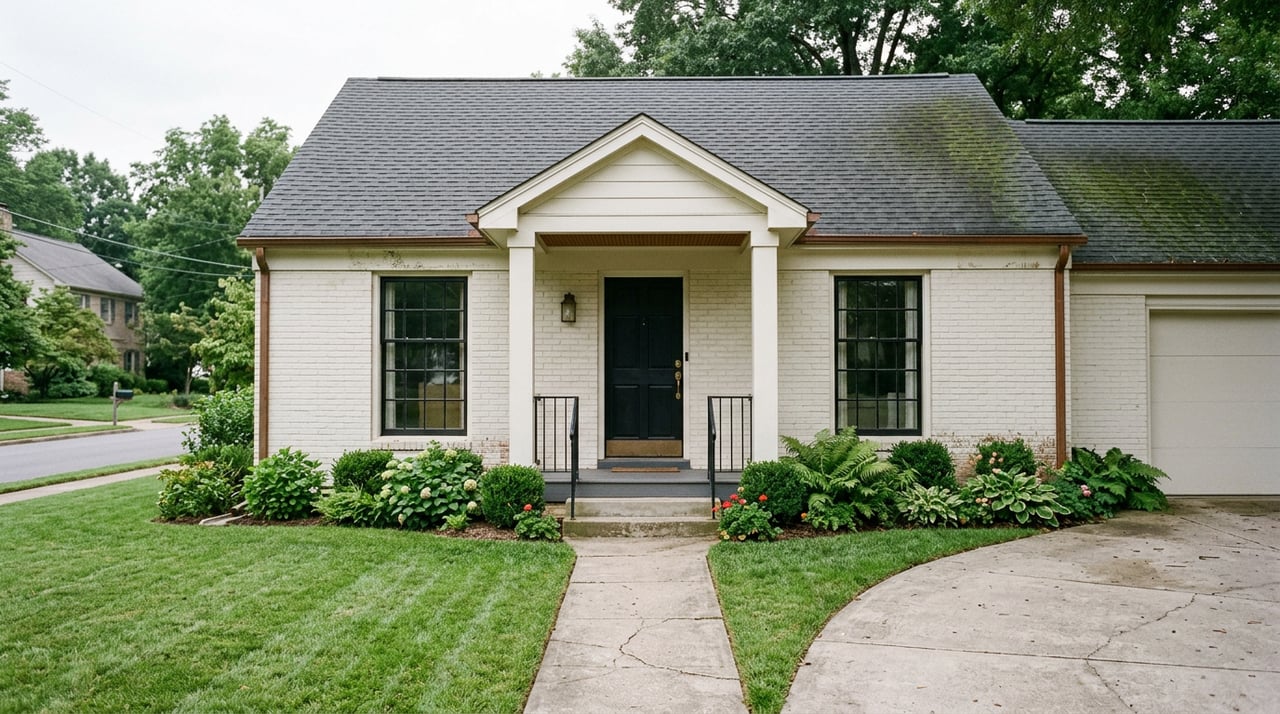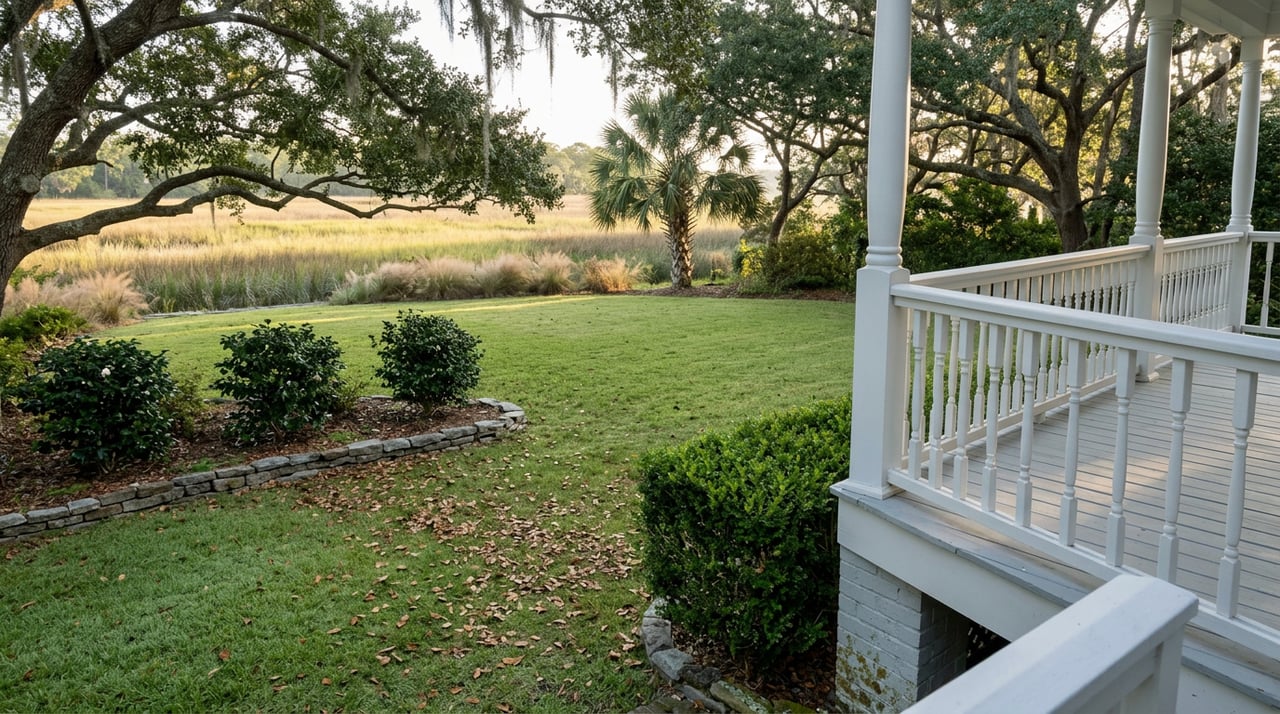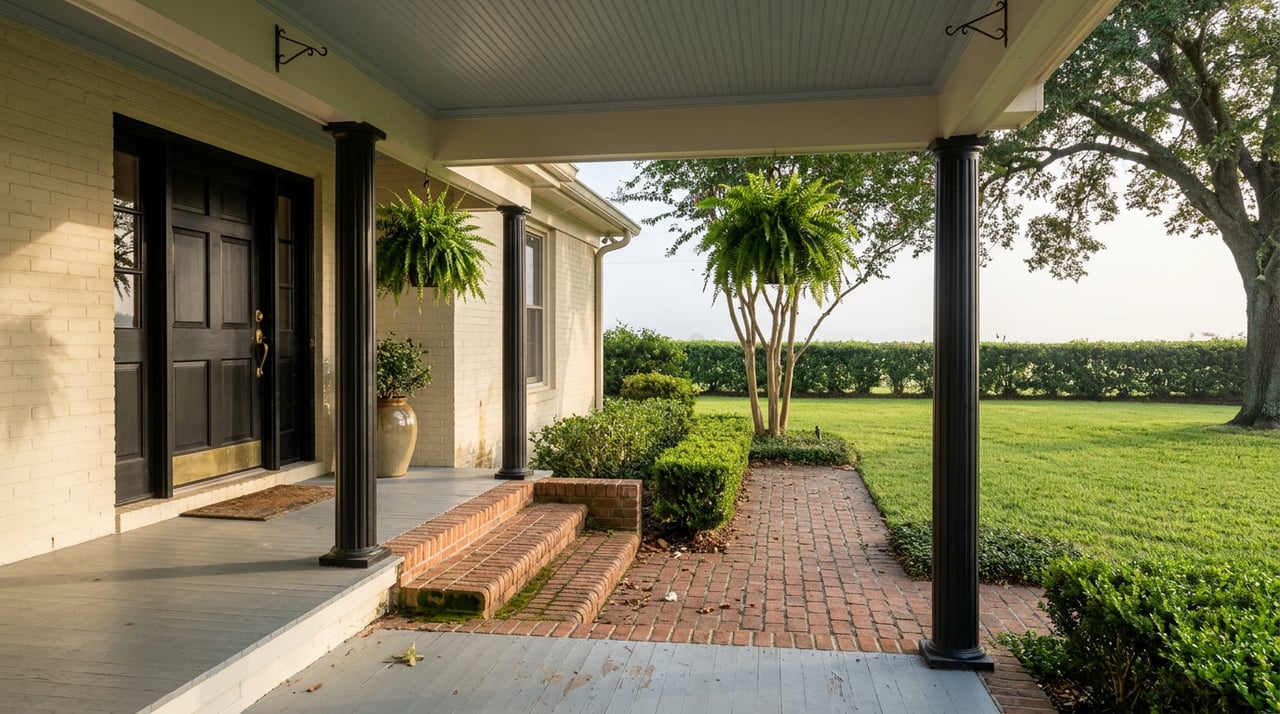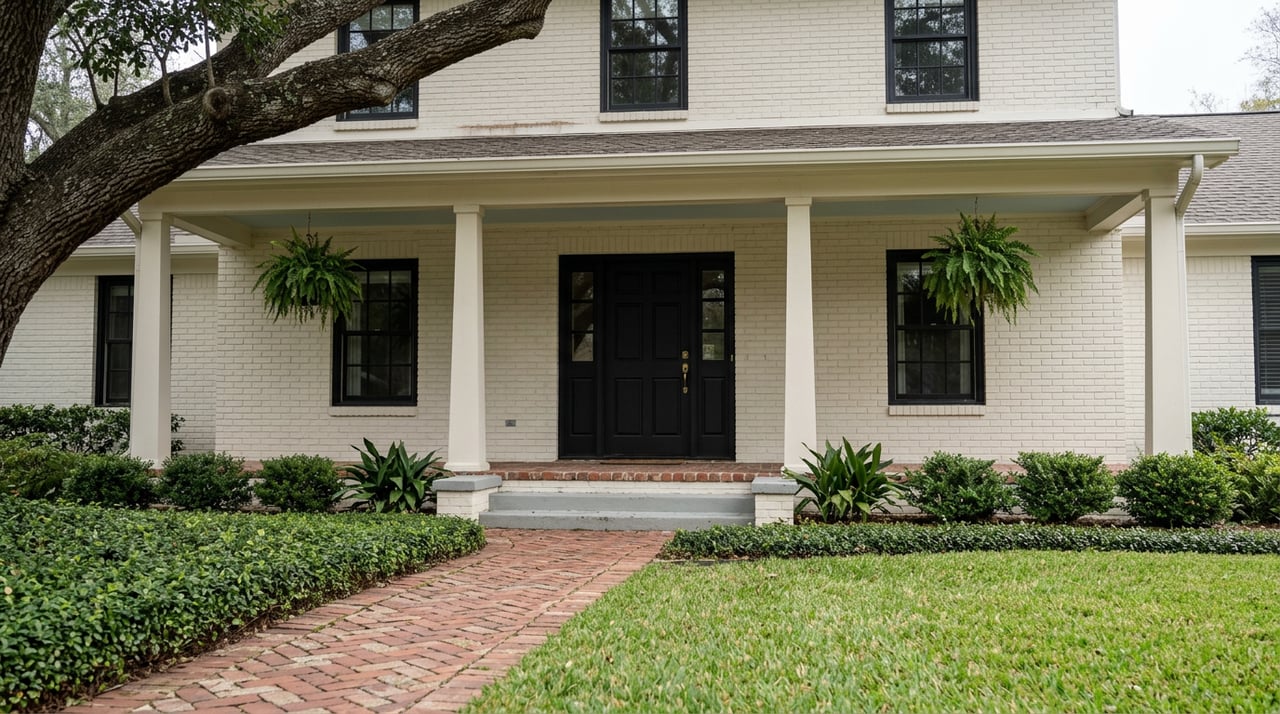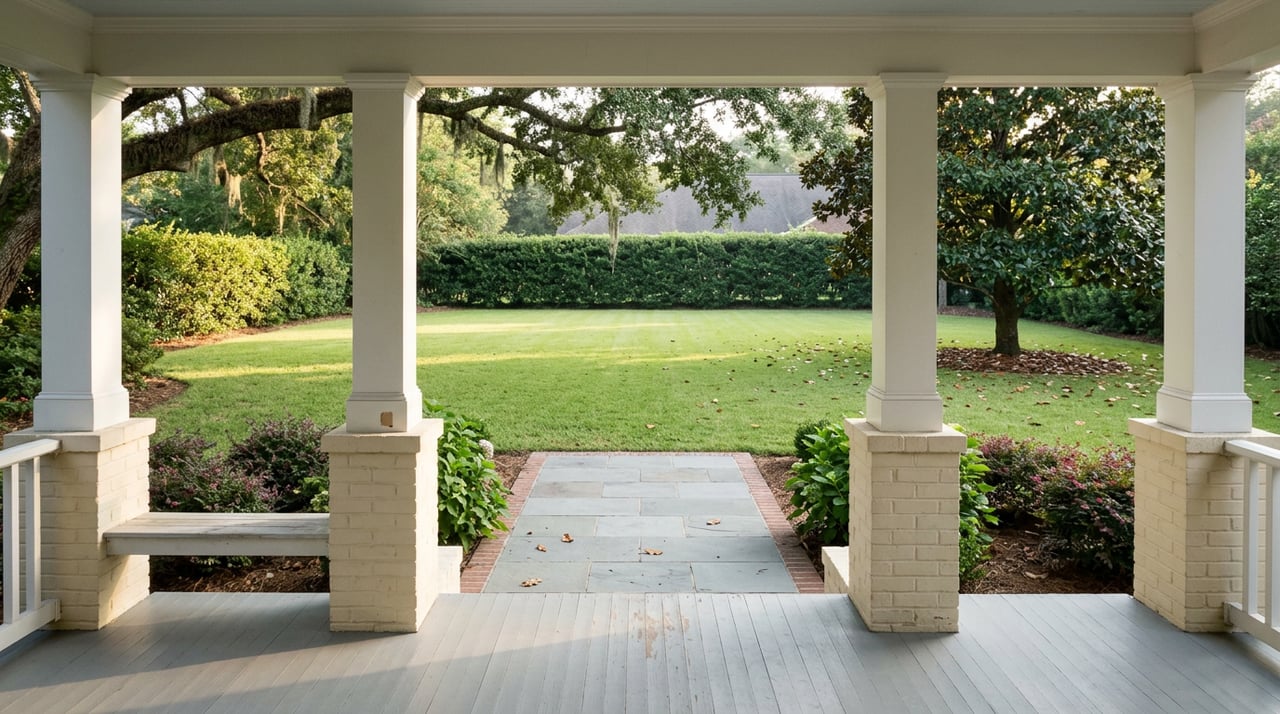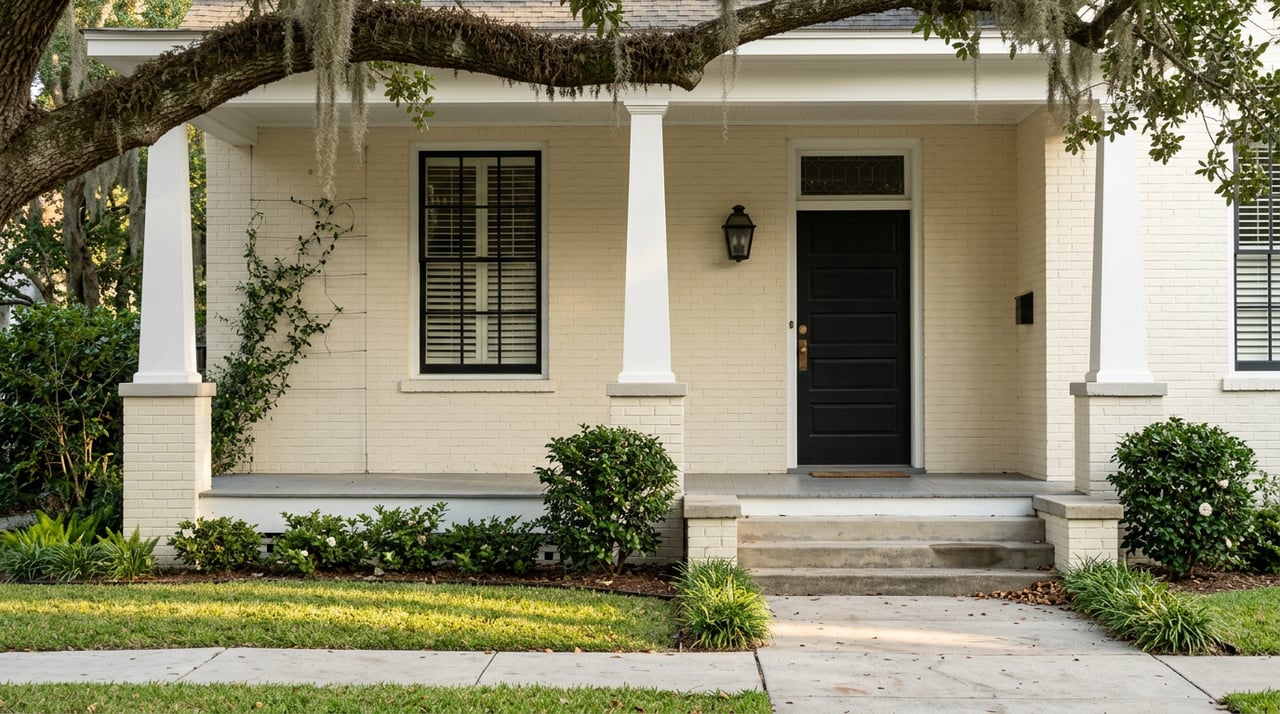
Thinking about living in Downtown Savannah’s Historic District? It is easy to fall in love with the beauty first, but daily life here is about much more than postcard views. If you are considering a move, it helps to understand how the neighborhood actually functions, from walkability and parking to housing styles and busy versus quieter blocks. Let’s dive in.
What the Historic District Feels Like
Downtown Savannah’s Historic District is not one uniform neighborhood. According to the National Park Service, the district is a nationally recognized historic area with significance in architecture and community planning, and its original city grid dates back to 1733. Visit Savannah describes it as a 2.5-square-mile Historic Landmark District with 22 green squares and more than 1,600 historically and architecturally significant structures.
For you as a buyer, that means the experience can shift from block to block. The area near River Street tends to feel more visitor-focused and active, while the southern sections are often described as quieter and more residential. The MLK Boulevard corridor adds another layer to the district, giving downtown a mix of residential streets, cultural destinations, civic spaces, and tourism activity.
Walkability Is Part of Daily Life
One of the biggest draws of living here is how easy it is to get around without relying on your car for every errand. The City of Savannah notes that downtown is especially easy to explore on foot, which is a major reason many people are drawn to the Historic District in the first place. If you want an urban lifestyle with built-in convenience, this area delivers.
The city also supports that lifestyle with fare-free downtown transit options. Current service includes the free Express Shuttle with 37 stops around the Historic District, along with connections to parking facilities, visitor centers, the ferry, and the streetcar. The Savannah Belles Ferry also offers free service between downtown and Hutchinson Island.
That said, walkability here comes with real city rules. Savannah reminds pedestrians to use proper crossings and notes that jaywalking enforcement is active downtown. Many crossings include talking signals, which adds to the district’s pedestrian-focused setup.
Parking Takes More Planning
If you are moving from a more suburban part of Chatham County, parking may be one of the biggest adjustments. Downtown parking is manageable, but it is more regulated and structured than what many buyers are used to. That is an important lifestyle detail to factor into your decision.
The city operates downtown parking meters in designated zones, and many areas use app-based payment through ParkSavannah. Residents who live in metered areas may also apply for on-street parking decals. If you are considering a specific property, it is smart to look at parking access early in the process, especially if you expect to keep more than one vehicle.
Squares and Parks Shape the Routine
Savannah’s public squares are not just beautiful landmarks. They are part of the everyday rhythm of downtown life. The city explains that these historic downtown squares trace back to Oglethorpe’s original 1733 plan and remain actively maintained public spaces today.
That gives the Historic District a very different feel from many other urban neighborhoods. Instead of long stretches of hardscape, you get shaded green spaces woven throughout the district. For residents, that often means easier dog walks, pleasant walking routes, and natural gathering spots built right into the neighborhood.
Forsyth Park is the area’s largest and most recognizable green space. The city says Forsyth Park spans 30 acres and includes the famous fountain, monuments, sports courts, walking paths, and open lawns. It also serves as a regular community hub, with the Forsyth Farmers’ Market operating year-round on Saturdays under the oaks.
Housing Styles Vary More Than You Might Expect
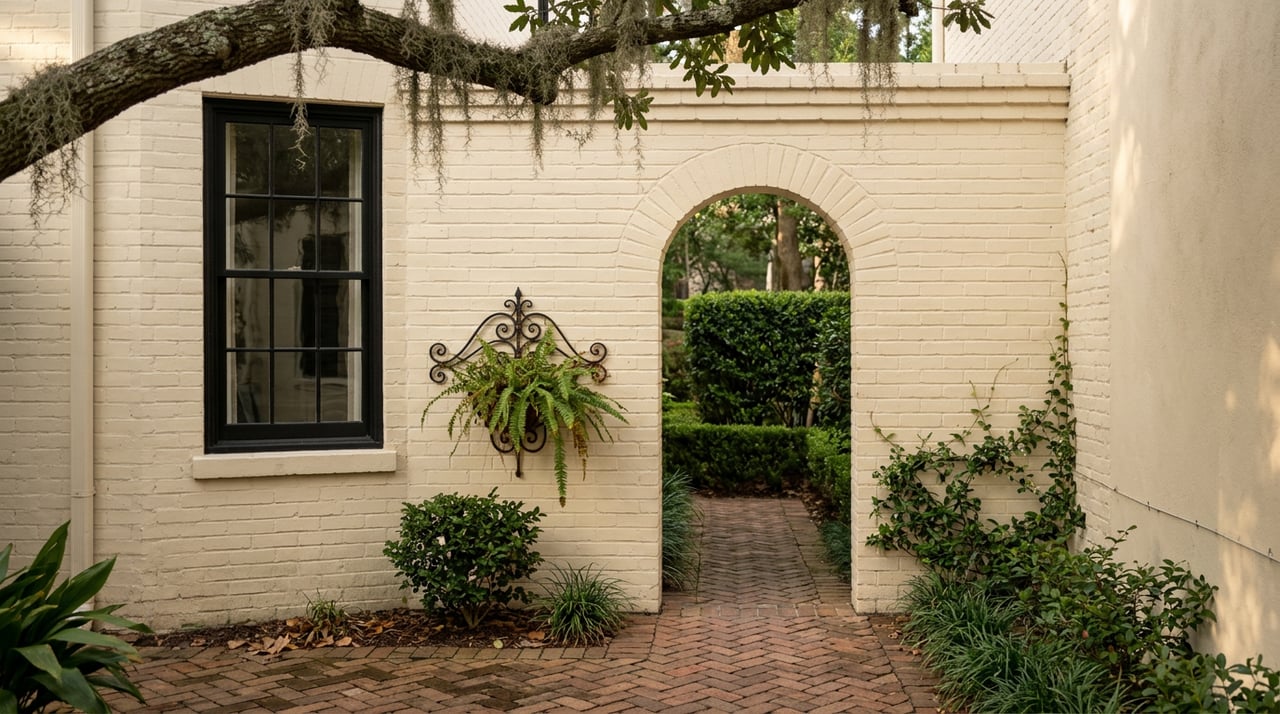
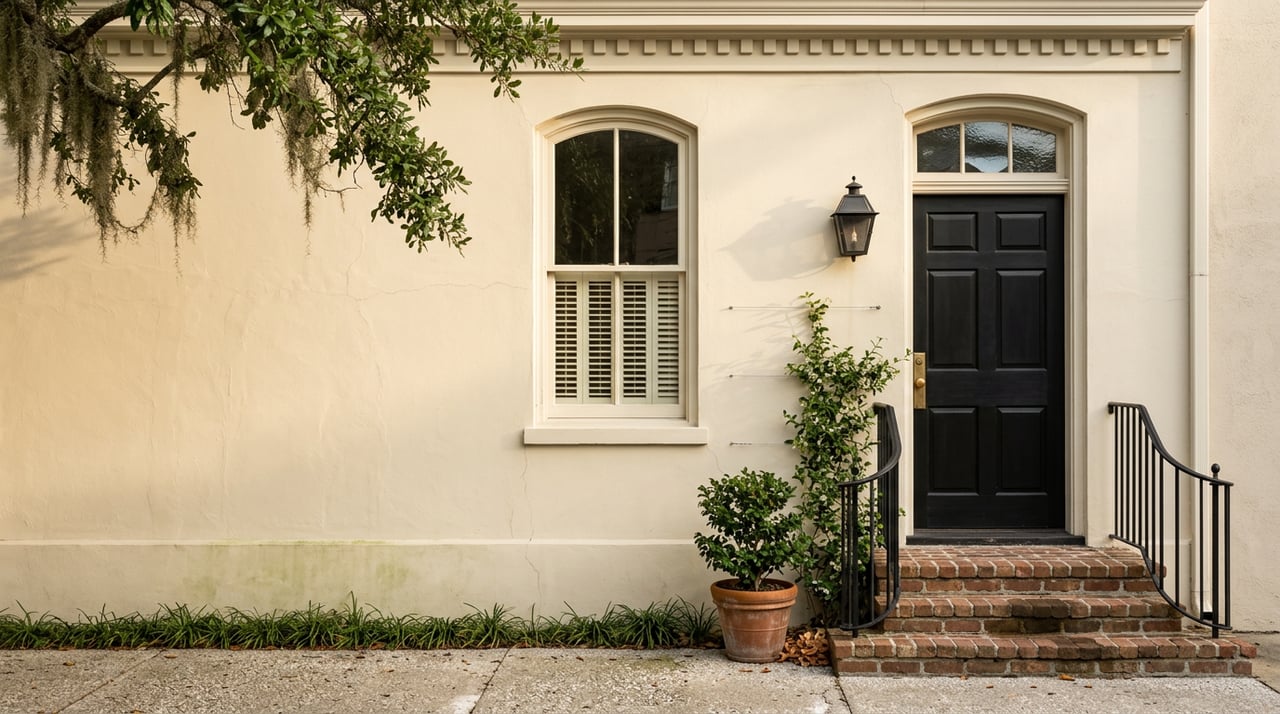
If you picture the Historic District as one consistent architectural style, you may be surprised when you start touring homes. The district’s long period of significance, from 1750 to 1934 according to the National Park Service, helps explain why the streetscape feels layered rather than uniform. You will see a mix of building types and design influences across downtown.
Some of Savannah’s best-known historic properties highlight that range. The Telfair Academy is a neoclassical mansion dating to around 1820, while the Owens-Thomas House is known for its English Regency style. These landmark homes are museums today, but they help illustrate the architectural depth that shapes the district around them.
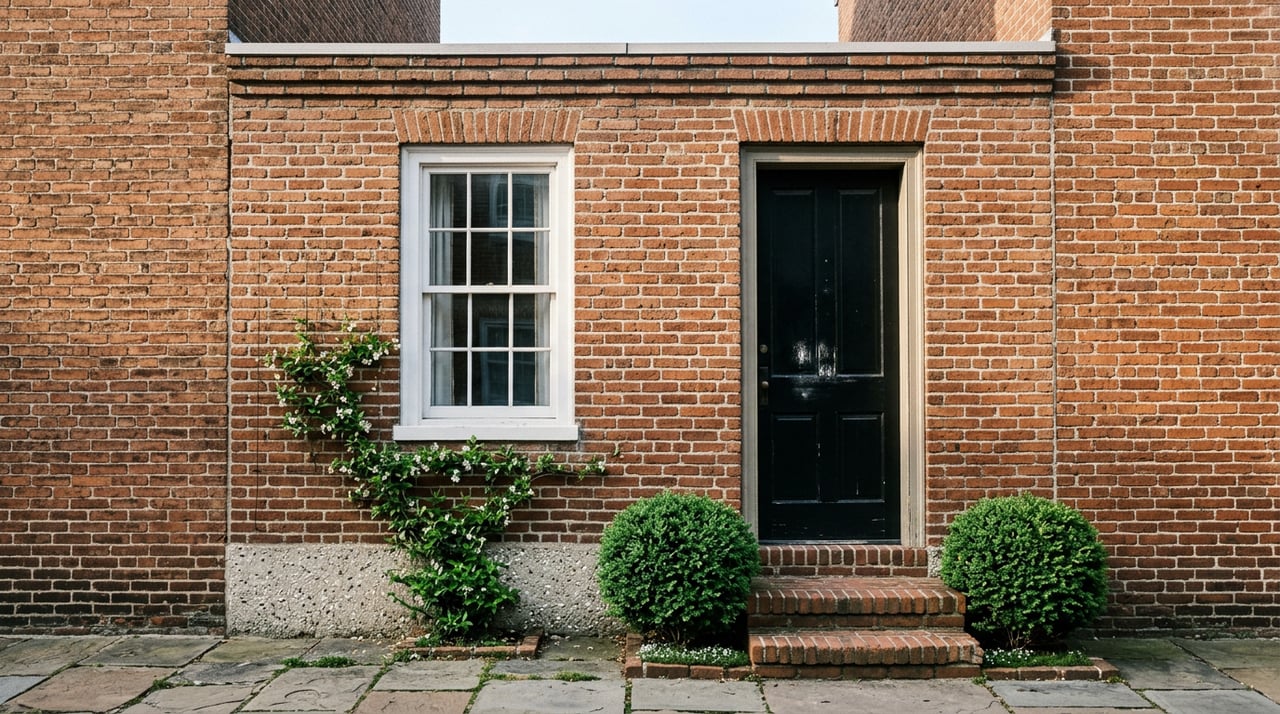
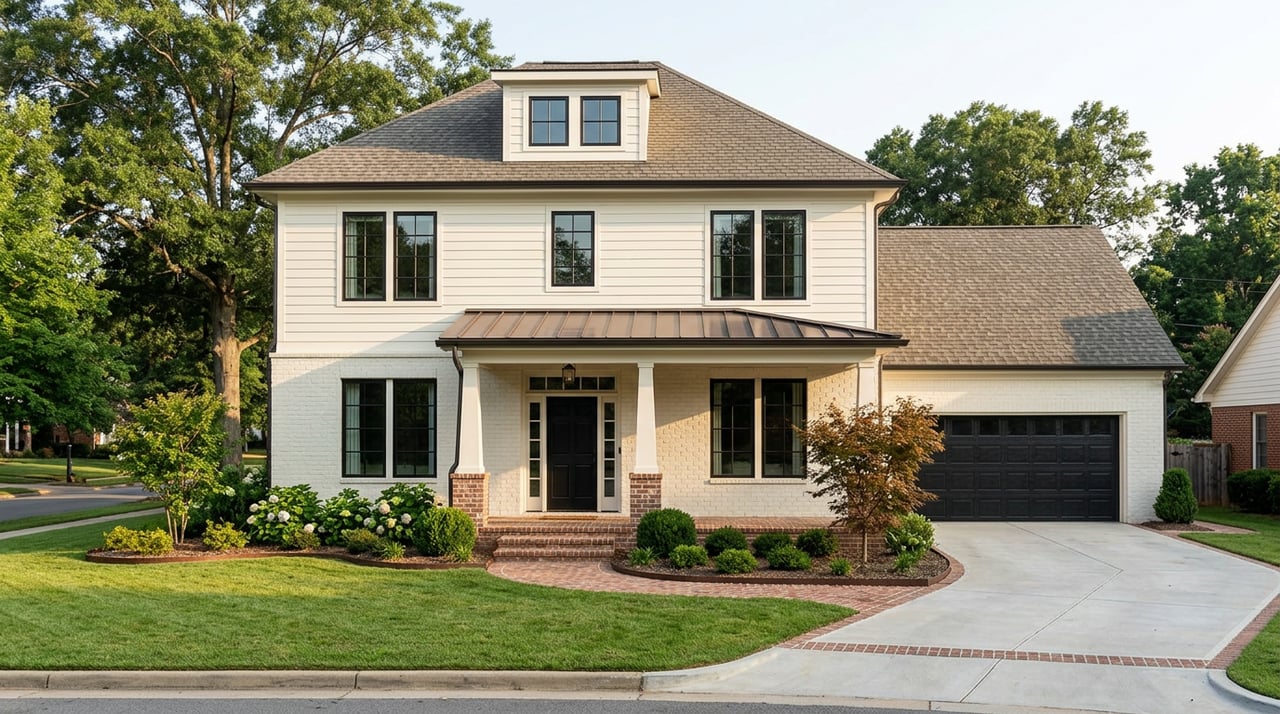
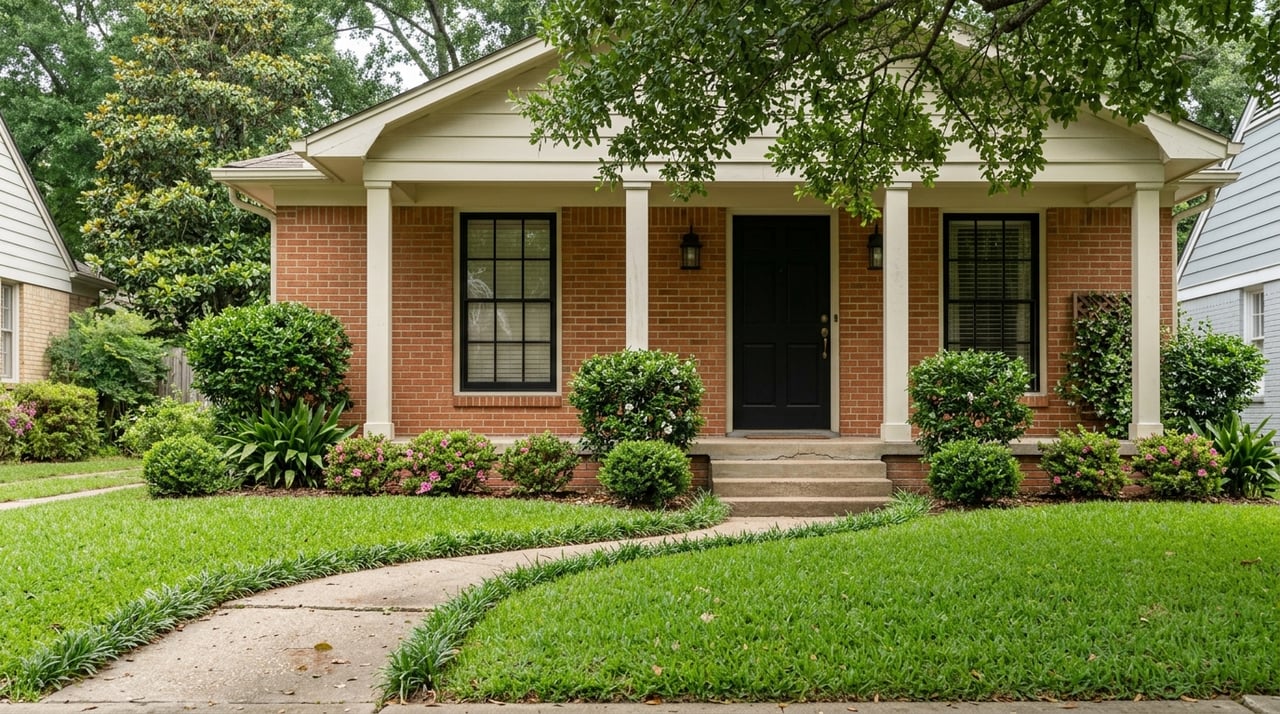
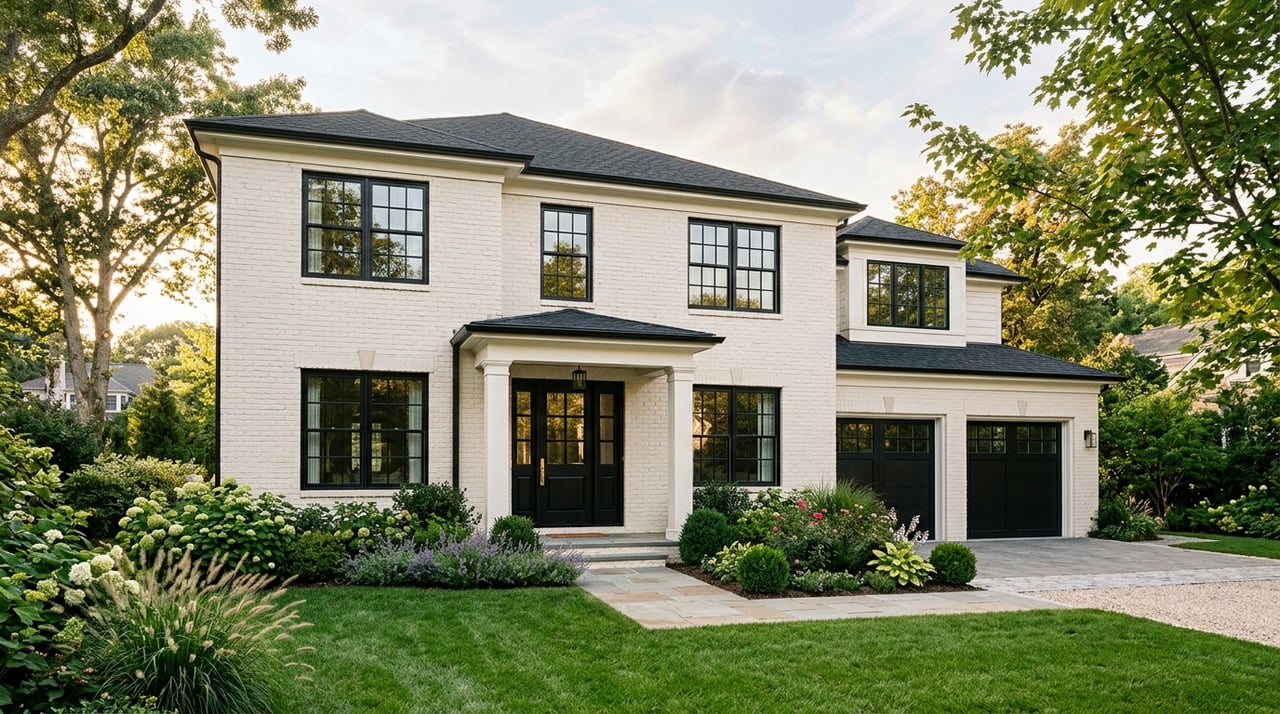
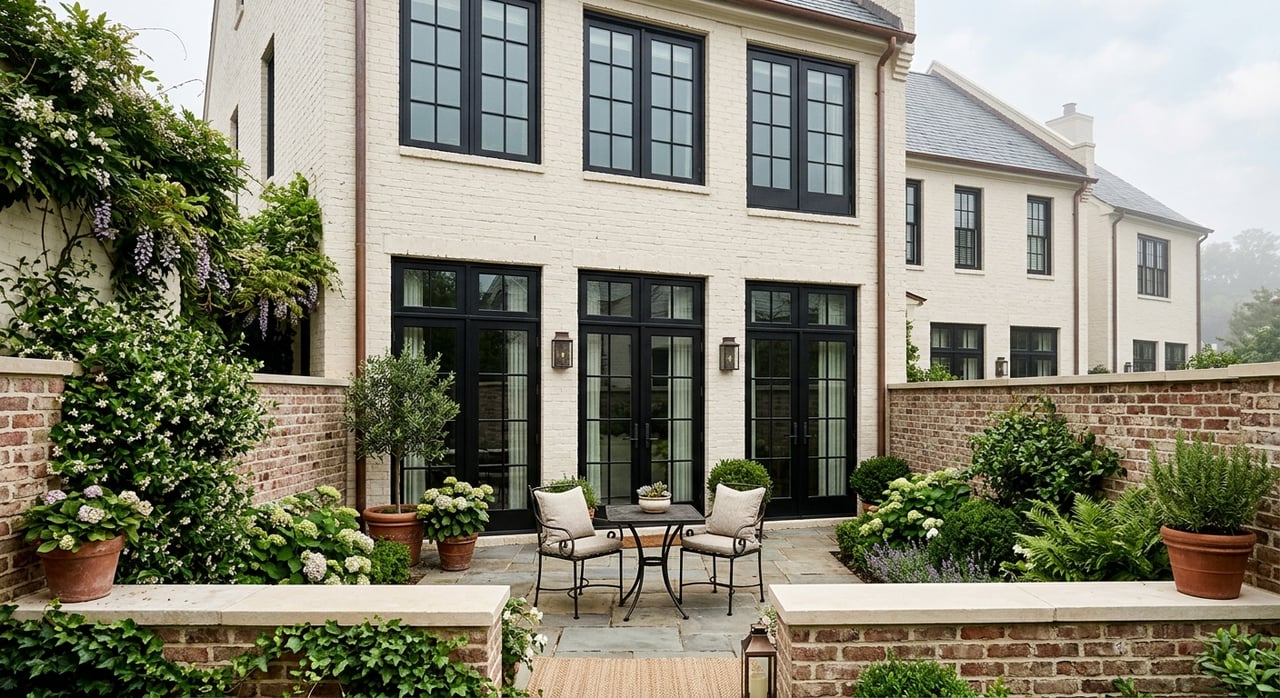
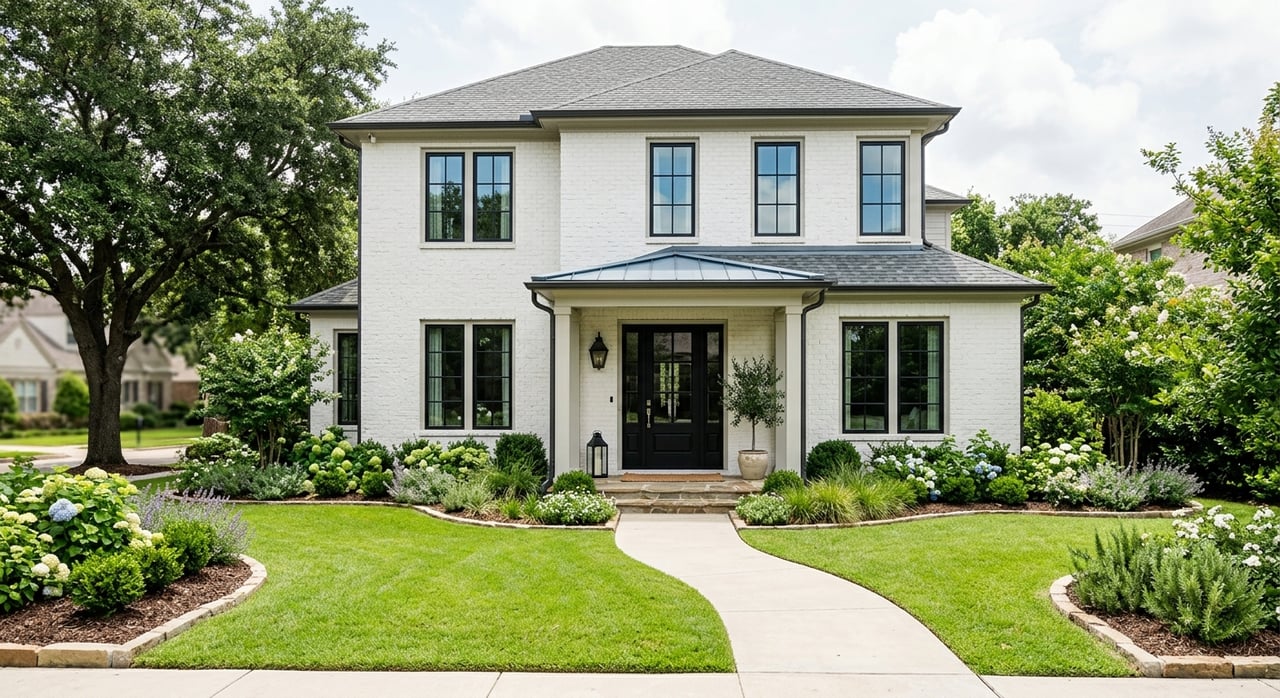
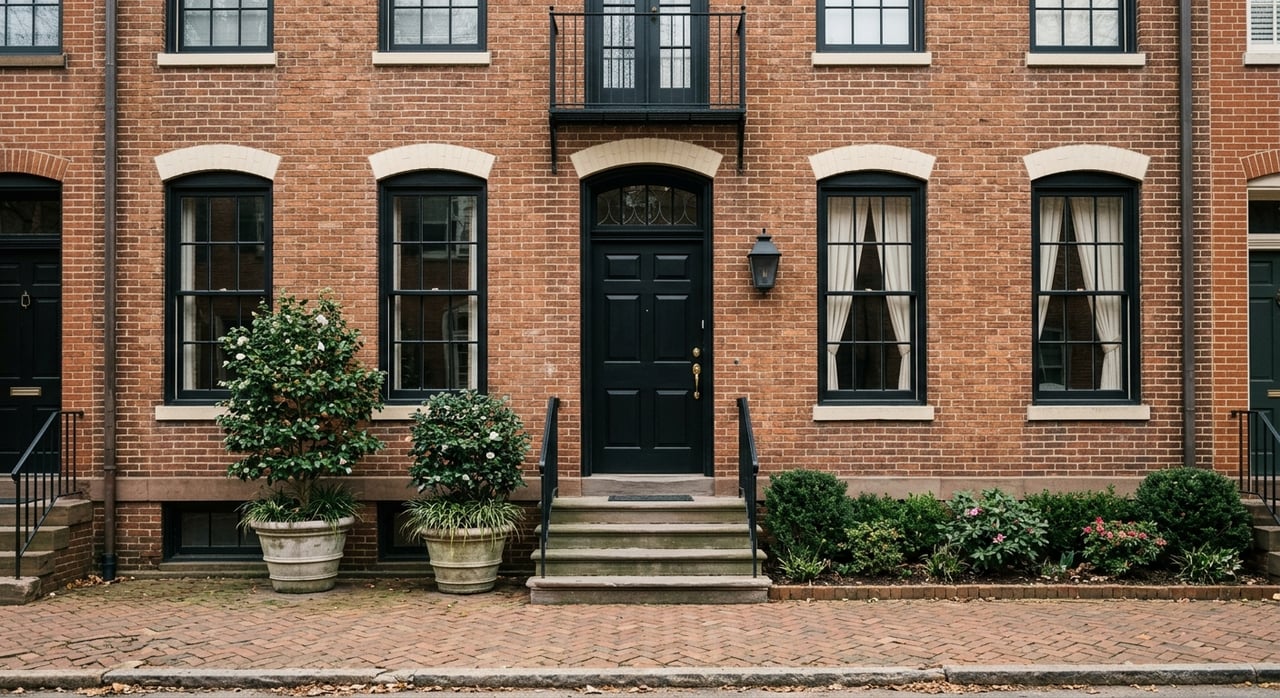
For buyers, the practical takeaway is simple: you are not shopping one housing type here. Depending on the block, you may encounter grand homes facing squares, smaller cottages, townhomes, rowhouses, and adapted older buildings. That variety can be a major plus if you want character, but it also means your search should stay flexible.
Nearby Victorian District Adds Options
Just south of the core, the Victorian District broadens the housing conversation even more. Visit Savannah describes this 50-block district as an area known for narrow two-story homes, bay windows, and decorative trim. Historic materials also point to a mix of Carpenter Box houses, Queen Anne homes, brick townhouses, and brick rows.
If you love the idea of downtown living but want to compare housing styles and street feel, this nearby area may also be worth exploring with your agent. It helps show just how varied central Savannah can be. Sometimes the right fit comes down to a very specific block, parking setup, or building style rather than a broad neighborhood label.
Dining, Shopping, and Culture Stay Close
A big part of Historic District living is access. Instead of planning your day around long drives, you can often reach restaurants, museums, performance venues, and the riverfront on foot or by shuttle. For many buyers, that is one of the strongest reasons to choose downtown.
Visit Savannah notes that City Market is a longtime hub for restaurants, art spaces, outdoor music, museums, and local shopping. River Street adds another layer, with more than 75 boutiques, galleries, artist studios, restaurants, and pubs set in former cotton warehouses. The Historic District also includes restaurants operating in former banks, warehouses, and 19th-century homes, which gives dining out a distinctly Savannah feel.
The cultural side of downtown is just as dense. Telfair Museums connects multiple sites, including the Telfair Academy, the Owens-Thomas House & Slave Quarters, and the Jepson Center. You also have active performance venues and landmark spaces throughout the district, which supports a lifestyle centered on proximity and variety.
Busy Blocks and Quiet Pockets
One of the smartest things you can do as a buyer is separate the image of downtown from the reality of a specific address. The Historic District includes both highly active areas and calmer residential pockets. If you tour only one section, you may not get the full picture.
In general, places closer to River Street and City Market tend to see more foot traffic and event activity. Farther south, you may find streets that feel more residential and shaded. Neither is better across the board. It simply depends on whether you want to be in the center of the action or closer to a quieter day-to-day rhythm.
What to Consider Before You Buy
Living in the Historic District can be incredibly rewarding, but it helps to go in with clear expectations. This is a real neighborhood with exceptional character, not a museum display or a suburban subdivision. The lifestyle benefits are real, and so are the tradeoffs.
Here are a few things to think through as you narrow your search:
- How important is walkability to your daily routine?
- Do you want to be close to River Street, City Market, or Forsyth Park?
- How much parking do you need?
- Are you open to different housing types and layouts?
- Would you prefer a busier location or a quieter residential block?
When you answer those questions early, it becomes much easier to identify the right fit. In a neighborhood this varied, local guidance can save you time and help you focus on properties that match your lifestyle.
If you are thinking about buying in Downtown Savannah’s Historic District, working with a team that understands the area block by block can make a big difference. The Mcintosh Realty Team brings deep Savannah-area experience, thoughtful guidance, and the kind of local insight that helps you move forward with confidence.
FAQs
What is it like living in Downtown Savannah’s Historic District?
- Living in the Historic District means being surrounded by historic architecture, public squares, parks, restaurants, museums, and riverfront access in a walkable urban setting.
Is Downtown Savannah’s Historic District walkable for daily life?
- Yes. The City of Savannah highlights downtown as especially easy to navigate on foot, and the area also offers fare-free transit options and a free ferry.
Is parking difficult in Savannah’s Historic District?
- Parking is generally more regulated than in suburban areas, with metered zones, app-based payment, and residential parking decals available in some locations.
What kinds of homes are in Savannah’s Historic District?
- The district includes a mix of housing types, including large historic homes, cottages, townhomes, rowhouses, and adapted older buildings.
Are all parts of Savannah’s Historic District equally busy?
- No. Areas near River Street and City Market usually have more visitor activity, while some blocks farther south tend to feel quieter and more residential.
Does the Historic District have parks and green space?
- Yes. The district is known for its historic squares, and Forsyth Park provides 30 acres of open space, walking paths, and regular community activity.