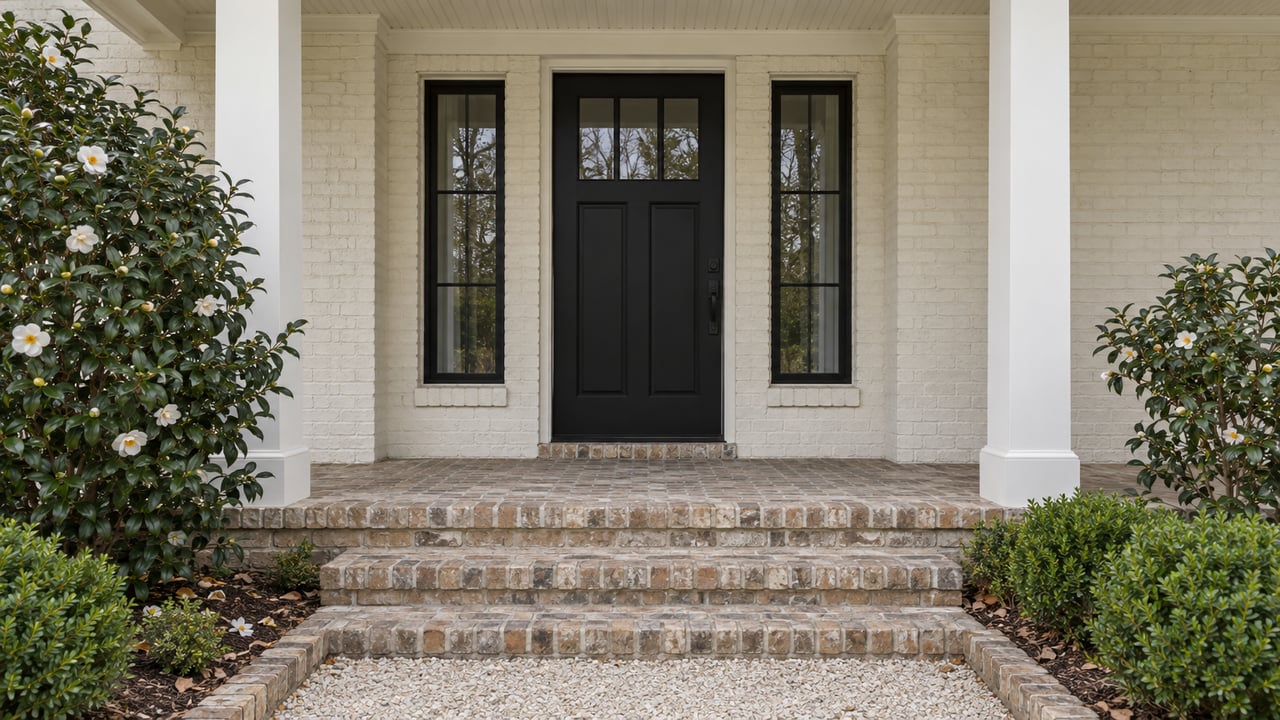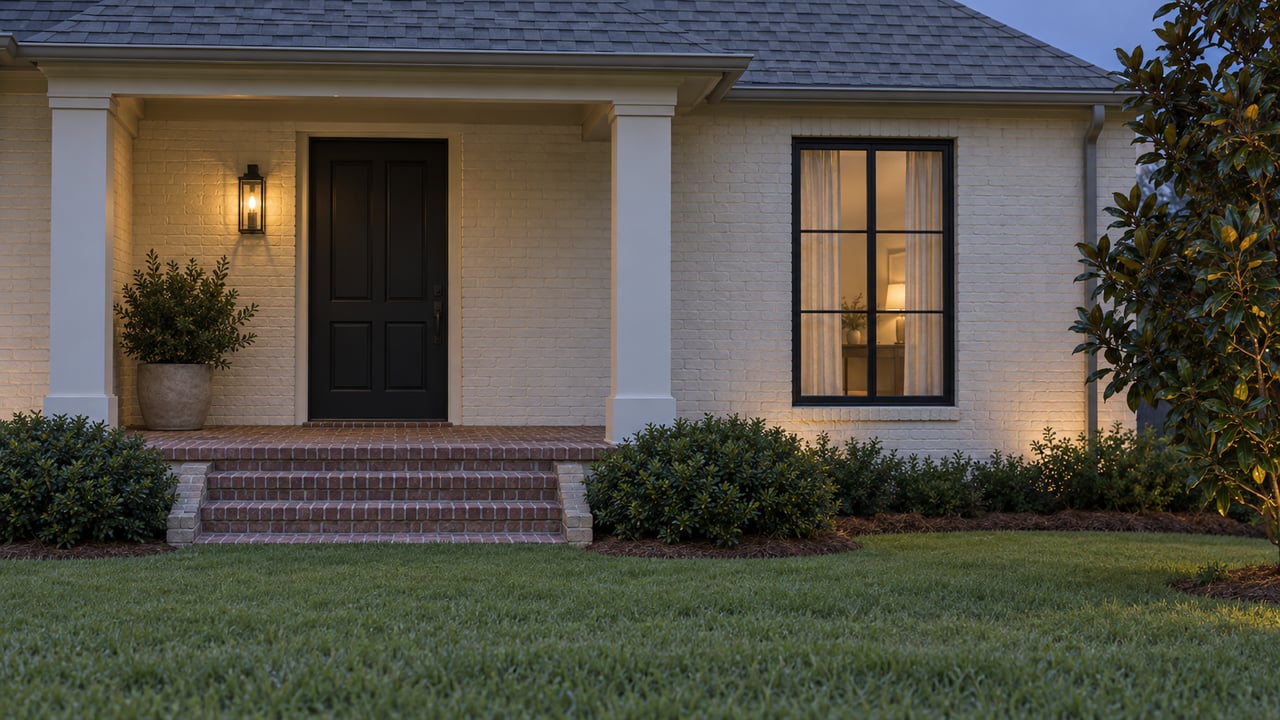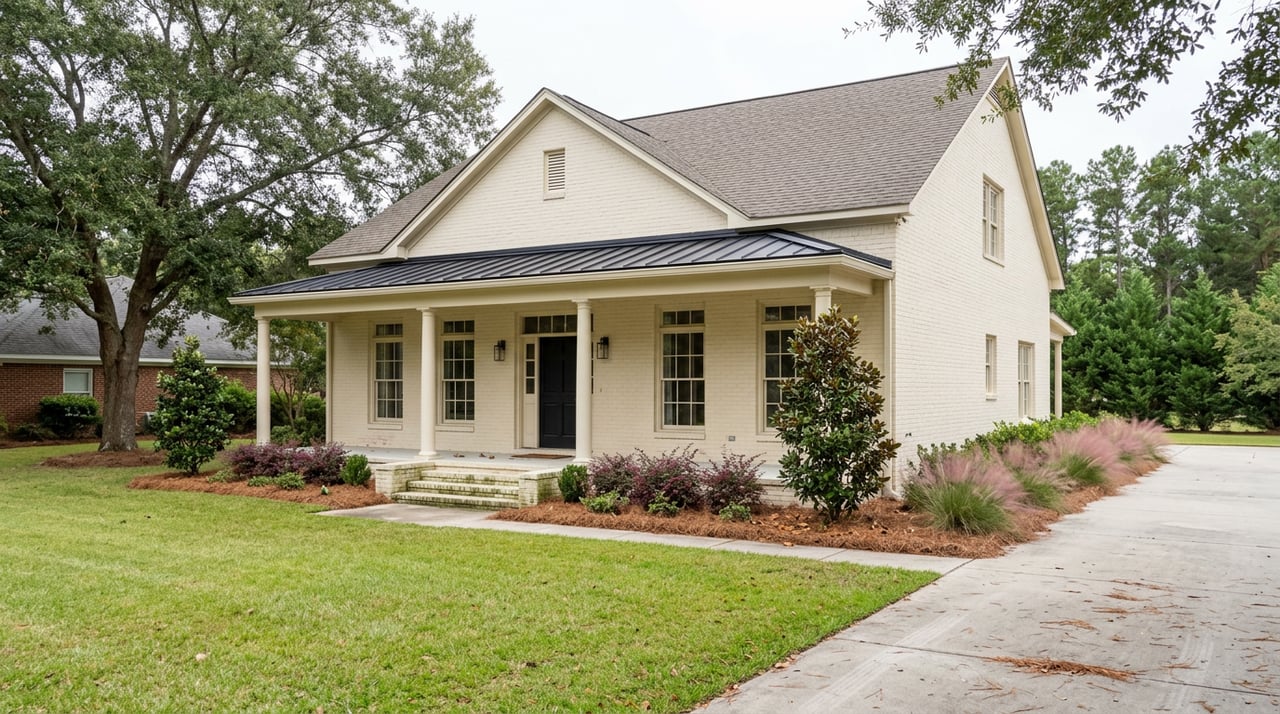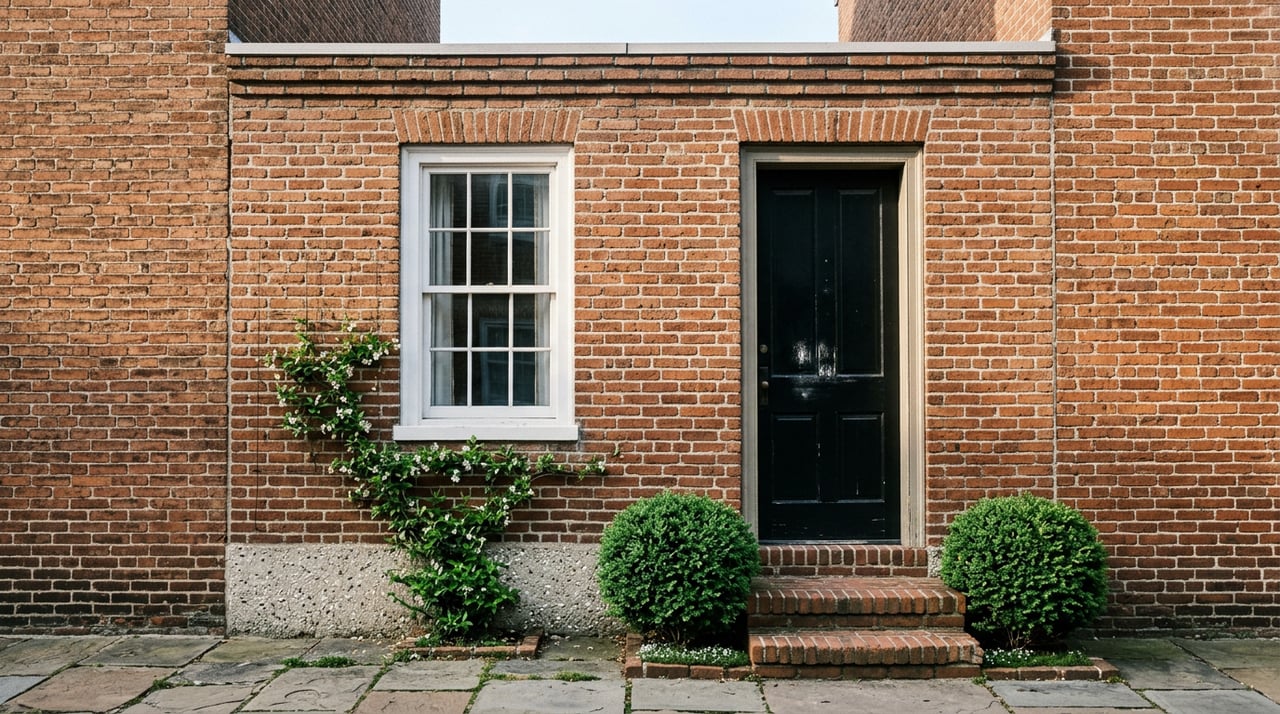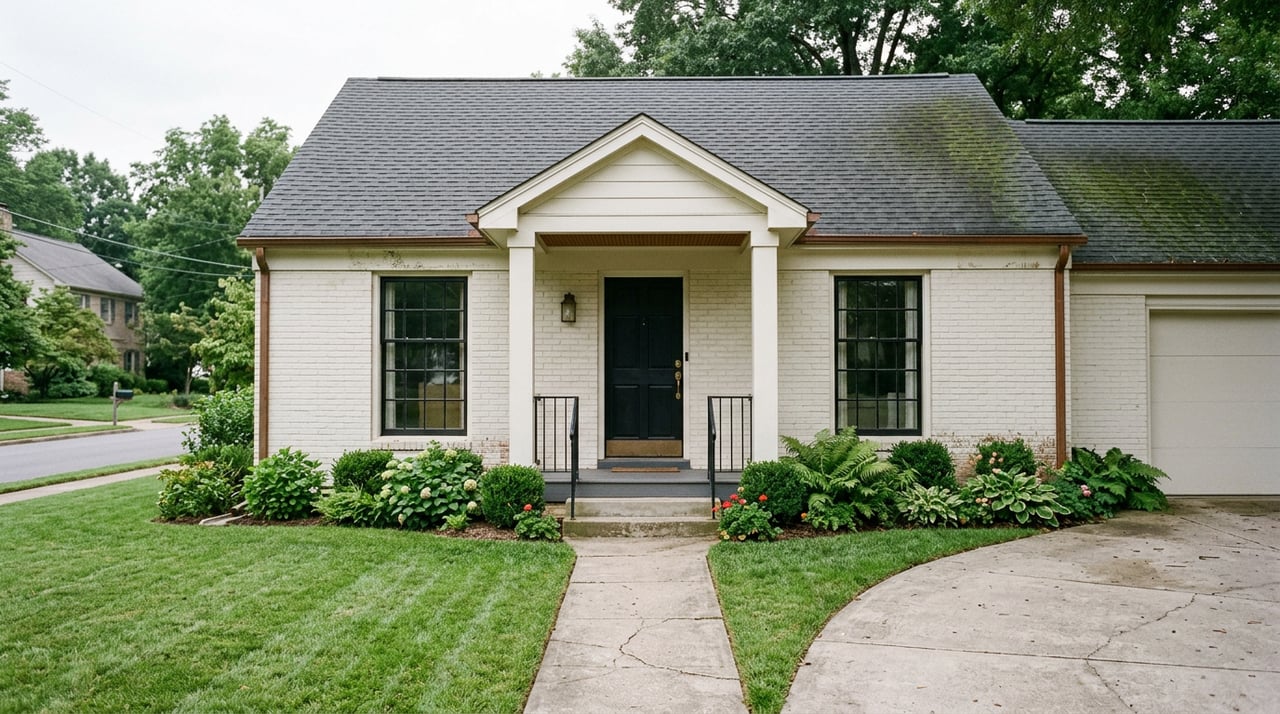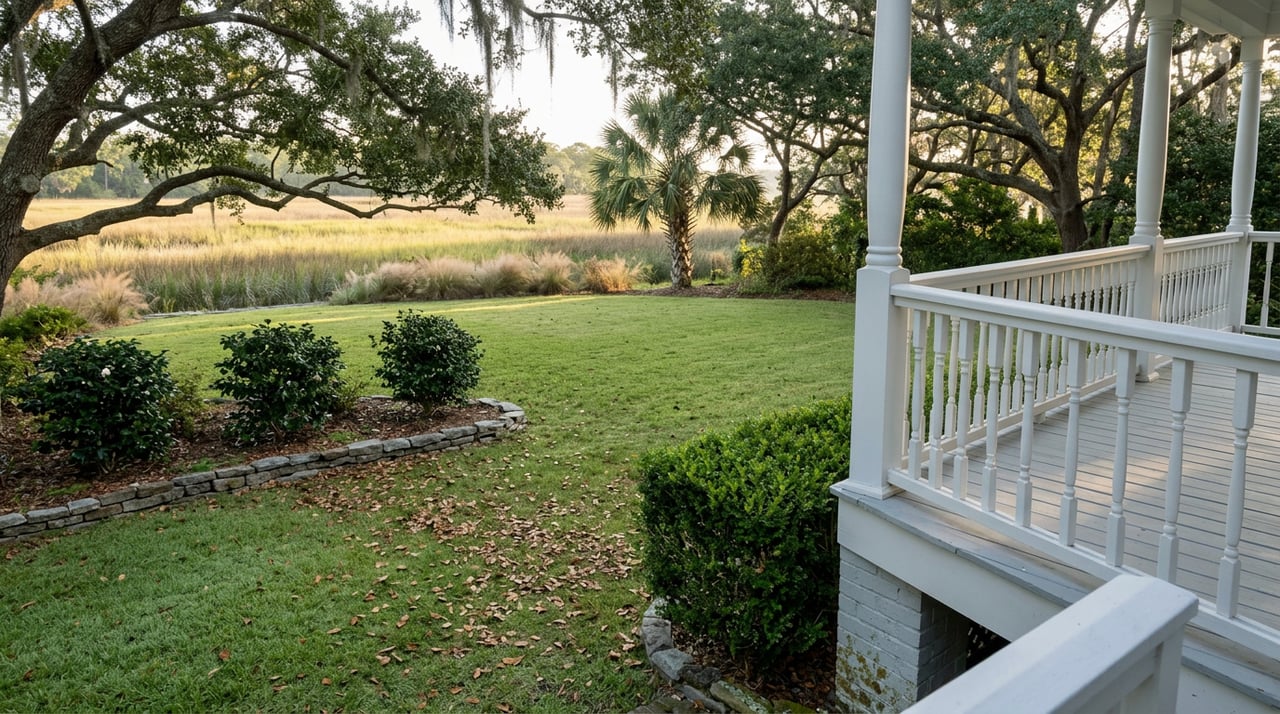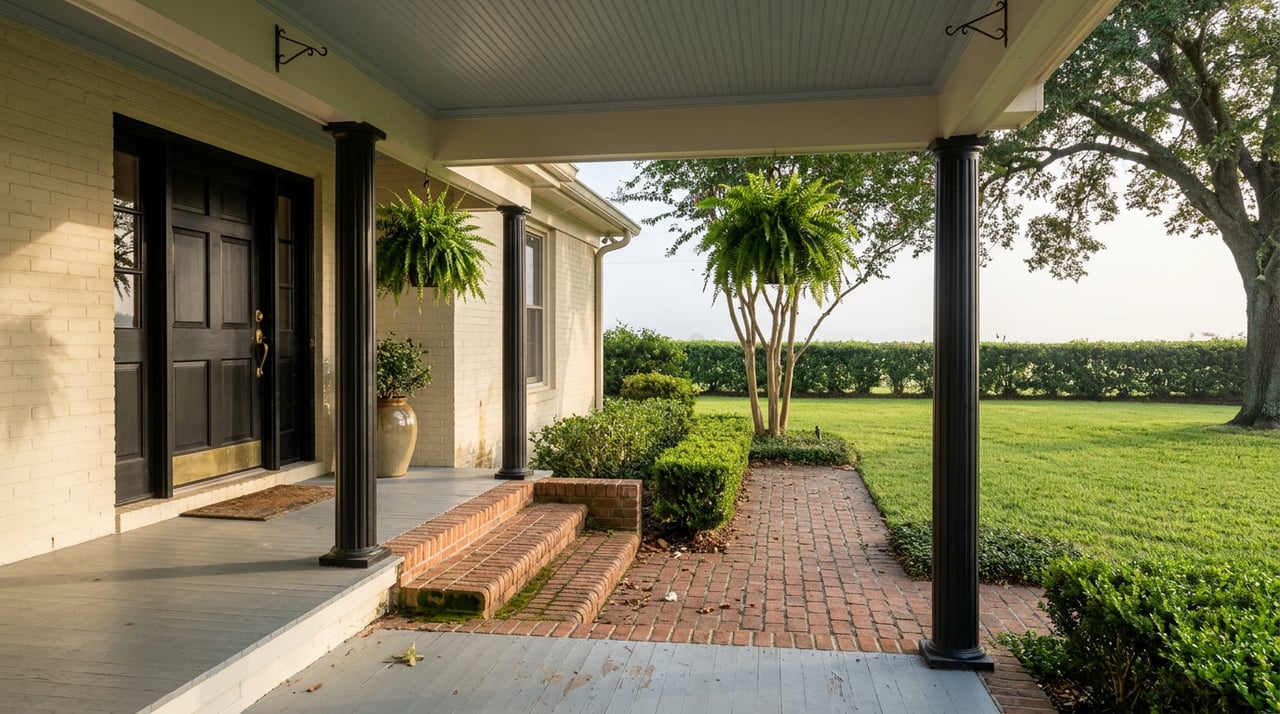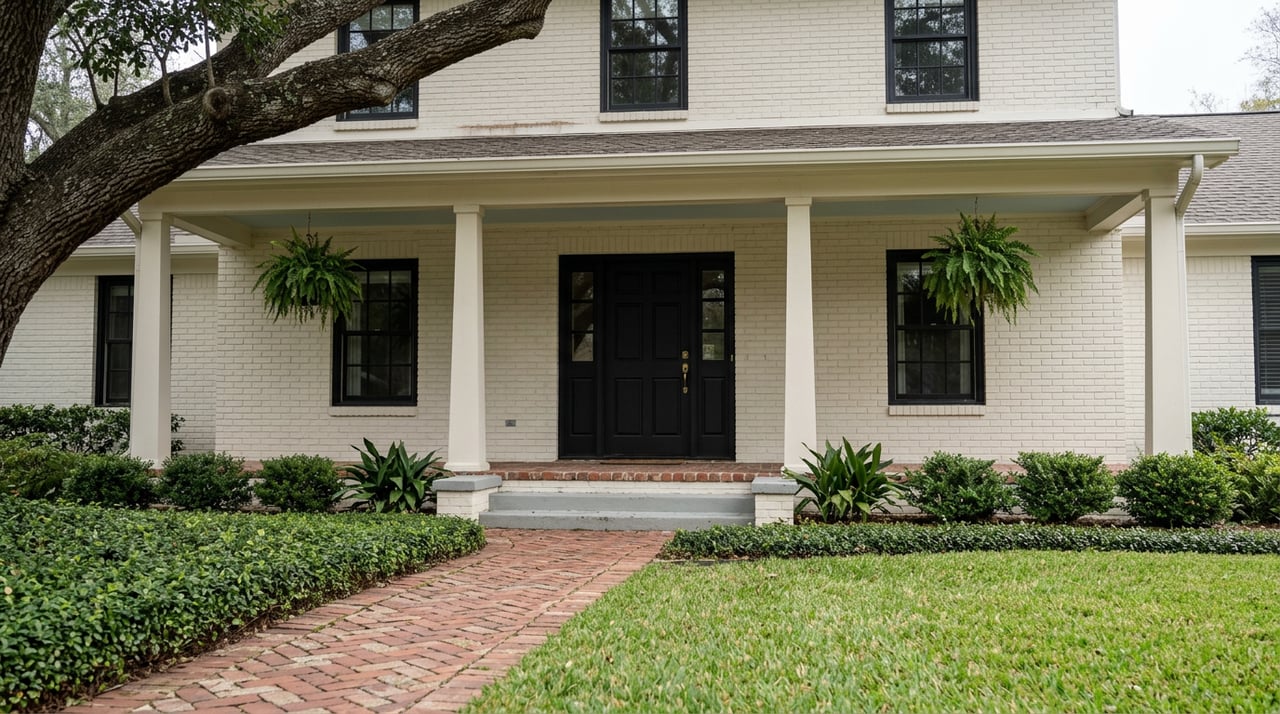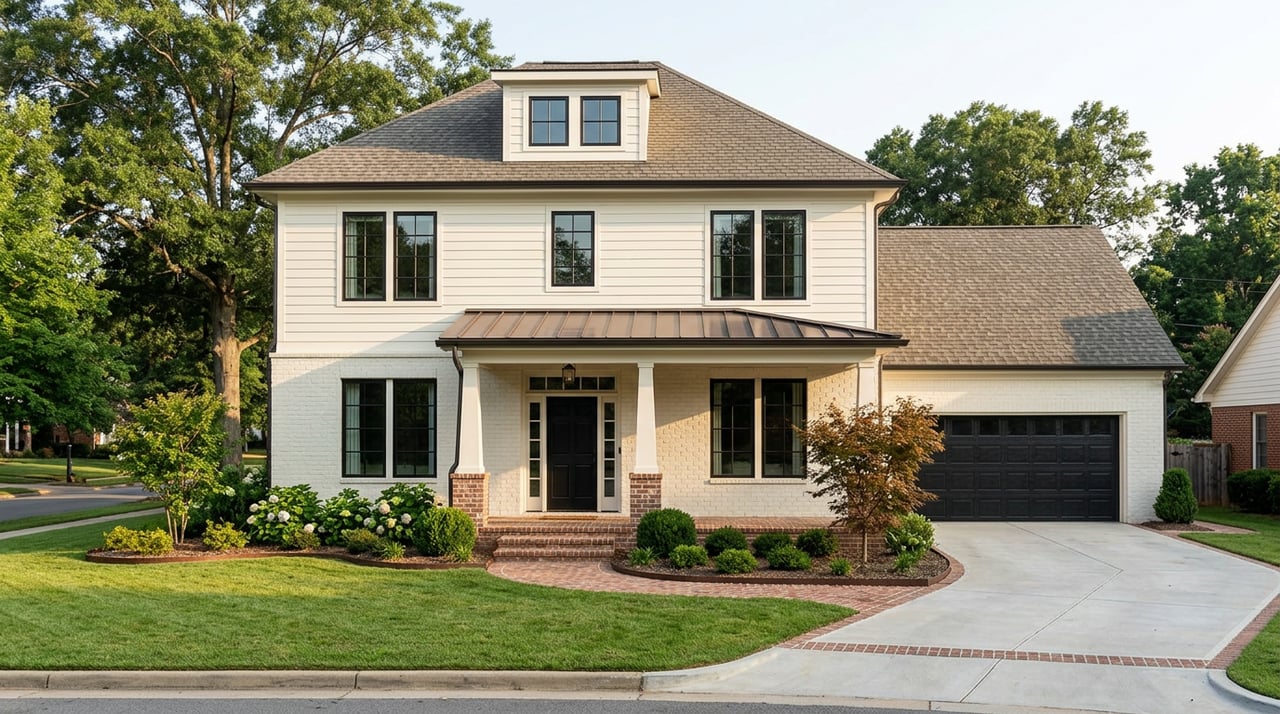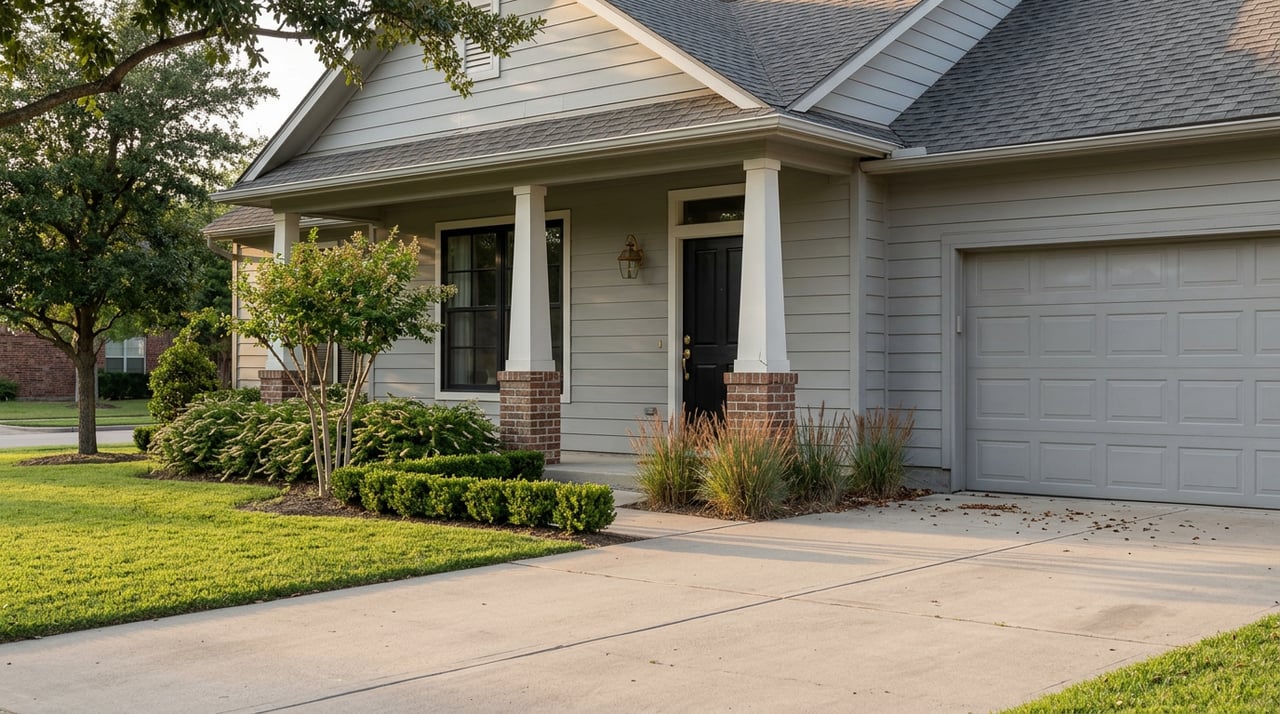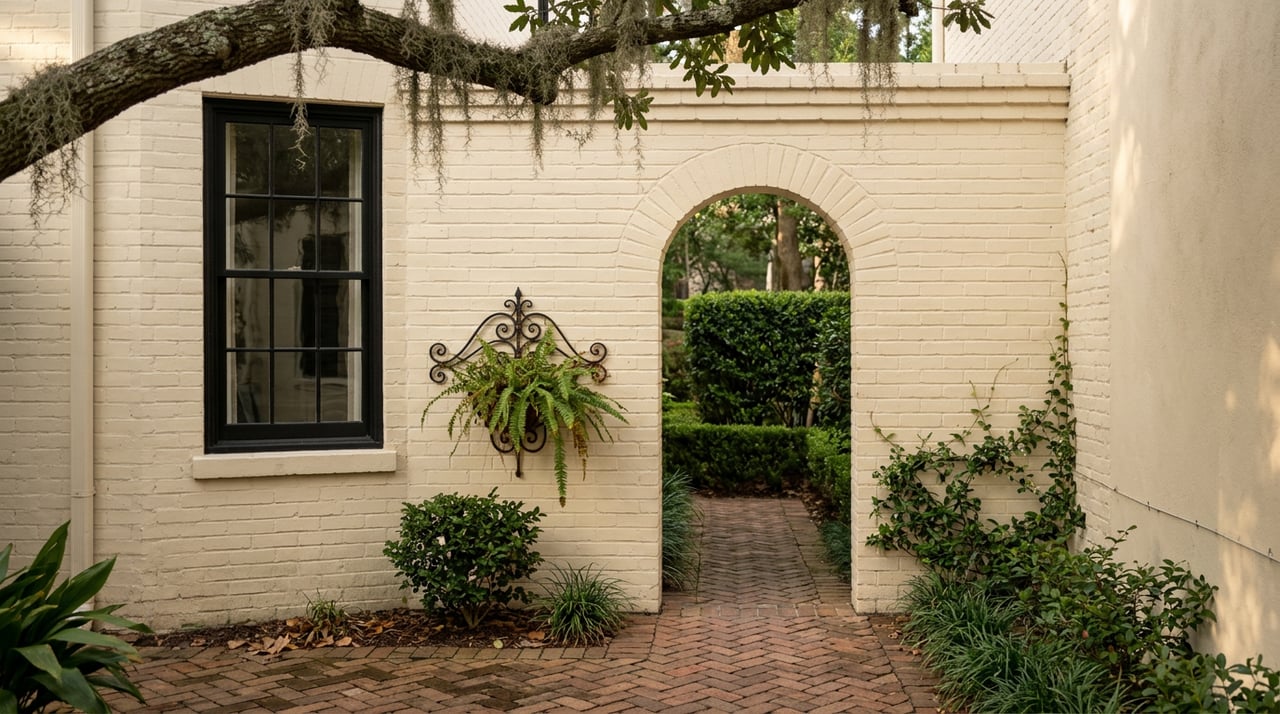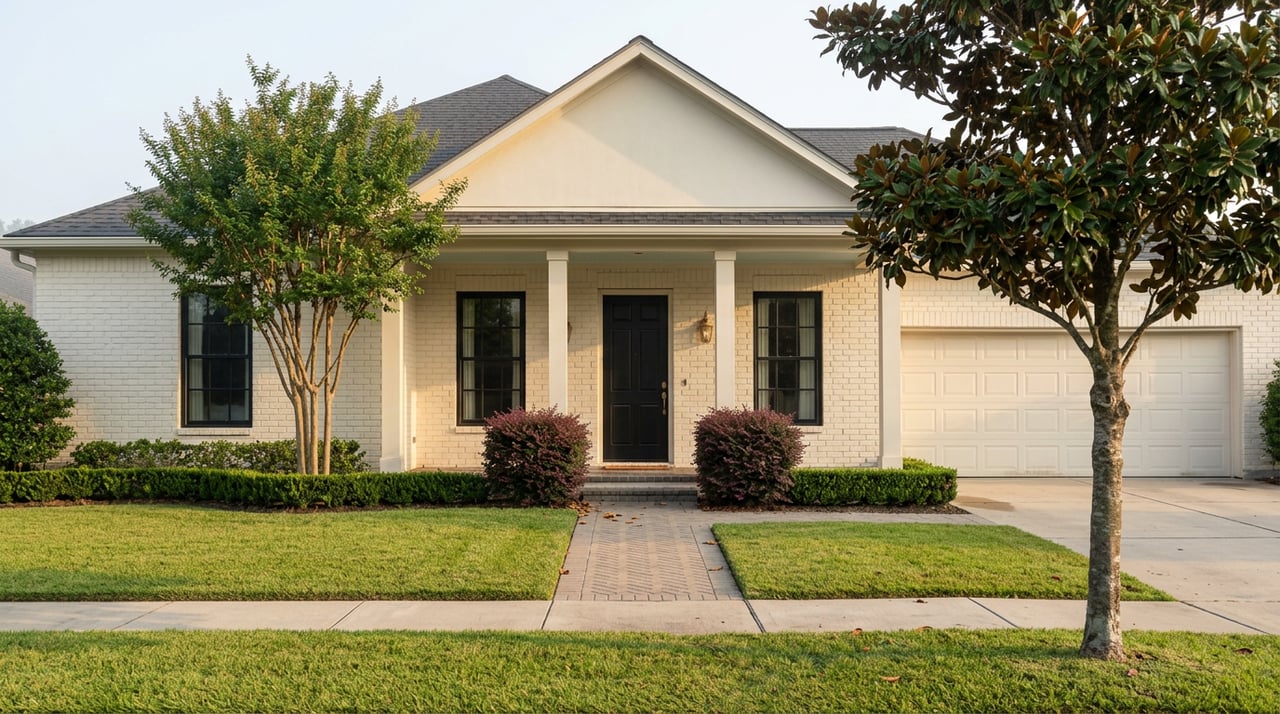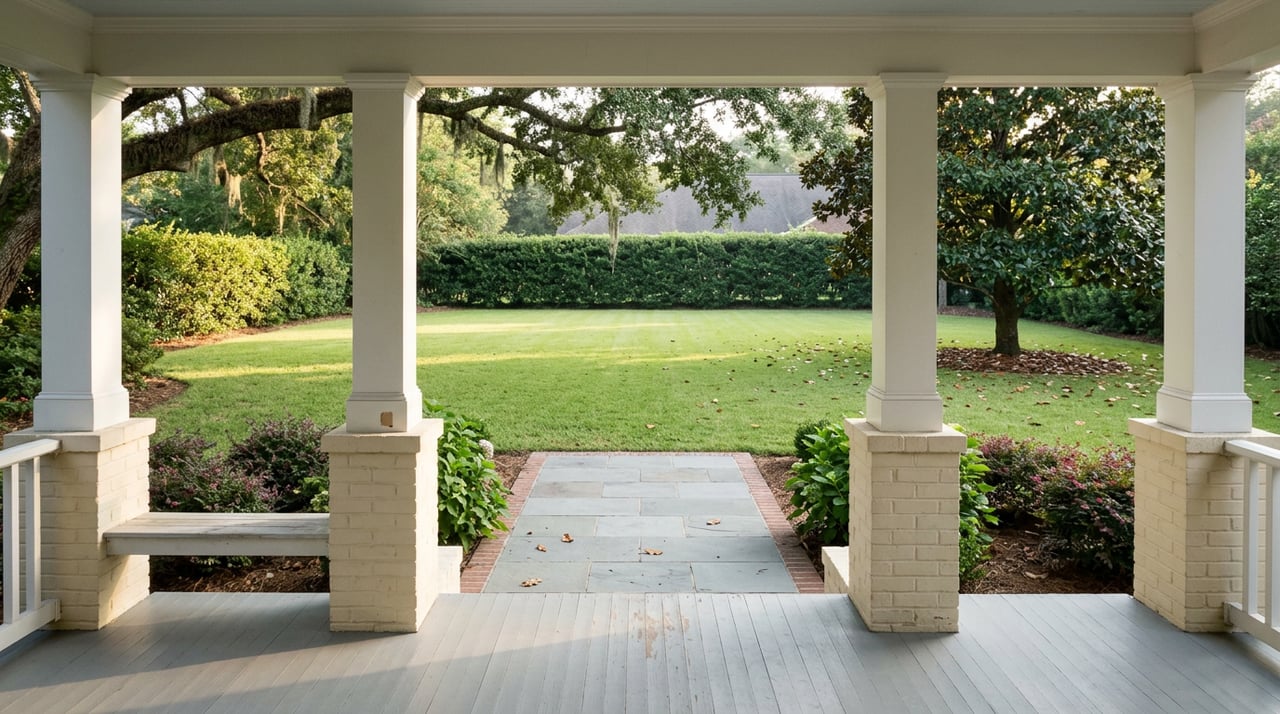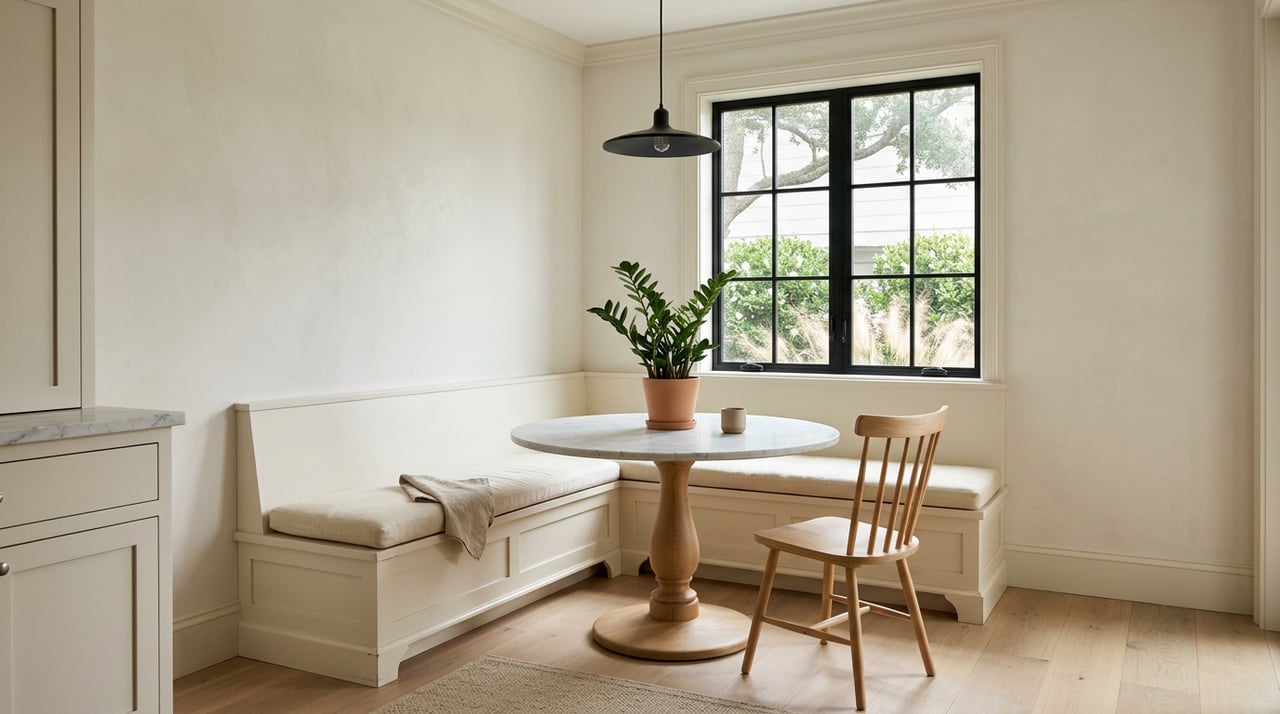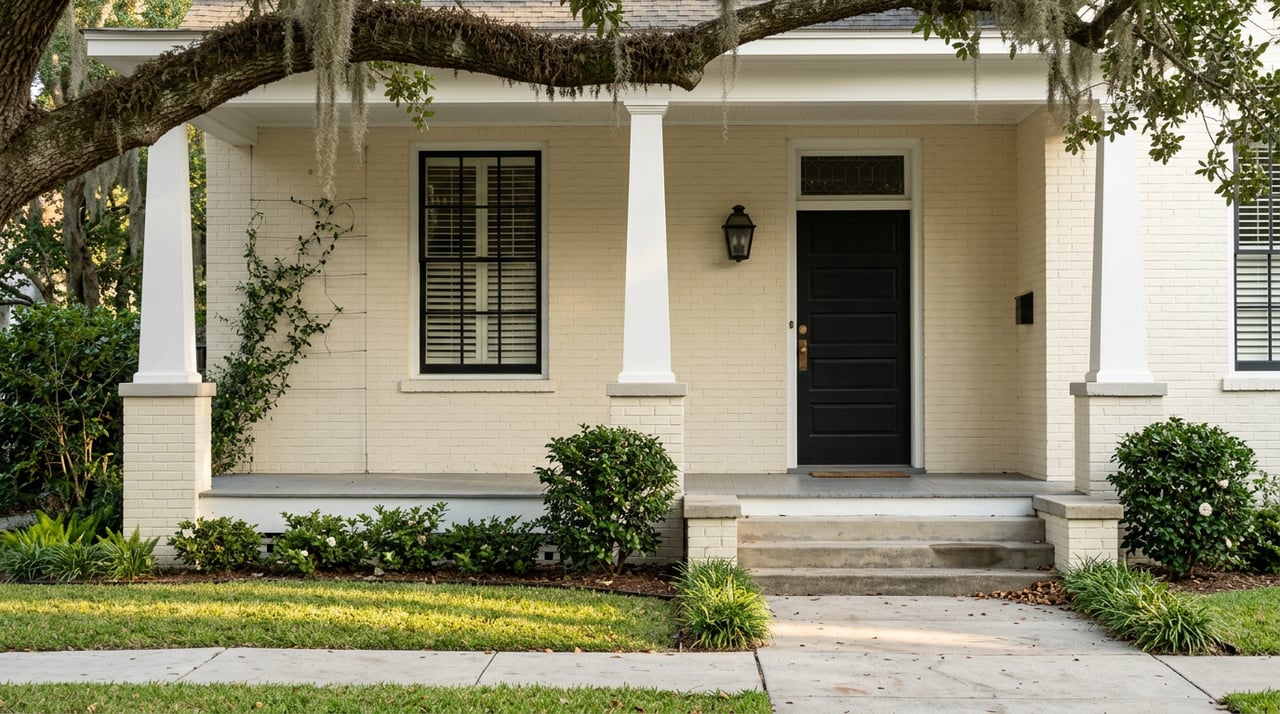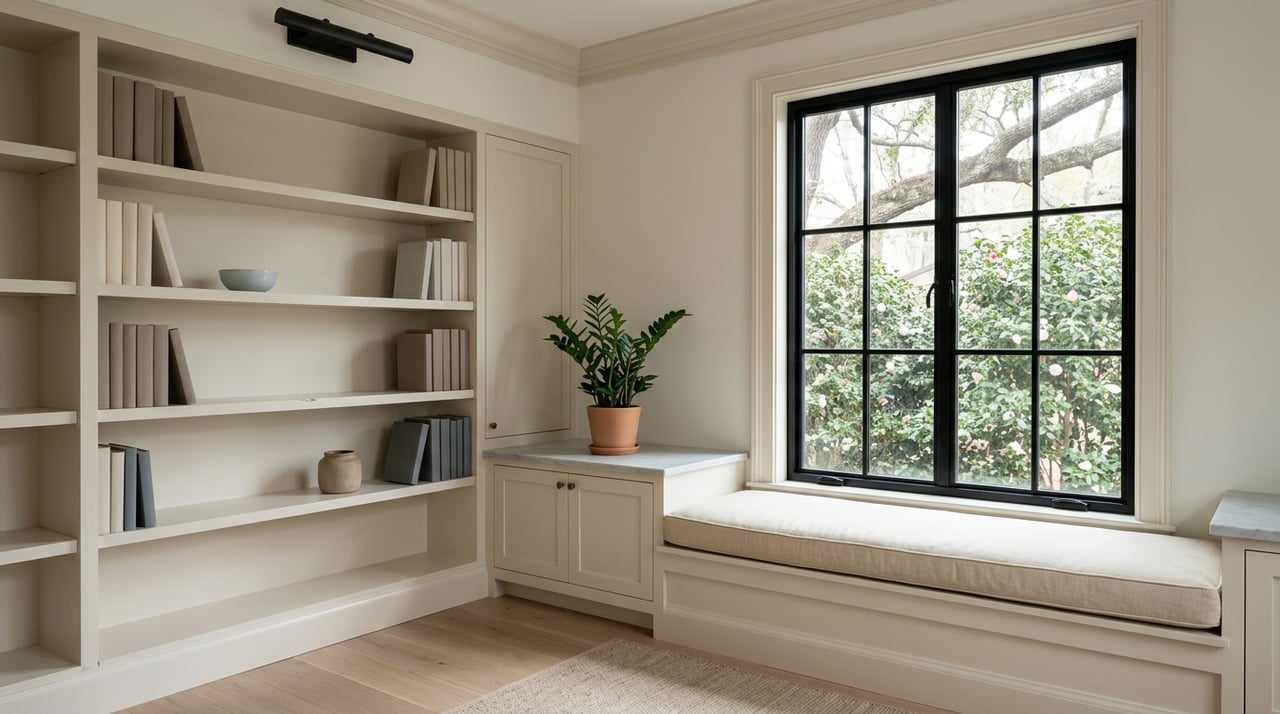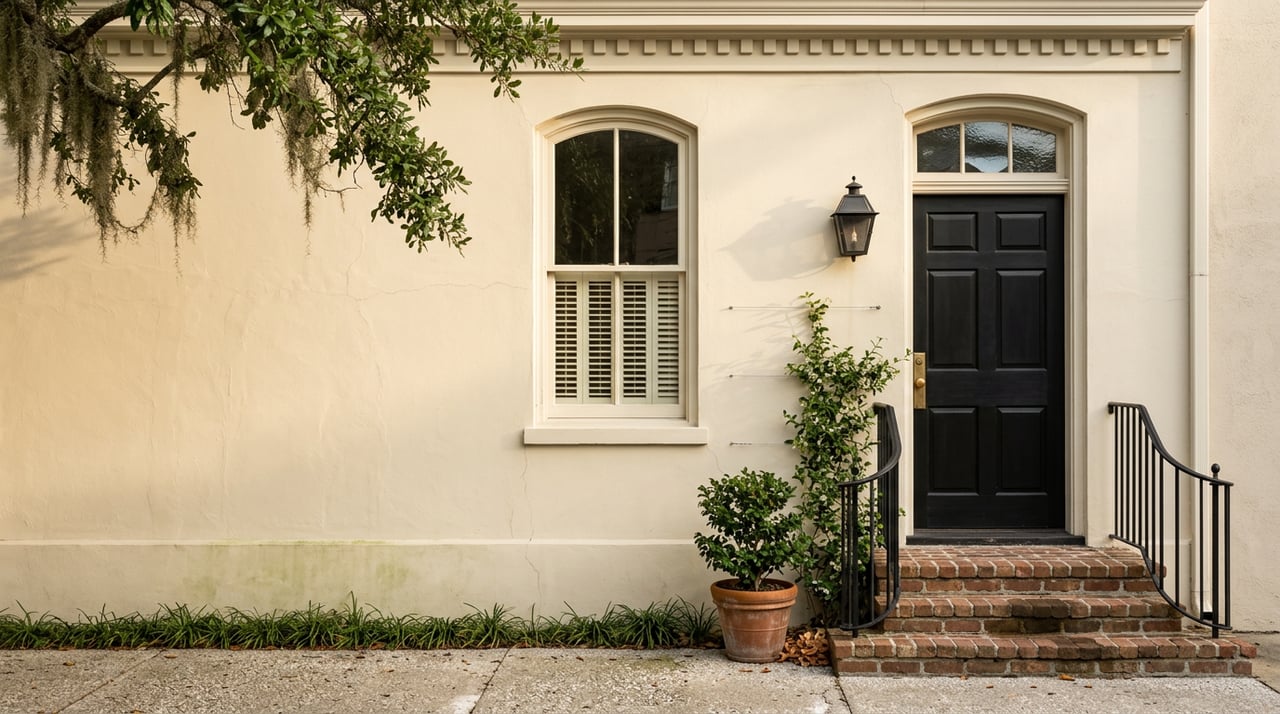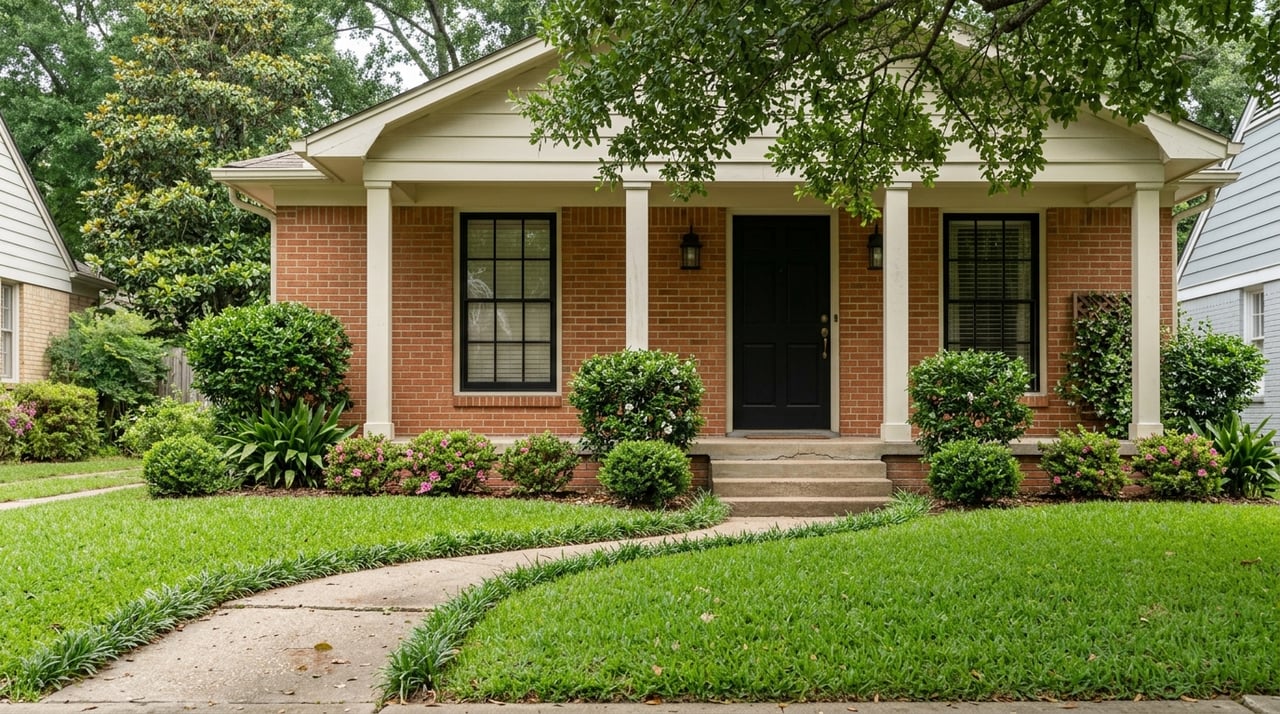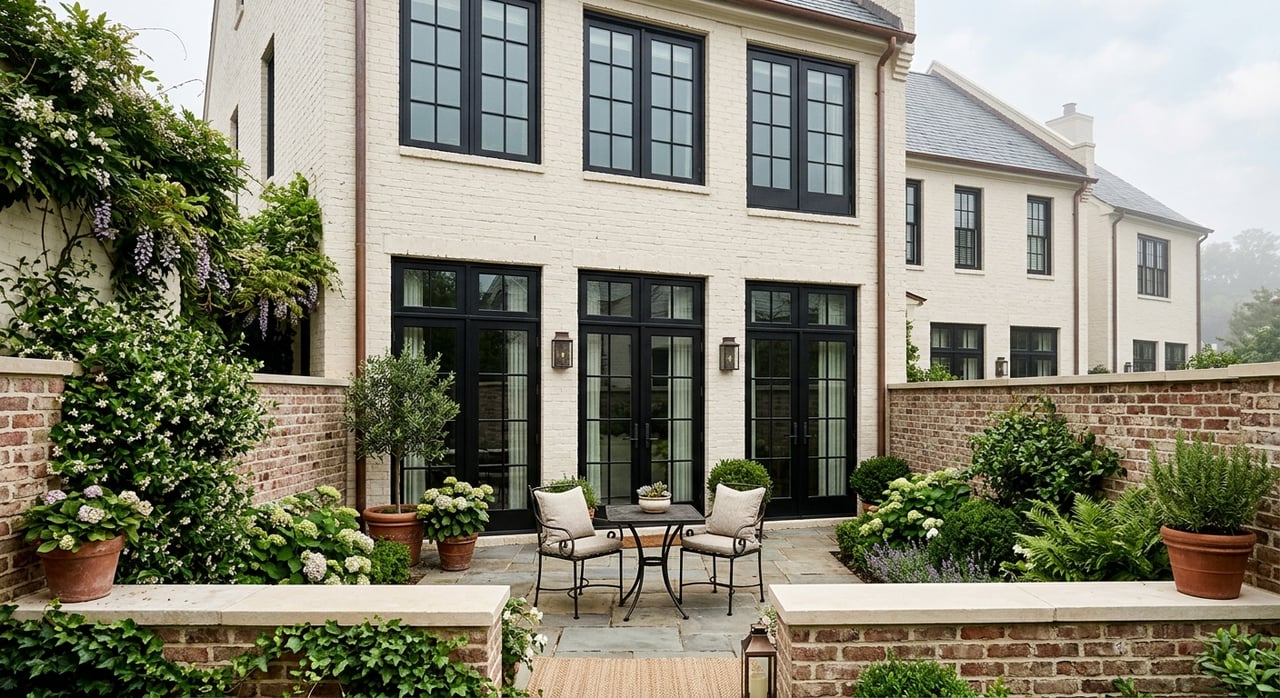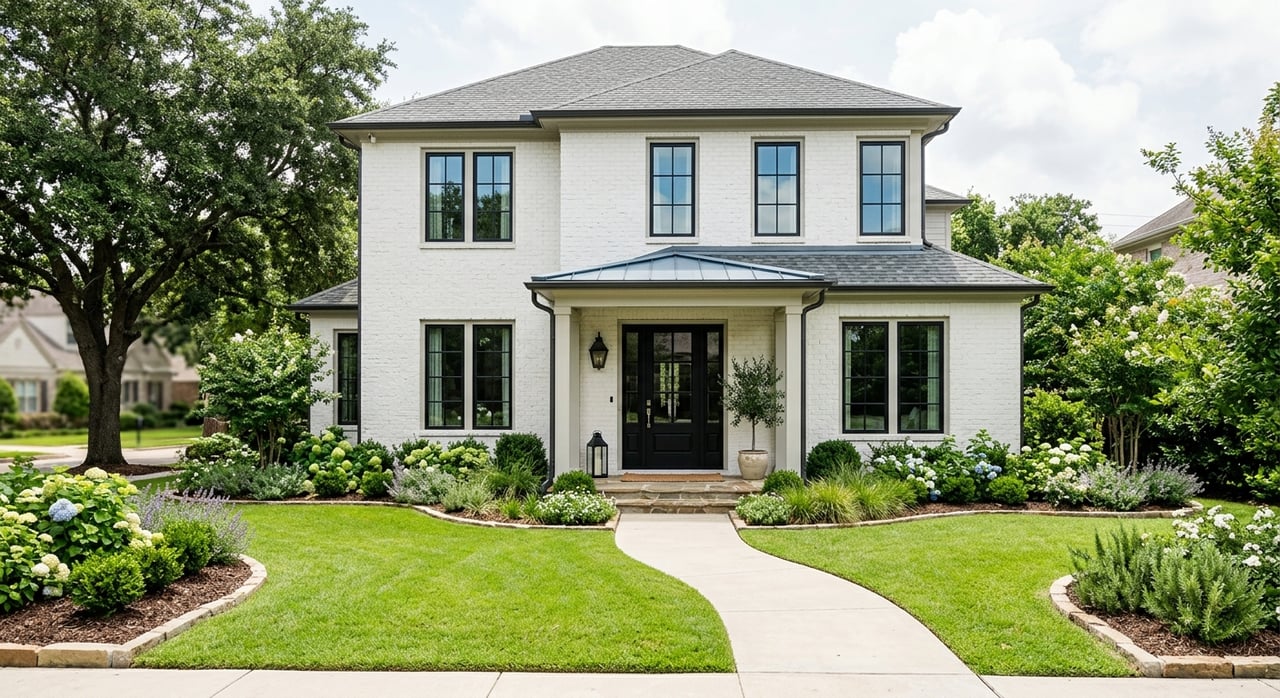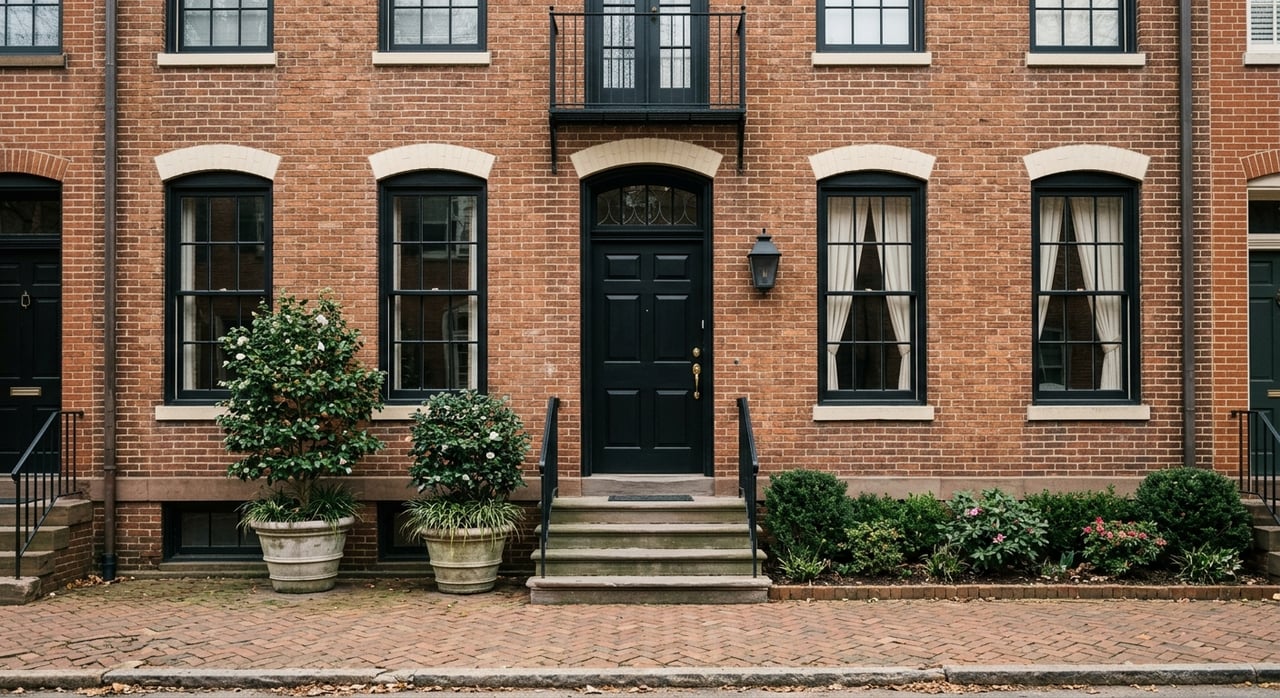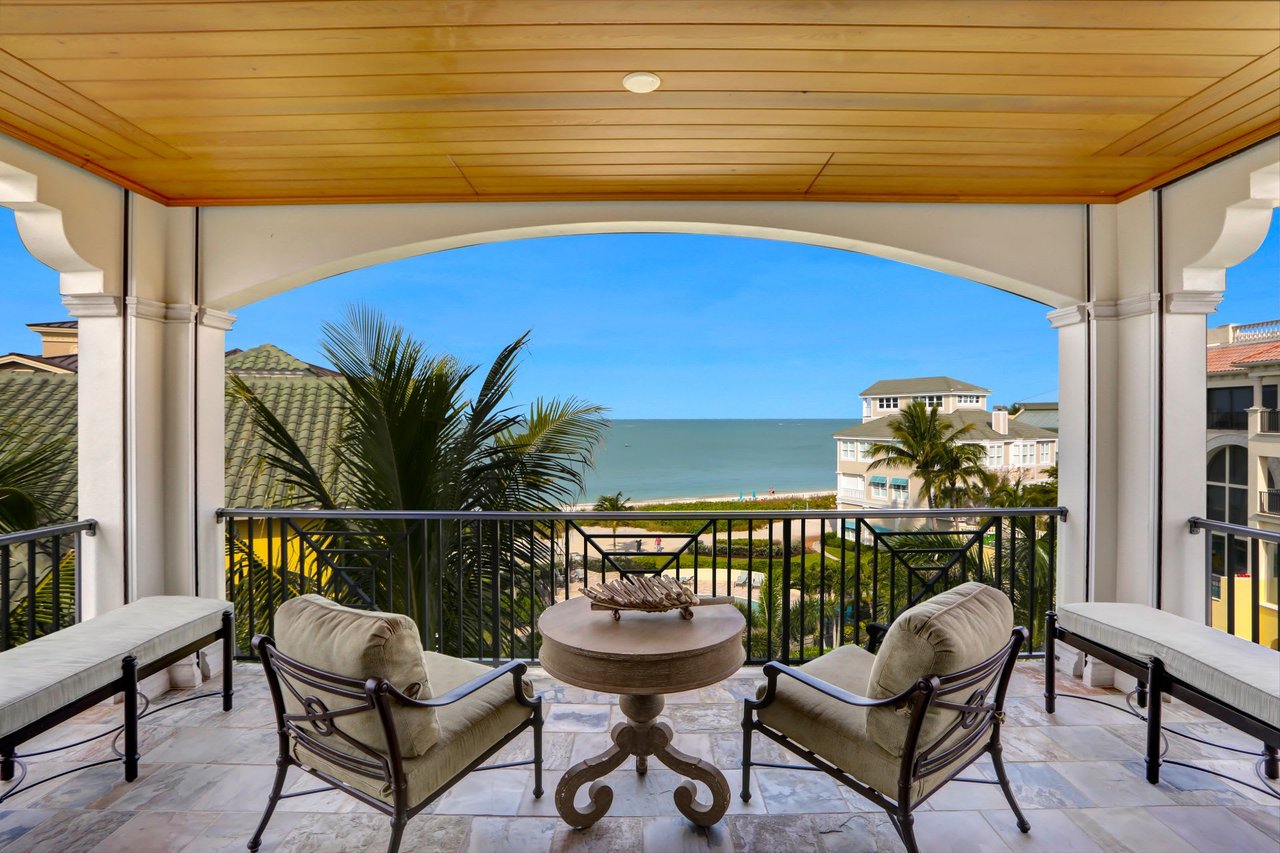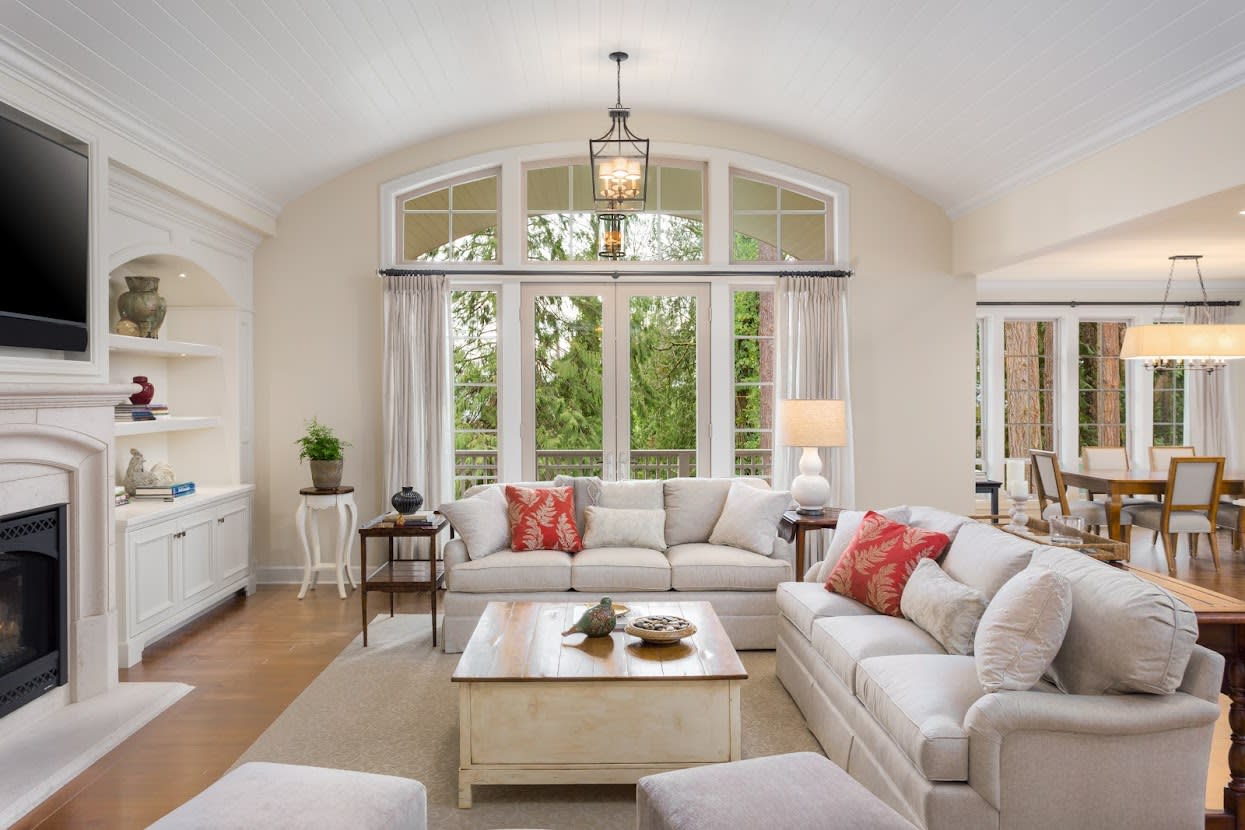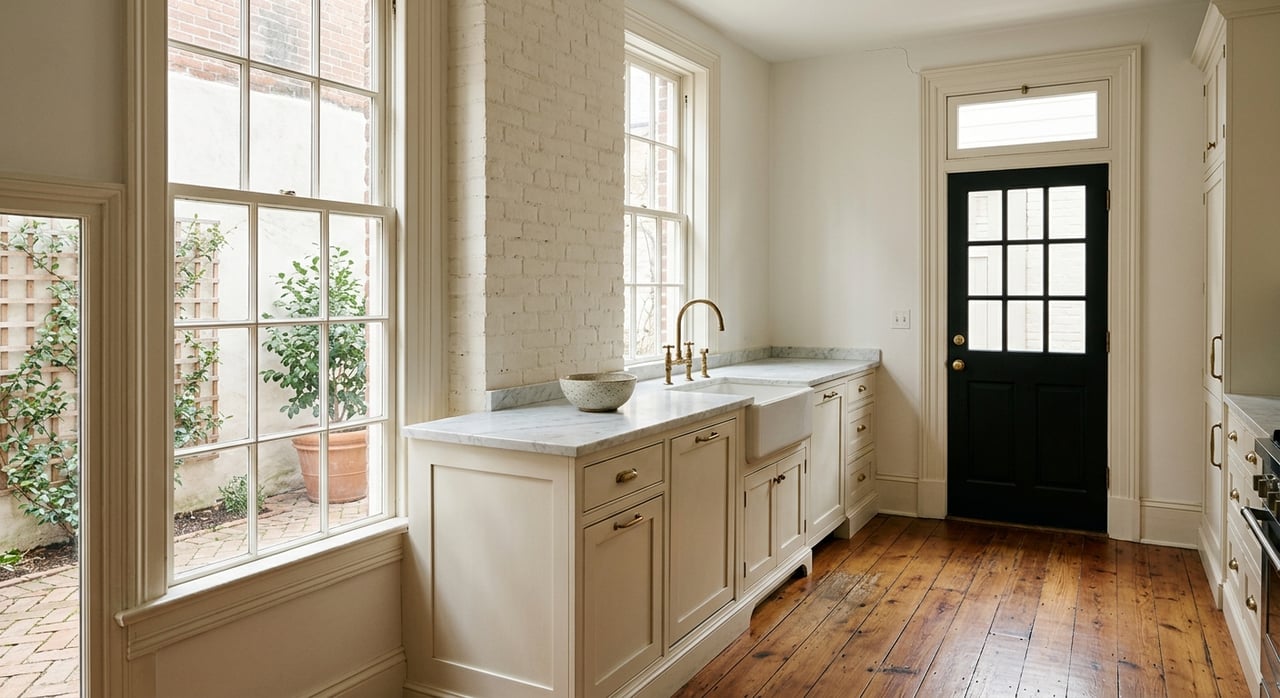
If you have ever fallen for a Savannah row house, a tucked-away courtyard, or a front door that looks like it has a century of stories behind it, you already understand the appeal of buying in downtown Savannah. A historic home here can offer charm, walkable city living, and architectural details that newer construction rarely matches. It can also come with extra rules, more detailed due diligence, and a maintenance approach that looks very different from a typical suburban purchase. This guide will help you understand what to expect before you buy in the Historic District. Let’s dive in.
What makes downtown Savannah unique
Savannah’s downtown core is not just old. It is one of the country’s most intact colonial-era city plans, with the original framework dating back to 1733. According to the National Park Service, the historic district includes rigid grid streets, linear brick walkways, more than 1,100 residential and public buildings, and 24 squares.
For you as a buyer, that usually means a home with real age and real character. You may find plaster walls, long-lasting original windows, older materials, and floorplans or lot layouts that do not behave like a newer subdivision home. That uniqueness is often the point, but it also means you should expect some irregularity.
Downtown properties can also function differently from homes in more modern neighborhoods. The City of Savannah notes that some downtown structures may have no setback requirement, and certain parking reductions or exemptions may apply. In other words, the way the property sits on the lot, accesses parking, or fits into the streetscape may feel very different from what you are used to elsewhere.
Historic District rules matter
Local rules shape exterior work
One of the biggest things to understand before you buy is that local historic rules can affect what you can do to the property. Savannah’s Downtown Historic District is a local historic overlay with design standards and visual compatibility criteria.
The city says that new construction and most renovations are reviewed by historic preservation staff through the MPC and either the Historic Preservation Commission or the Downtown Historic District Board of Review. If your project changes the exterior, or involves a renovation where the exterior is affected, a Certificate of Appropriateness is generally required.
Some smaller items may be handled by staff. More complex projects often go before the full board. If you are thinking about replacing windows, changing doors, modifying exterior materials, or making visible additions, you need to know the review path before you close.
Verify the parcel before you plan
Do not assume every downtown property is governed in the same way. Savannah’s zoning resources say the zoning map is the way to determine the district, and historic districts can also carry rules for off-street parking, signage, and visual compatibility.
If the property is within the Landmark Historic District, the city specifically directs applicants to contact the Historic Preservation Office to confirm whether special requirements apply. That is an important step if you are buying with renovation goals in mind.
National recognition is not the same as local regulation
This is a common source of confusion for buyers. Georgia DCA says that National Register or Georgia Register listing does not by itself restrict the use, treatment, transfer, or disposition of private property.
In practical terms, the local Savannah overlay and permit process are what usually affect your renovation plans. If you are buying a historic home because you want to update the exterior right away, those local rules should be part of your decision from day one.
What to inspect before buying
Historic homes deserve a more careful due diligence process. The goal is not to be scared off. The goal is to understand the property clearly so you can budget wisely and avoid surprises.
Start with moisture and drainage
The National Park Service says uncontrolled moisture is the most prevalent cause of deterioration in older and historic buildings. The source may involve roof condition, site drainage, groundwater, humidity, plumbing, or HVAC systems.
That matters even more in Savannah because the city notes that many acres in Chatham County are floodplains due to flat coastal topography and proximity to the Atlantic Ocean, Savannah River, and tidal creeks. When you evaluate a property, pay close attention to roof age, visible staining, crawlspace or basement conditions if applicable, drainage patterns, and signs of ongoing dampness.
Look closely at windows, doors, and plaster
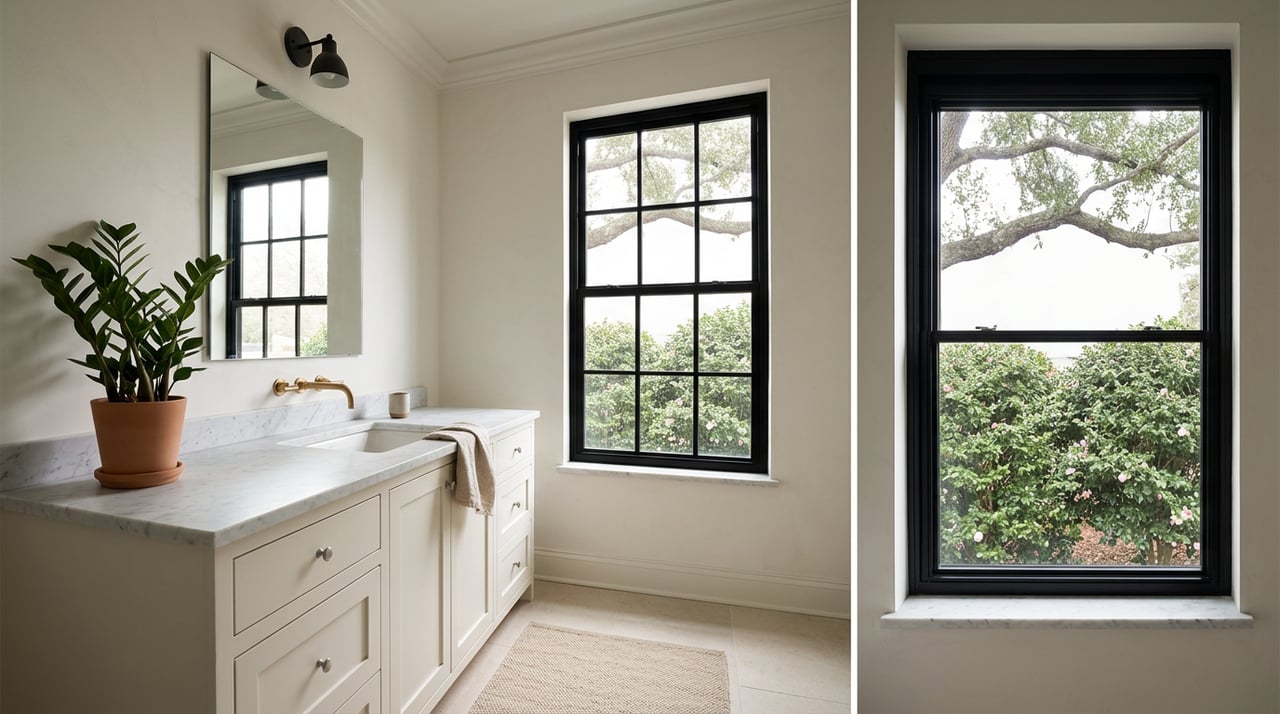
Historic materials often need a different mindset. The National Park Service recommends a repair-first approach for historic windows and notes that storm windows and weatherstripping can improve performance without replacing the original unit.
The same careful thinking applies to plaster. Since plaster was a standard interior finish for decades, its presence in a historic Savannah home is not unusual. Rather than assuming it should be removed, it is often worth evaluating its condition and understanding what repair may involve.
Check for lead-related risks
If the home was built before 1978, lead-based paint is a key part of due diligence. The EPA says older homes are more likely to have lead-based paint, and buyers have a 10-day period to inspect for lead hazards.
This also matters if you plan to renovate after purchase. The EPA says paid renovation work that disturbs painted surfaces in pre-1978 homes must be completed by certified firms using lead-safe work practices.
Ask about wood infestation inspections
In Georgia, a wood infestation inspection is a common request during the buying process. The Georgia Department of Agriculture says buyers often request a Georgia Wood Infestation Inspection Report, sometimes called a termite letter.
These inspections address termites, wood-boring beetles, and wood-decay fungi. On an older home, this is not a step to skip.
Confirm flood-zone details early
Flood due diligence should happen early, not at the end. Savannah maintains flood-determination and elevation-certificate resources, and FEMA’s Flood Map Service Center is the official source for flood hazard maps.
The city also adopted two feet of freeboard above base flood elevation for new and substantially improved structures within the 100-year floodplain, effective January 1, 2025. If you are buying a home that may need major improvements later, flood requirements can affect scope, timing, and budget.
Plan renovations the right way
Bring in qualified help early
If you are buying a historic home with plans to improve it, early planning can save you time and money. Savannah encourages owners, architects, designers, consultants, and contractors to bring projects to Building Plan Review meetings at any stage.
That can be especially helpful if you are still deciding what is feasible. The city’s permit checklist also expects a Part 2 Certificate of Appropriateness when new construction is in a designated historic district or when a renovation affects the exterior.
Use licensed and appropriate professionals
Savannah requires properly licensed Georgia contractors for work the owner does not perform. For older homes, it is especially important to work with professionals who understand repair-first preservation thinking instead of treating the house like a standard remodel.
That is true for painters, contractors, and specialists evaluating moisture or historic materials. If the home is pre-1978 and painted surfaces will be disturbed, the EPA says the contractor should be lead-safe certified.
Repair first is often the smarter path
With historic properties, replacement is not always the best answer. The National Park Service notes that many historic windows have lasted more than 100 years and are often better repaired than replaced.
The same idea applies to diagnosing bigger issues. Moisture problems, material deterioration, and performance concerns should be evaluated systematically before you remove original features or commit to a major overhaul.
Tax incentives may help your budget
Historic ownership can come with extra costs, but Georgia offers programs that may help offset some rehabilitation expenses. Georgia DCA says the state income tax credit equals 25% of qualifying rehabilitation expenses, capped at $100,000 for a principal residence.
As of 2026, owner-occupied homes in local historic districts can qualify with a local designation confirmation form. DCA also says the preferential property tax assessment program freezes county assessment for about 8.5 years for eligible principal residences and income-producing properties.
There is also a federal rehabilitation tax credit of 20%, but DCA says that credit is only available for income-producing properties. Because these programs require compliance with rehabilitation standards, it is smart to involve preservation staff and a tax adviser early if incentives are part of your plan.
Is a historic home right for you?
Buying a historic home in downtown Savannah can be deeply rewarding if you value architecture, setting, and the feel of living in one of the city’s most distinctive areas. You are not just buying square footage. You are buying into a place with long-standing urban form, original materials, and a very specific ownership experience.
The tradeoff is fairly simple. You may face more process, more upkeep, and more specialized due diligence than you would with a newer home.
For many buyers, that tradeoff is absolutely worth it. The key is going in with clear expectations, a realistic budget, and local guidance that helps you evaluate the property, the rules, and the work ahead with confidence.
If you are considering a historic purchase in downtown Savannah, Mcintosh Realty Team can help you navigate the details, understand the process, and move forward with experienced local support.
FAQs
What should buyers know about historic homes in downtown Savannah?
- Buyers should expect older materials, distinctive architecture, and a repair-first maintenance mindset, along with added due diligence around moisture, flood factors, lead-related risks, and wood infestation.
What rules apply to exterior changes on homes in Savannah’s Historic District?
- Savannah generally requires a Certificate of Appropriateness for exterior changes and for renovations where the exterior is affected, with review handled by preservation staff or the appropriate board depending on the project.
What inspections matter when buying a historic home in Chatham County?
- Key areas include moisture and drainage, roof condition, windows, plaster, lead hazards in pre-1978 homes, flood-zone verification, and a Georgia Wood Infestation Inspection Report for termites and related issues.
What should buyers know about flood zones for historic homes in Savannah?
- Buyers should review official flood hazard maps, check local flood-determination resources, and understand that flood-related requirements can affect future substantial improvements and renovation costs.
Are there tax incentives for renovating a historic home in Georgia?
- Georgia may offer a state income tax credit for qualifying rehabilitation expenses and a preferential property tax assessment program for eligible properties, while the federal rehabilitation credit applies only to income-producing properties.