Wondering whether Pooler can actually make your Savannah-area routine easier? That is a smart question, especially if you are balancing work, school, errands, and the kind of home you want at the end of the day. If you are weighing Pooler against other Savannah-area options, this guide will help you understand how the commute, housing mix, and everyday convenience line up so you can decide with confidence. Let’s dive in.
Why Pooler stands out for commuters
Pooler is built around access. Its location near I-95 and I-16 gives you a practical advantage if your week revolves around driving to work, running errands, or getting across the west side of the Savannah metro.
According to Visit Pooler, the city has exits 102 and 104 off I-95 and sits just one exit off I-16. That roadway pattern is a big reason Pooler often appeals to buyers who want suburban living with strong highway connections rather than an in-town, walkable setup.
What the road network means for you
If your daily routine depends on easy interstate access, Pooler can be a strong fit. You may find it especially convenient if your destination is closer to the airport corridor, west-side employers, or places that are easier to reach without driving through the heart of Savannah.
That said, convenience on paper is not always the same as convenience in real life. Pooler sits in the middle of a busy growth corridor, so your experience may depend on when you travel, where you need to go, and how much traffic variability you are comfortable with.
Road projects could shape future commutes
The City of Pooler has announced transportation work on Pooler Parkway from the I-95 ramps through Benton Boulevard, along with a separate expansion project at Pine Barren Road and Pooler Parkway. These projects point to continued growth and continued pressure on some of the same roads many residents already use.
GDOT is also advancing I-16 widening from I-95 to SR 67, with Pooler Parkway included in the corridor map. The project is still in early concept development, and construction is expected in 2027 if schedules stay on track.
Why interstate traffic matters here
GDOT describes the I-16 and I-95 area as one of Georgia’s busiest freight corridors and a gateway to the Port of Savannah. For you, that means Pooler benefits from major transportation infrastructure, but it also means traffic can be part of everyday life.
If you prefer quick interstate access and can work around busier travel periods, Pooler may feel practical and efficient. If you are very sensitive to highway traffic, that is something worth weighing carefully before you choose where to live.
Which Savannah-area destinations fit Pooler best
Pooler tends to make the most sense when your work, school, or regular appointments are tied to the west side of the metro or to places that connect well to the interstate network. The closer your routine is to those corridors, the more natural Pooler usually feels.
Here are some of the major regional destinations that shape that picture.
Airport and aviation jobs
Savannah/Hilton Head International Airport is one of the clearest examples of why Pooler works well for some commuters. The airport is closely tied to Exit 104 off I-95, and it remains a major employment and travel hub for the area.
Gulfstream is another major employer in the regional picture. The company says its Savannah campus includes its worldwide headquarters, research and development, manufacturing, completion facilities, and customer support functions, making it a major destination for many area workers.
Port and logistics access
If your job relates to freight, warehousing, transportation, or port activity, Pooler may offer a practical base. GDOT says the Port of Savannah handles 80% of the ship-borne cargo entering Georgia, which shows how important logistics is to the region’s economy.
Even if your job is not at the port itself, many related roles depend on highway access. In that kind of schedule, Pooler’s location can be a real advantage.
Hospitals and healthcare destinations
Healthcare workers and patients often look at commute patterns a little differently. Memorial Health University Medical Center is located on Waters Avenue in Savannah, while St. Joseph’s/Candler has anchor hospitals on Savannah’s south side and in Midtown.
St. Joseph’s/Candler also states that its Pooler Campus is located right off Pooler Parkway, just minutes from I-16 and I-95. For many residents, that local campus can add convenience for routine care and outpatient needs, even if their main workplace or specialty care is elsewhere in Savannah.
Military and defense-related commutes
Fort Stewart-Hunter Army Airfield is one of the biggest employment anchors in Coastal Georgia. The Army says Stewart-Hunter employs more than 25,500 people and has a combined economic impact of $4.9 billion in the region.
For households connected to military or defense-related work, commute fit depends heavily on the exact duty location. Pooler can still be part of the conversation, but this is one case where your specific destination matters more than broad regional geography.
College and technical school access
Pooler can also make sense if you need to reach certain campuses. Savannah Technical College’s Crossroads Campus is off I-95 at 190 Crossroads Parkway, making it one of the more Pooler-friendly higher education options in the area.
Georgia Southern’s Armstrong Campus and Savannah State University are both in Savannah, so your experience will depend on how often you need to be on campus and what route you take. If school access is a major factor, it helps to compare the trip with your full weekly schedule, not just one drive.
What kind of home life Pooler offers
Commute fit is only part of the decision. You also need to like what your day-to-day life looks like once you get home.
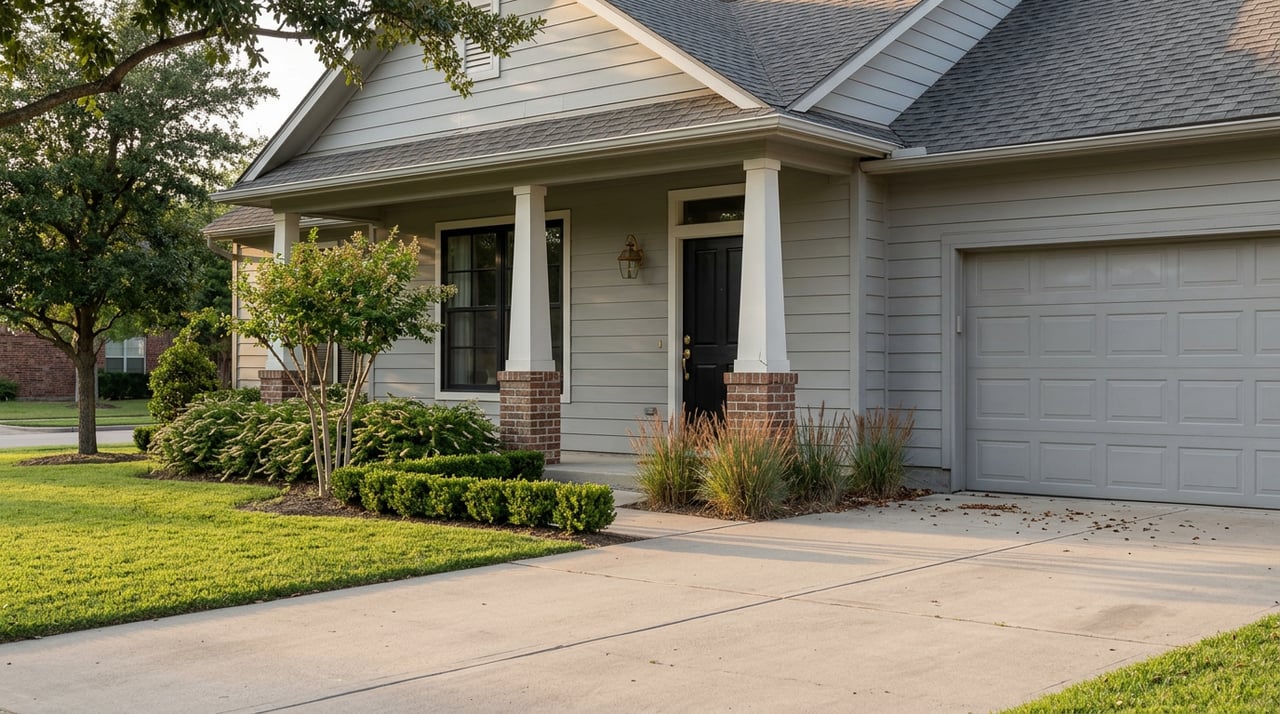
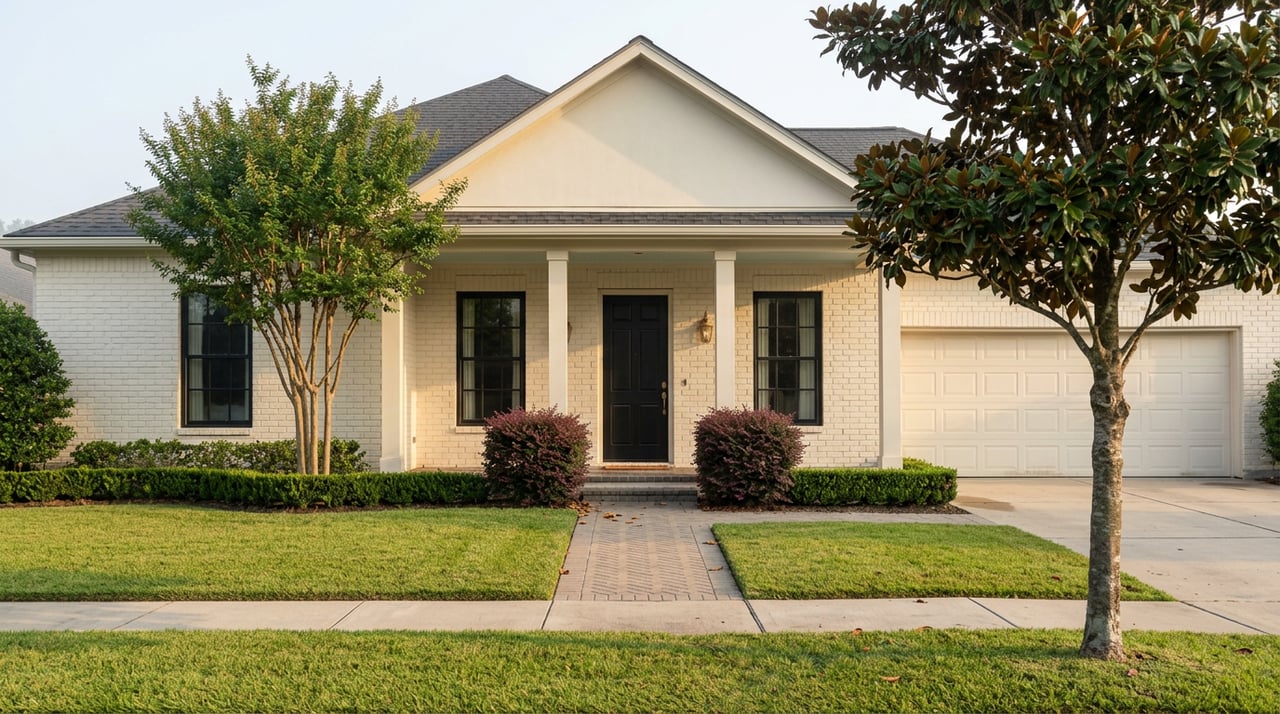
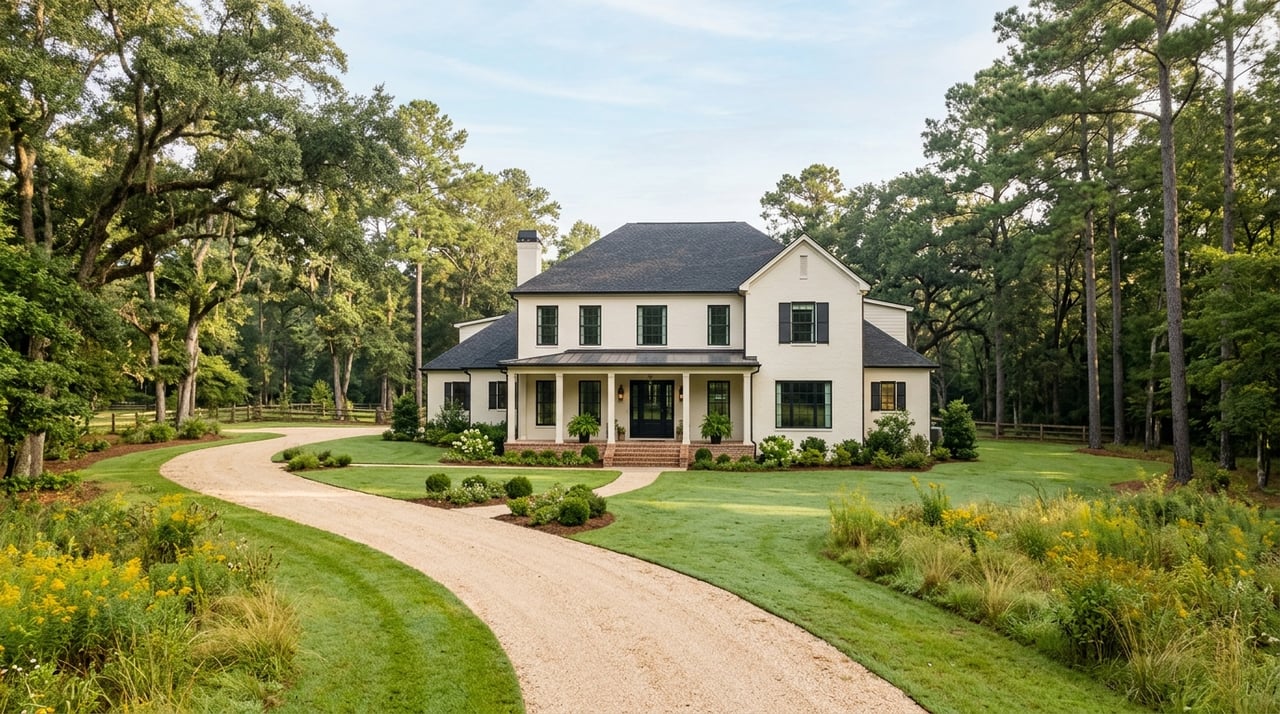
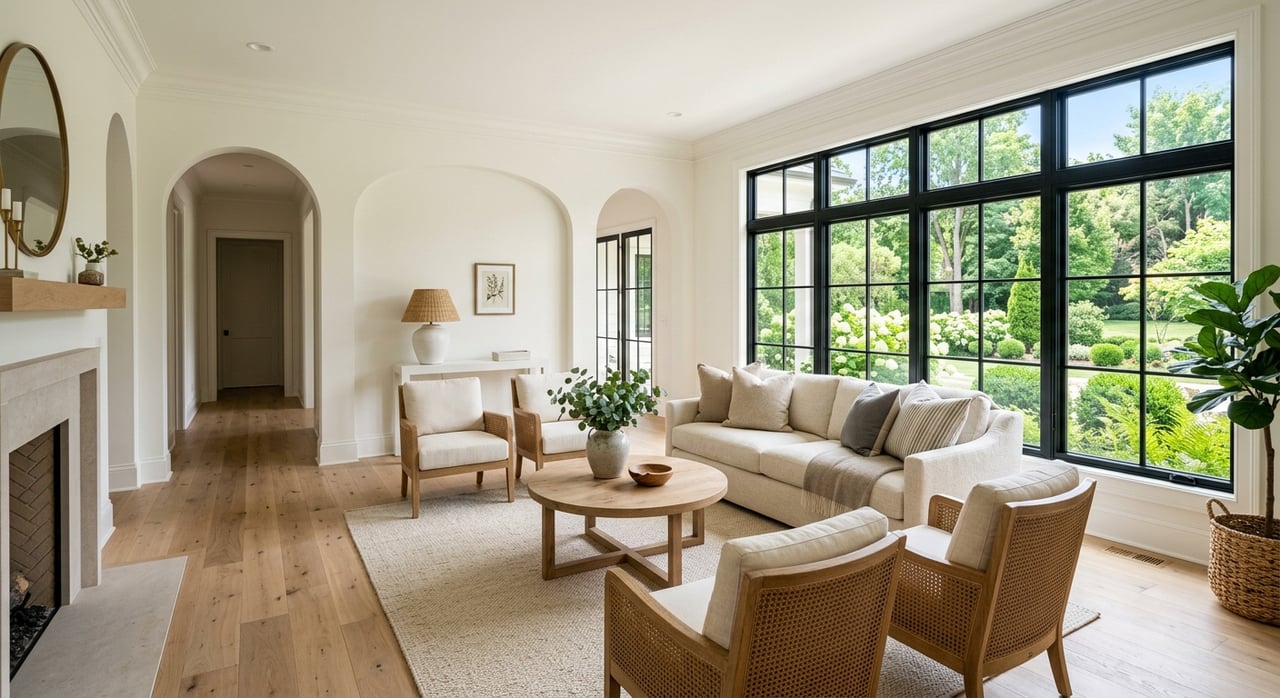
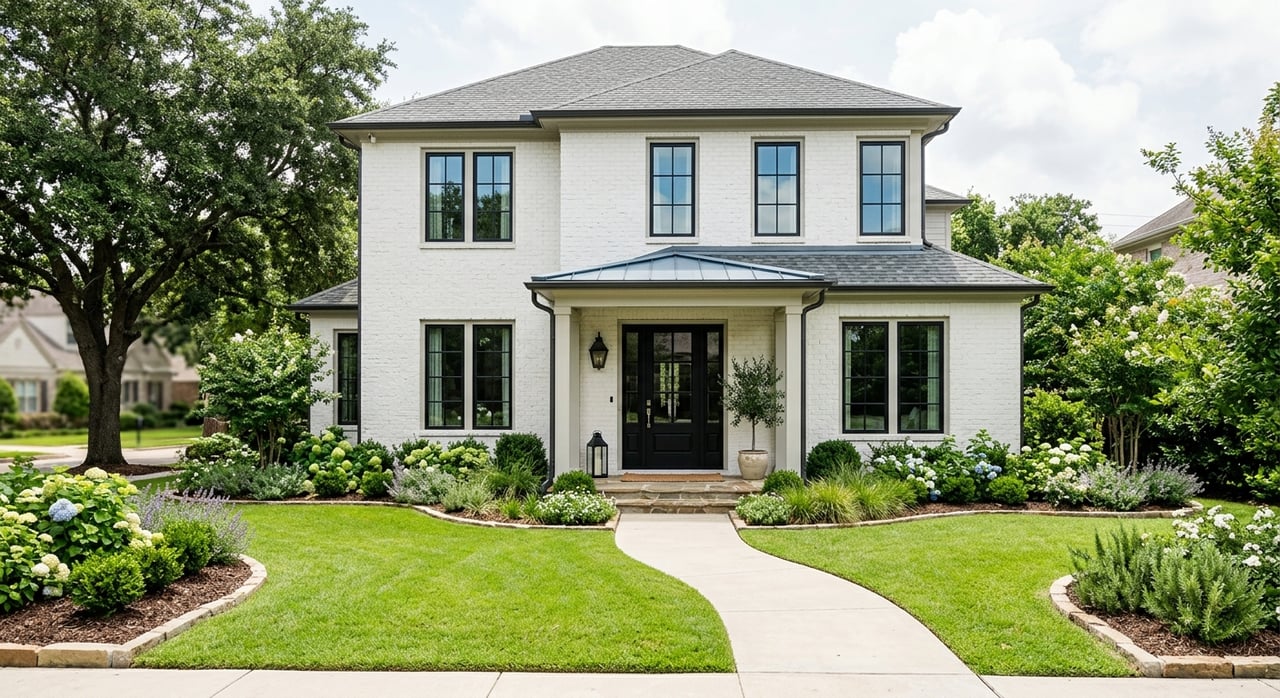
Pooler is generally oriented toward suburban living. If you want newer neighborhoods, more traditional residential patterns, and room to spread out compared with more urban parts of Savannah, that may be a plus.
Pooler’s housing mix is broader than many buyers expect
The city’s draft impact-fee report estimates 15,105 housing units in 2025. That includes 10,218 single-family units and 4,887 multi-family units, and the single-family category includes detached homes, attached townhome-style units, and mobile-home units.
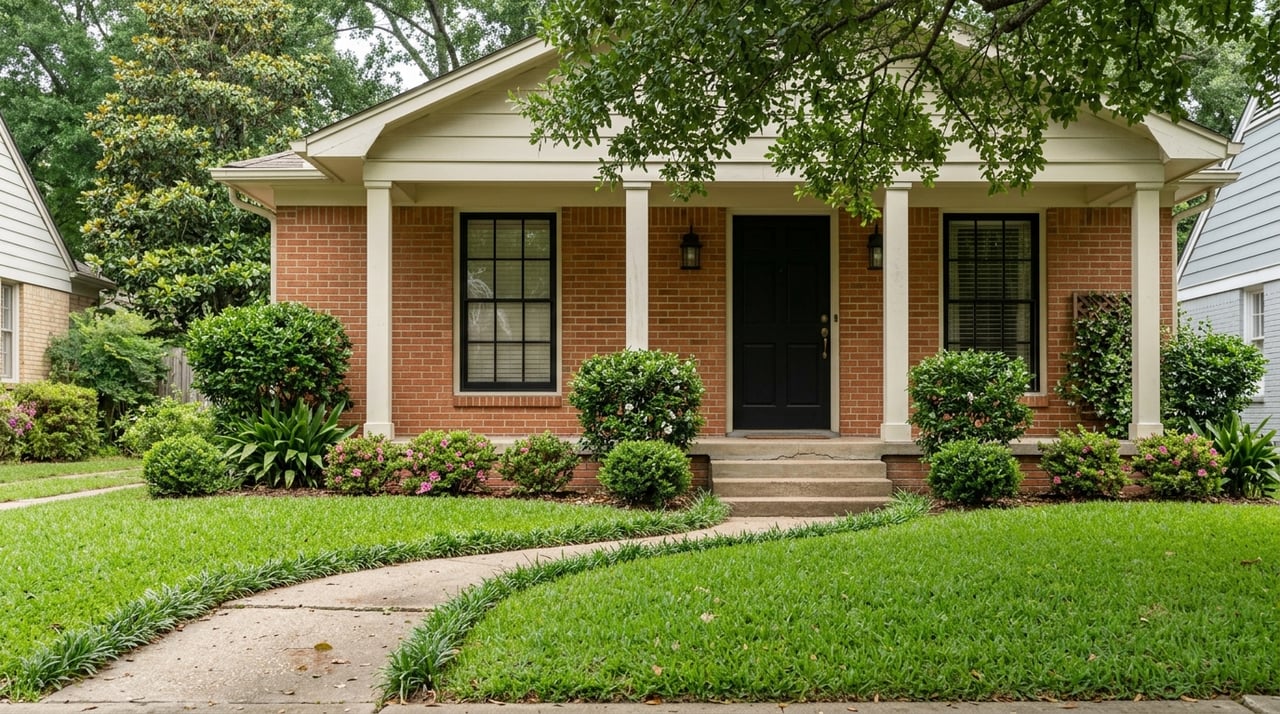
The city’s 2040 comprehensive plan also showed detached single-family housing as the dominant type in earlier ACS data. In practical terms, that means Pooler is not limited to one type of buyer. You can find options that may work for first-time buyers, commuters who want lower maintenance, and households looking for a more traditional suburban home.
Current price expectations in Pooler
Recent local market snapshots place Pooler solidly in the mid-$300,000s, though the exact number varies by source. Redfin reported a March 2026 median sale price of $360,000, Zillow reported an average home value of $348,813 as of April 30, 2026 and a March 2026 median sale price of $346,697, and Realtor.com reported a median listing price of $379.9K.
Those figures are not identical because they measure different parts of the market. Still, together they give you a useful baseline if you are comparing Pooler with other Savannah-area communities.
How everyday convenience compares
For many buyers, commute time is only half the story. The other half is how much of your life you can handle close to home.
Pooler has a strong retail presence of its own, which can help cut down on extra driving during the week. That matters if you want to keep shopping, errands, and basic services on your side of the metro as much as possible.
Retail and errands stay close
Tanger Savannah says it is located directly off I-95 at Exit 104 in Pooler and includes more than 95 name-brand stores. Costco also has a Pooler warehouse, and the airport offers on-site shops, restaurants, and services.
That concentration of amenities can make daily life feel more efficient. Instead of driving into Savannah for every errand, you may be able to handle much of your routine right in or around Pooler.
When Pooler is the right fit
Pooler often works best if you value three things: highway access, suburban housing, and nearby retail. It can be especially appealing if your routine is tied to the airport corridor, Gulfstream, logistics-related work, a hospital campus, or a west-side school destination.
It may also suit you if you want a home base that feels practical for daily driving and offers a range of housing choices. For relocating buyers, that combination can make the transition feel easier and more predictable.
When Pooler may not be the best fit
Pooler is usually a less natural match if your top priority is a walkable, in-town Savannah lifestyle. If you picture stepping out to a more urban street pattern and doing more on foot, Pooler’s layout may not give you the experience you want.
It may also be less ideal if interstate traffic is a major frustration for you. Since so much of Pooler’s appeal is tied to the highway network, buyers who dislike that type of driving should compare it carefully with other areas.
A simple way to decide
If you are trying to decide whether Pooler fits your Savannah commute, focus on your real weekly pattern. Look at where you work, where you shop, where you go for appointments, and how often you need to cross town.
Then balance that against the kind of home and neighborhood setting you want. In many cases, Pooler is strongest for buyers who prioritize access and convenience over urban walkability.
If you want help comparing Pooler with other Savannah-area communities, Mcintosh Realty Team can help you weigh commute patterns, housing options, and lifestyle fit so you can move forward with clarity.
FAQs
Is Pooler a good place to live if you commute to Savannah?
- Pooler can be a good fit if your routine benefits from I-95 and I-16 access, especially for airport, west-side, healthcare, logistics, or similar regional destinations.
Is Pooler better for highway access or walkability?
- Pooler is generally better known for highway access and suburban convenience than for a primarily walkable in-town lifestyle.
What types of homes are common in Pooler?
- Pooler has a housing mix that includes many single-family homes along with multi-family options, and city data shows single-family housing remains the dominant type.
What is the typical home price range in Pooler?
- Recent market snapshots from multiple sources place Pooler home values and prices in the mid-$300,000s, though the exact figure varies by the metric used.
Are there everyday amenities in Pooler, GA?
- Yes. Pooler has major retail and service options, including Tanger Savannah, Costco, and airport-area amenities that can help keep errands close to home.
Is Pooler a good choice for airport or Gulfstream workers?
- Pooler is often a practical option for buyers whose work is tied to the airport corridor or Gulfstream because of its location near major interstate access points.