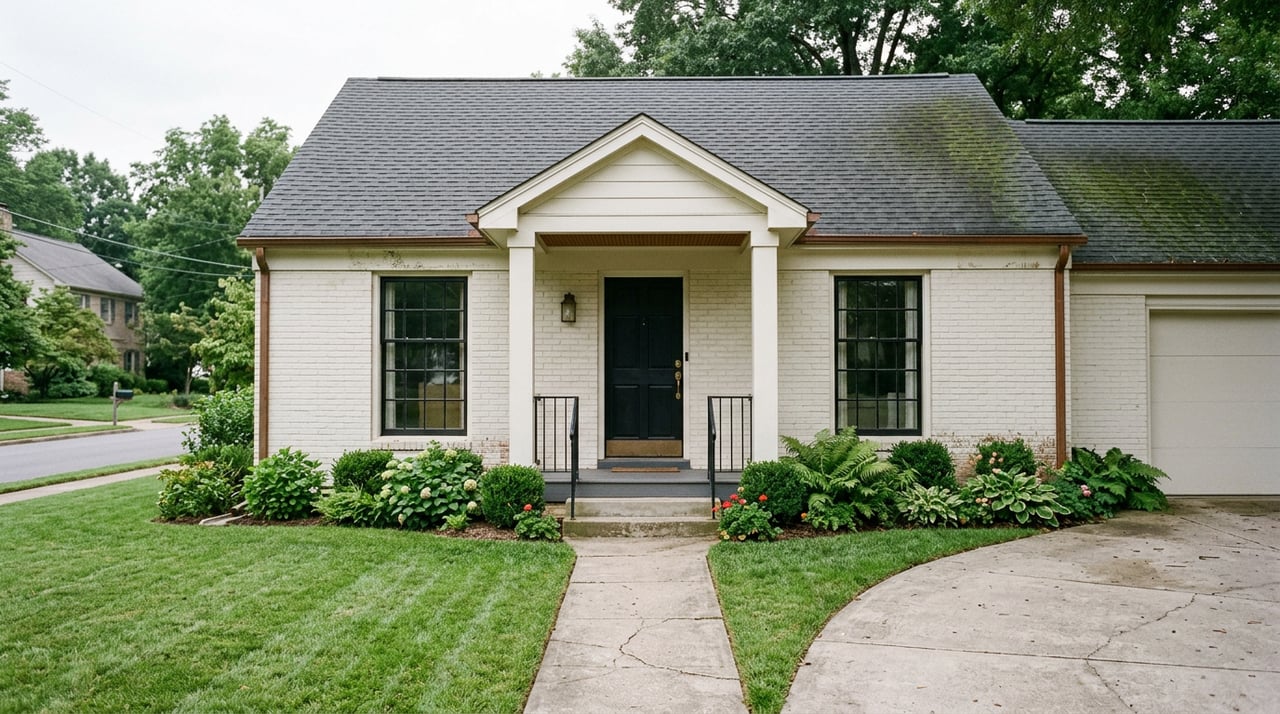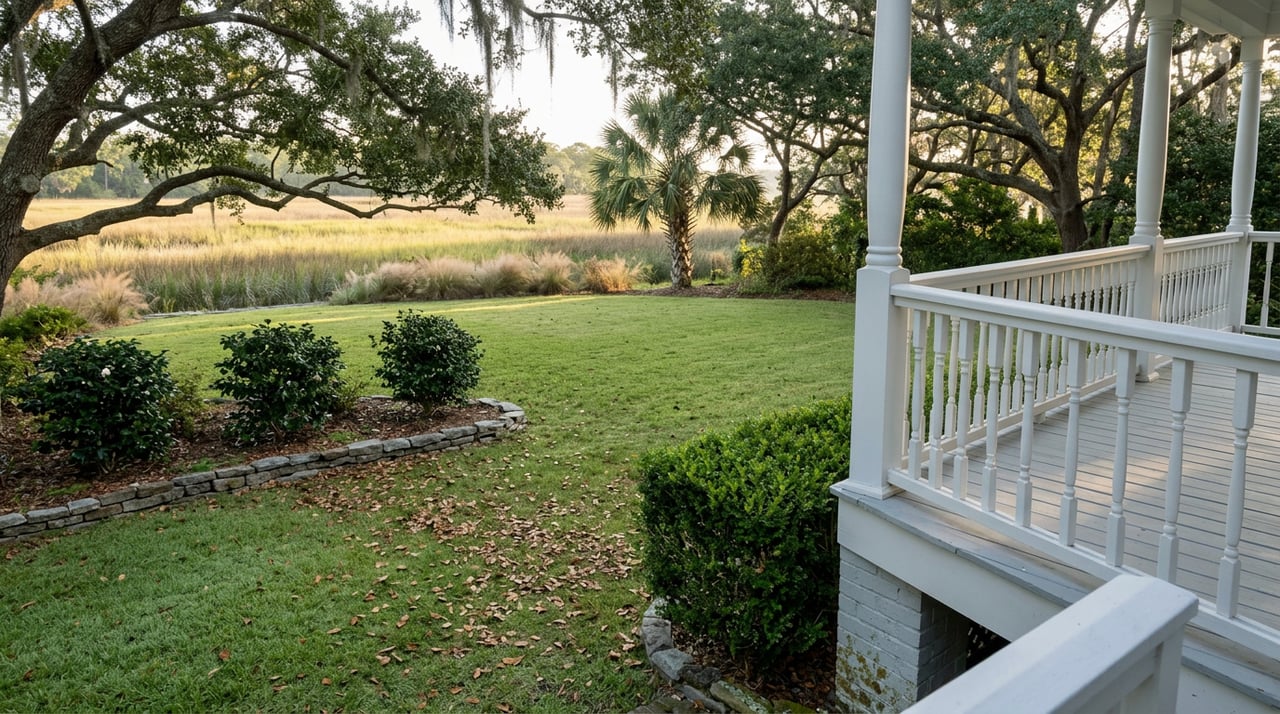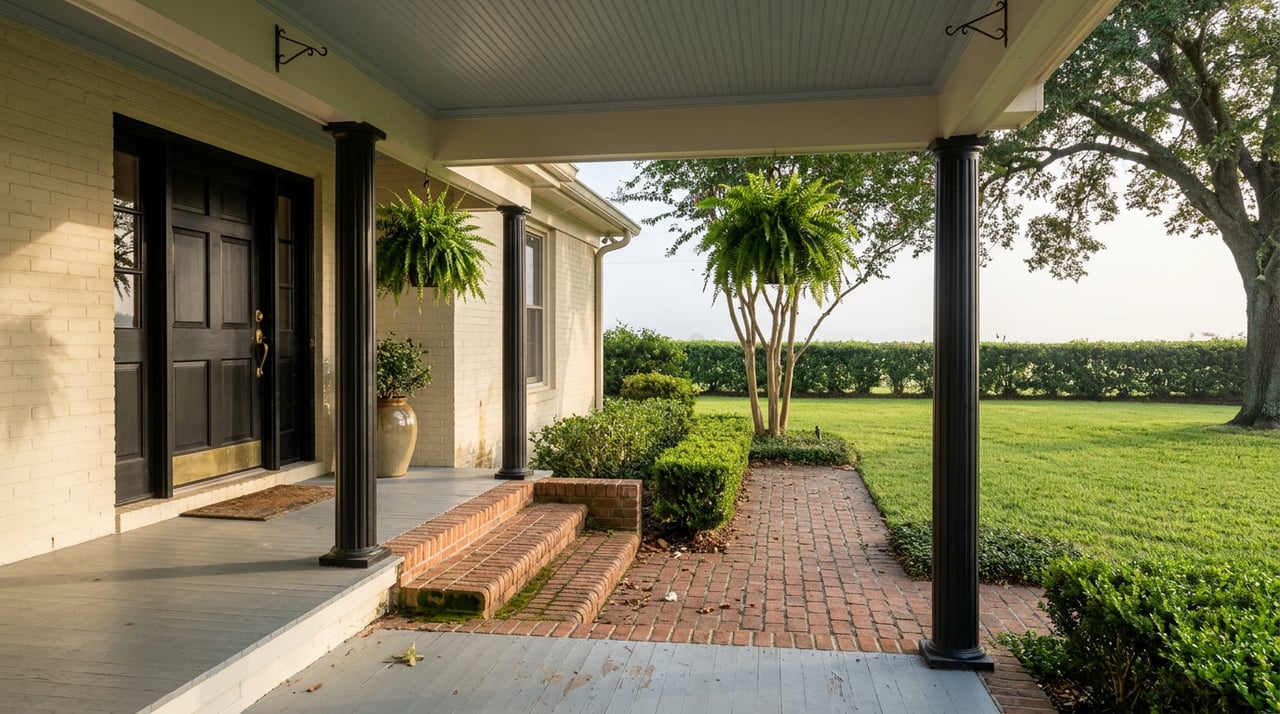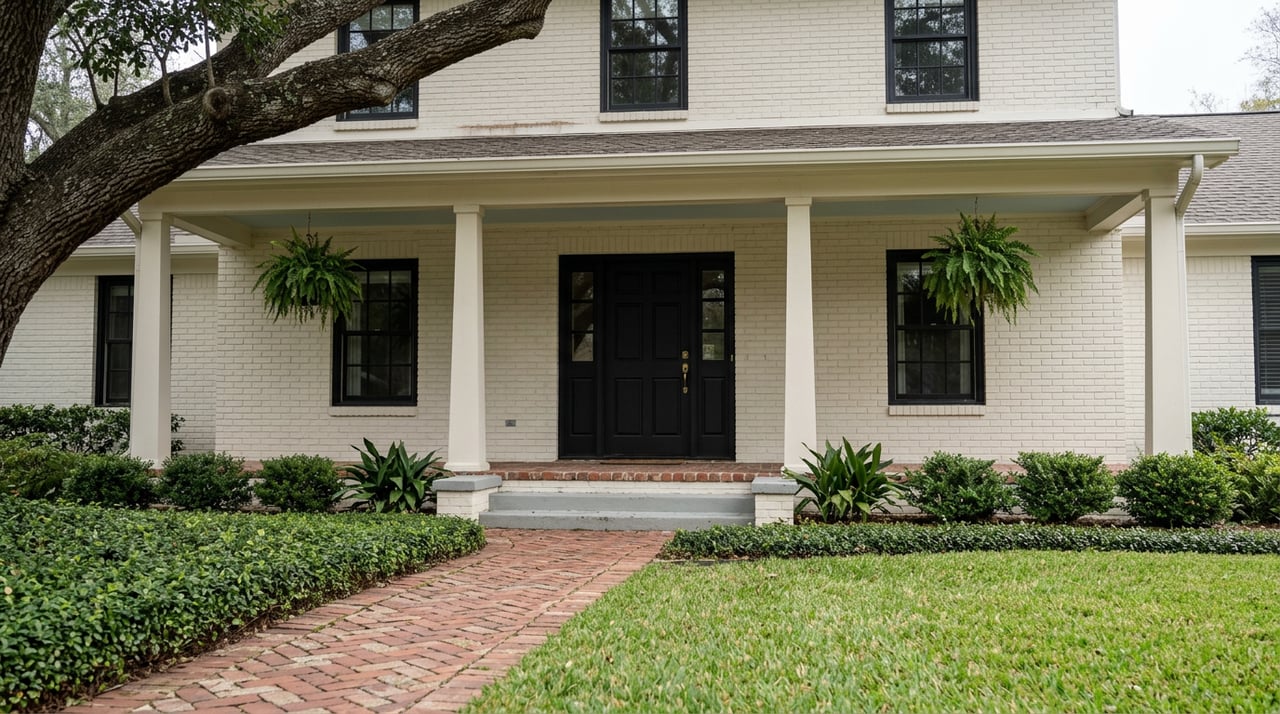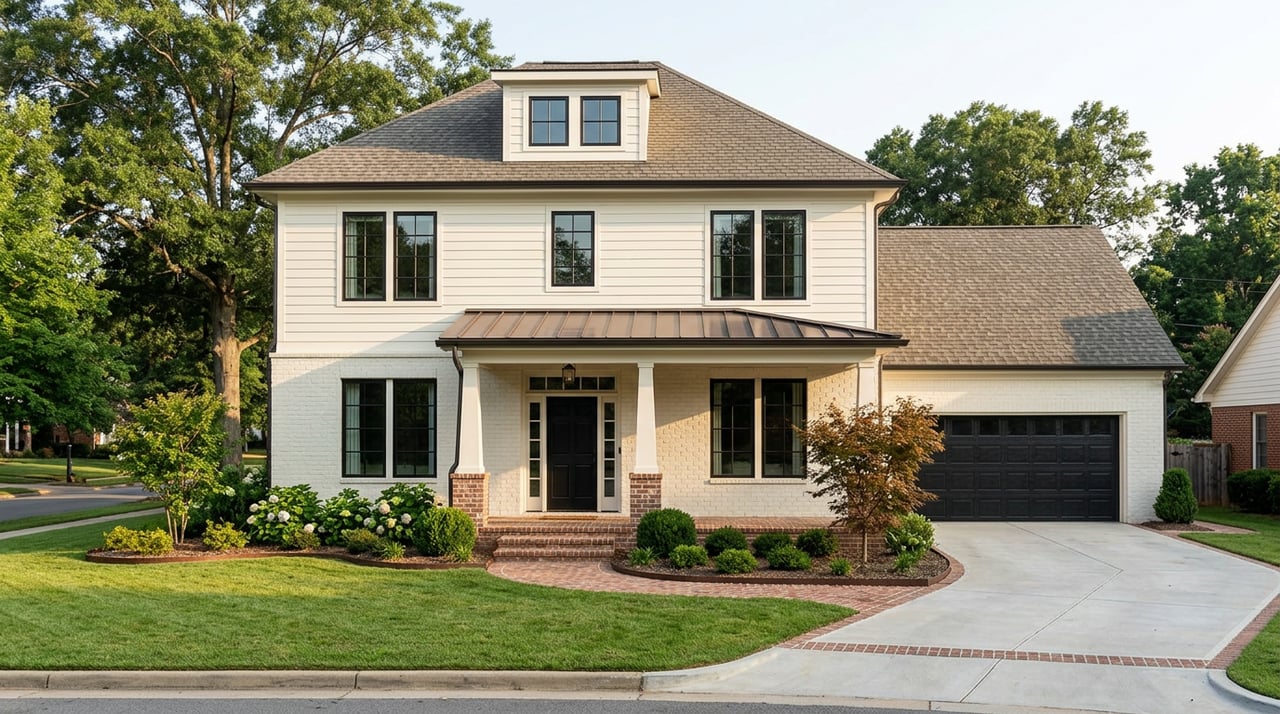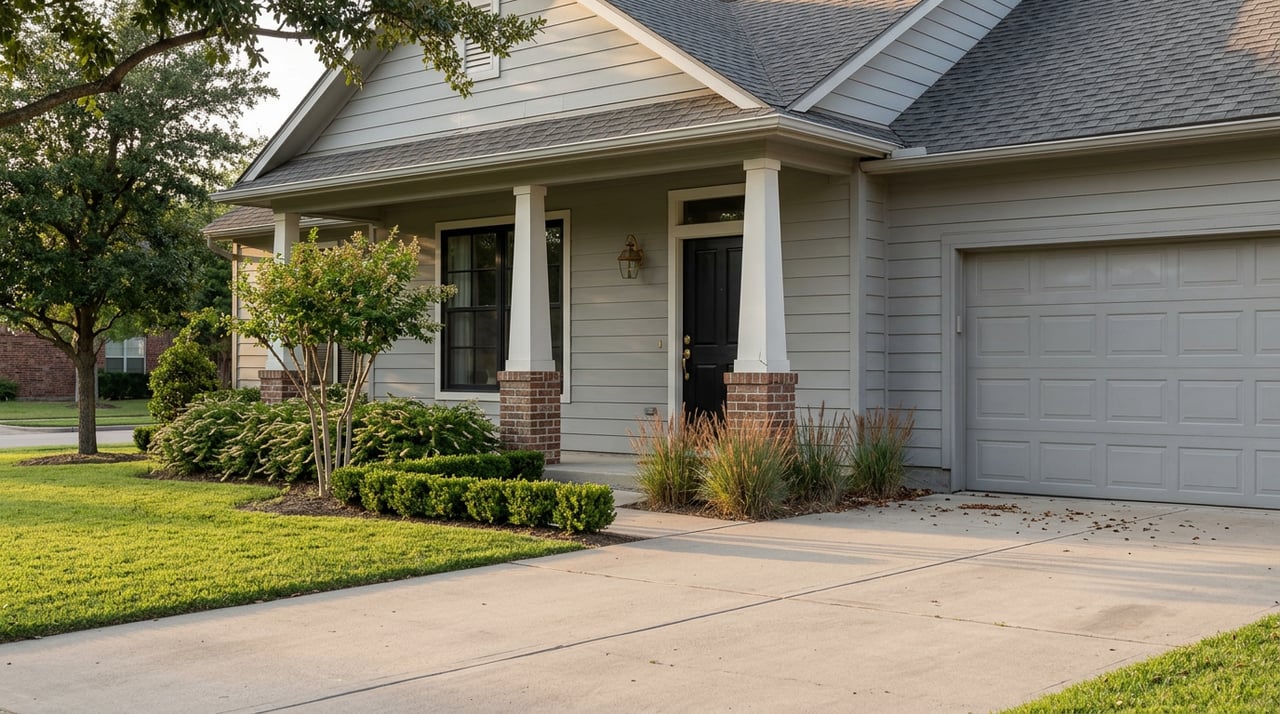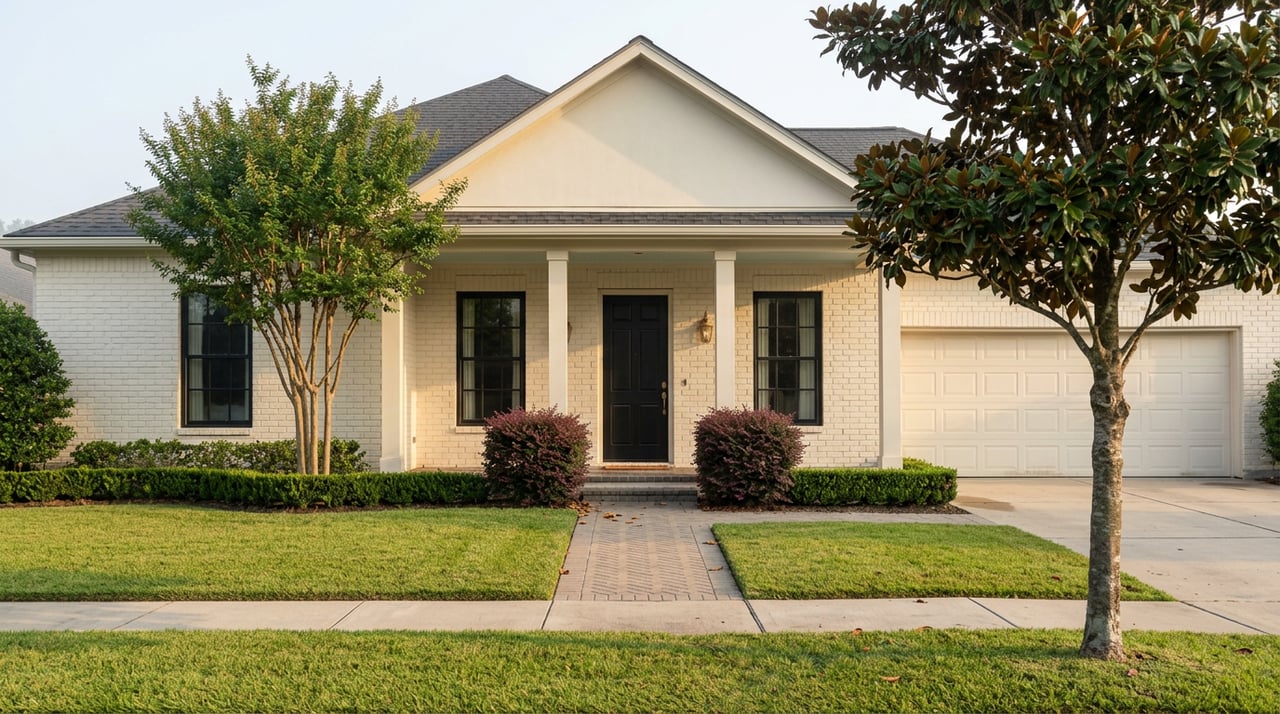
Trying to decide between a brand-new home and a resale in Richmond Hill? You are not alone. In a fast-growing market like Richmond Hill, both options can make a lot of sense depending on your timeline, budget, and comfort with due diligence. This guide will help you compare the real tradeoffs so you can move forward with more clarity and confidence. Let’s dive in.
Richmond Hill Market Context
Richmond Hill has grown quickly over the last several years, which helps explain why both new construction and resale homes are drawing attention. The city’s population estimate reached 19,839 in 2024, up from 16,633 in 2020 and 9,281 in 2010. Bryan County’s 2024 population estimate was 51,105.
Richmond Hill is also a market with a strong ownership base. Census QuickFacts reports a 62.6% owner-occupied housing unit rate, a median owner-occupied home value of $313,400, and a median monthly owner cost with a mortgage of $1,948. Median gross rent was reported at $1,781, which adds useful context for buyers comparing long-term housing costs.
That growth creates more choice, but it also means your decision should go beyond the house itself. In Richmond Hill, lot location, drainage, flood considerations, and utility service territory can all play a major role in how a home fits your needs.
Why Buyers Choose New Construction
New construction often appeals to buyers who want a fresh start and a more personalized experience. You may be able to choose finishes, layouts, or even a homesite, depending on the community and stage of construction. That extra control can be a big advantage if you want a home that feels tailored to your lifestyle.
Richmond Hill has examples of amenity-focused communities that highlight this appeal. Heartwood describes itself as a town plan with trails and lifestyle programming, while Dunham Marsh promotes features like a saltwater pool, parks, open space, sidewalks, biking trails, and in some cases the ability to buy a homesite and choose a builder.
Many buyers also like the idea of being the first owner. A newer home may come with fewer immediate repair concerns, and in Georgia, builder warranties typically cover defects in materials and workmanship for a set period. The Georgia Attorney General also notes that buyers must receive notice of the Right to Repair Act in their sales contracts.
New Construction Tradeoffs
The biggest drawback with new construction is usually timing. If the home is not completed yet, you may need to wait through the build process, possible delays, and multiple decision points. That can be difficult if you need to move on a firm schedule.
Financing can also look different from a standard purchase. Construction loans are often short-term, funds may be released in stages as work progresses, and interest rates can be higher than traditional purchase mortgages. Some loans convert automatically to a permanent mortgage, while others may require a new application.
Construction-to-permanent financing can be structured as either a single-closing or two-closing transaction. That is why it helps to understand your loan options early, especially if you are comparing a to-be-built home with a move-in-ready resale.
New Construction Checks in Richmond Hill
In Richmond Hill, flood and drainage questions should be part of your decision from the start. The city notes that parts of Richmond Hill sit in low-lying coastal plains that can be susceptible to flooding from rivers, canals, and hurricanes. The city also participates in the National Flood Insurance Program.
Flood insurance is separate from standard property insurance, and the city says there is normally a 30-day waiting period before flood coverage takes effect. That timing matters if you are planning a closing date and trying to avoid last-minute surprises.
Stormwater is another local issue worth taking seriously. Richmond Hill’s stormwater program manages runoff, drainage issues, and culvert and ditch maintenance, and the city notes that all developed properties contribute runoff to the drainage system. For a new build, that makes it smart to ask about lot grading, drainage easements, and where water flows during heavy rain.
Utility geography can also affect your monthly costs. Richmond Hill states that water and sewer rates for customers outside the city limits are calculated at 150% of the city rate. If you are comparing one subdivision inside city limits with another in the county, confirm the service territory before you commit.
Why Buyers Choose Resale Homes
Resale homes offer something new construction cannot always provide right away: a complete picture. You can walk through the actual home, see the real lot, evaluate the landscaping, and get a feel for the street pattern and surrounding homes before you close. For many buyers, that makes the decision feel more grounded.
A resale home can also work better if you need a quicker move. Since the home is already built, you can often move through the process faster than you would with a home that is still under construction.
In Richmond Hill, resale can be especially useful when you want to study how a property handles day-to-day conditions. Because the city specifically recognizes flood-prone areas and manages active stormwater concerns, seeing the finished site and surrounding area may help you ask better questions.
Resale Home Tradeoffs
The main tradeoff with resale is condition. Depending on the age and upkeep of the property, you may need to budget for updates to the roof, HVAC system, plumbing, electrical components, or cosmetic finishes.
That does not mean resale is a poor choice. It simply means you should be prepared to assess repair needs carefully and decide which items are manageable now versus later.
If you are planning repairs after closing, the Georgia Attorney General recommends checking contractor licensing, getting written estimates from several companies, insisting on a written contract with warranties and dates, and avoiding payment for incomplete work. That kind of planning can protect both your budget and your timeline.
What to Inspect on a Resale Home
When you are evaluating a Richmond Hill resale, start with the basics. Look closely at roof condition, HVAC age, plumbing and electrical systems, and the floor plan’s day-to-day function. Those items help you understand both immediate costs and long-term livability.
Water should be part of the conversation too. Pay attention to drainage patterns, any signs of past water intrusion, and the overall grading of the lot. If a home has had renovations, it is also wise to look at the quality of that work.
The city says it can provide flood zone and base flood elevation information by address. That makes it easier to verify whether a property is in a flood zone or near a floodway before you move too far into the process.
How to Decide What Fits You Best
If you want more control over finishes, layouts, or homesite selection, new construction may be the better match. It can also be a strong fit if you are comfortable waiting for completion and you prefer the structure of a newer home with a builder warranty process.
If you need to move faster, want to see the exact home before making an offer, or prefer a more established setting, resale may be the more practical path. It is often the easier choice when timeline certainty matters most.
In Richmond Hill, the right answer often comes down to more than new versus old. You are also comparing flood exposure, drainage setup, utility territory, financing structure, and how much flexibility you have before move-in.
A Smart Richmond Hill Strategy
The clearest takeaway is simple: do not shop by photos or finishes alone. In Richmond Hill, location details matter just as much as the house because flood conditions, stormwater patterns, and city-versus-county utility differences can affect both cost and comfort.
Whether you choose new construction or resale, independent inspections and solid financing guidance are worth the effort. Builder warranties have limits, resale homes can carry maintenance needs, and flood insurance planning may require extra lead time.
If you want help comparing communities, weighing resale options, or narrowing down the best fit for your timeline, the Mcintosh Realty Team can guide you through Richmond Hill with clear advice and steady support.
FAQs
Is new construction or resale better for buyers moving to Richmond Hill quickly?
- Resale is usually the better fit if you need to move quickly because the home is already built and may offer a faster path to closing.
What should buyers check about flood risk in Richmond Hill homes?
- You should verify the property’s flood zone, ask about base flood elevation if needed, and remember that flood insurance is separate from standard property insurance and normally has a 30-day waiting period before it takes effect.
Why do utility boundaries matter when buying in Richmond Hill?
- Richmond Hill states that water and sewer rates for customers outside city limits are charged at 150% of the city rate, so service territory can affect your monthly costs.
What makes new construction appealing in Richmond Hill communities?
- New construction may offer more control over finishes, layouts, and homesites, and some local communities also emphasize amenities like trails, pools, parks, sidewalks, and open space.
What should buyers inspect on a Richmond Hill resale home?
- Focus on roof condition, HVAC age, plumbing, electrical systems, drainage, flood zone, signs of past water intrusion, and the quality of any renovations.