If you love the idea of coastal Georgia but do not need a beachfront address, Richmond Hill offers a different kind of appeal. You get marsh views, tidal creeks, river access, neighborhood living, and a calmer pace, all while staying connected to Savannah and major travel routes. If you are wondering what small-town coastal living really looks like here, this guide will help you picture the lifestyle and what it can mean for your next move. Let’s dive in.
What Coastal Living Means in Richmond Hill
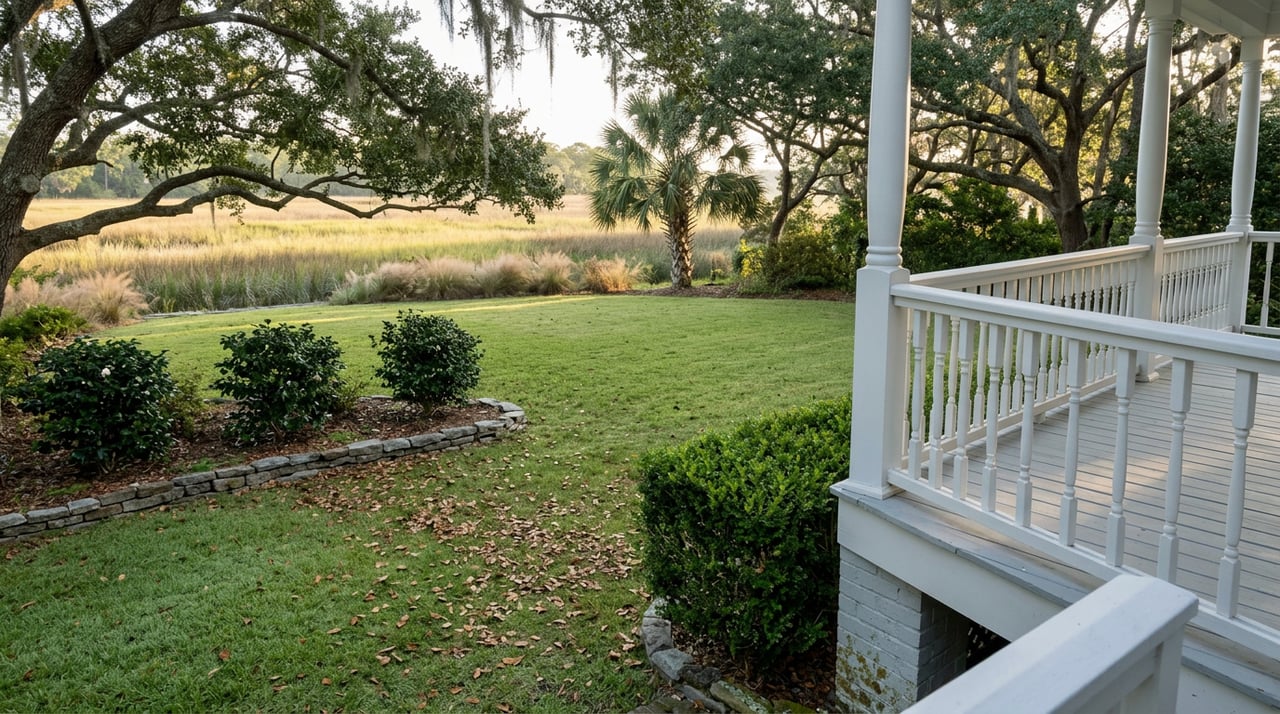
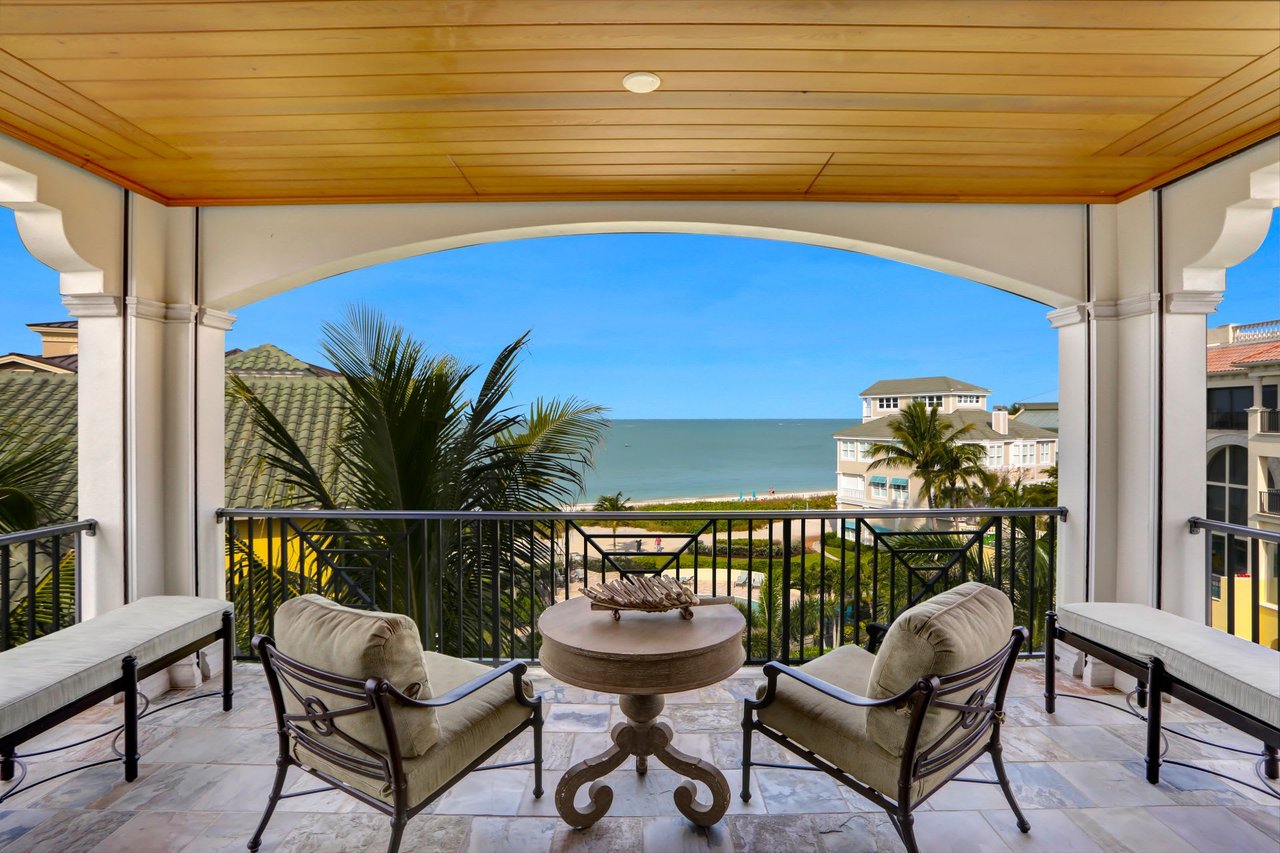
In Richmond Hill, coastal living is less about oceanfront towers and more about the natural character of the Lowcountry. Official county and city materials point to marshes, rivers, tidal creeks, and outdoor access as key parts of daily life.
That distinction matters if you are comparing Richmond Hill to a beach town. The setting feels grounded, residential, and connected to the landscape, with a strong sense of place shaped by southern Bryan County and the broader coastal Georgia region.
Why Richmond Hill Feels Like a Small Town
Richmond Hill is often described by official local sources as a quiet community with a strong civic identity. Its downtown is not a large urban core. Instead, city planning documents describe a compact, pedestrian-oriented historic core designed to protect traditional small-town character.
That creates a different everyday experience than you might find in a larger metro area. You can expect a community layout centered on neighborhoods, local parks, public spaces, and a historic downtown area rather than a dense commercial center.
Quiet Setting, Strong Connections
One reason Richmond Hill stands out is that it balances a quieter home base with practical access to the surrounding region. The city sits along SR 144, US 17, and I-95, with two interstate exits in place and a planned third exit identified in the city’s comprehensive plan.
For many buyers, that means you do not have to choose between convenience and a more relaxed setting. Richmond Hill is roughly 20 miles southwest of Savannah according to the city’s planning documents, making it a realistic option for people who want regional access without living in the middle of a busier urban environment.
Outdoor Living Is Part of Daily Life
Richmond Hill’s lifestyle is closely tied to time outside. The city maintains multiple parks, and the park system supports everything from walking and biking to canoeing, birding, fishing, and casual afternoons with family or friends.
This is one of the clearest ways the area’s coastal identity shows up in everyday life. You are not just near natural beauty. In many parts of Richmond Hill, outdoor space and water-centered recreation are woven into the rhythm of the community.
J.F. Gregory Park Anchors Recreation
J.F. Gregory Recreational Park is one of the city’s signature outdoor spaces, covering 335 acres. The city highlights it as a multi-use park for picnics, sports, canoeing, birding, fishing, hiking, strolling, and community gatherings.
The park also includes a lagoon, a birding tower, and a three-mile walking trail around a historic rice field that now functions as wooded wetland. If you want a snapshot of Richmond Hill’s natural setting, this park gives you one of the best examples.
More Than One Park Defines the Area
Richmond Hill’s park story does not stop with one major destination. Sterling Creek Park adds another 187 acres with bike and walking trails, and the city also maintains smaller community spaces like Boles Park, Blueberry Park, and Richmond Heights Community Park.
That variety helps reinforce the town’s neighborhood-based feel. Some parks serve as large recreation hubs, while others fit more naturally into residential areas and offer everyday convenience close to home.
Water Access Supports the Coastal Lifestyle
Bryan County’s Fisherman’s Co-Op Park & Boat Landing adds another piece to the picture. County information describes scenic marshland views, a pier, a covered pavilion, and expanded outdoor recreation opportunities.
If you enjoy boating, fishing, or simply being near the water, this kind of access is part of what makes Richmond Hill feel distinctly coastal. It is a marsh-and-river version of coastal living, shaped more by Lowcountry scenery than by beachfront development.
The Downtown Experience Is Historic and Walkable
Richmond Hill’s downtown should be understood as a historic core, not a major city center. Local planning documents describe it as compact and pedestrian-oriented, with a focus on preserving the traditional character of the area.
That makes downtown feel more personal and civic in scale. It is the kind of place where preservation, public improvements, and small-scale activity shape the experience, rather than high-rise development or a large entertainment district.
For buyers who want some sense of history and walkability without giving up a neighborhood-centered lifestyle, that can be a meaningful advantage. It adds charm and identity without changing the overall small-town feel of Richmond Hill.
What Housing Looks Like in Richmond Hill
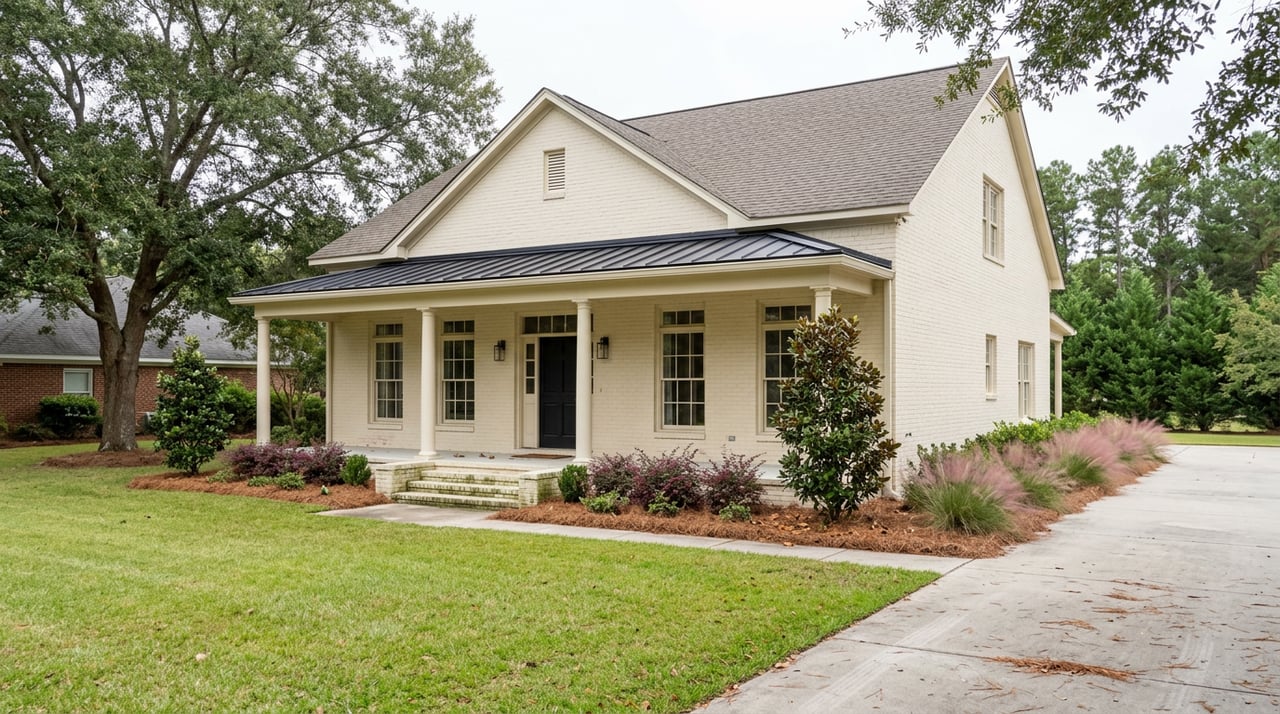
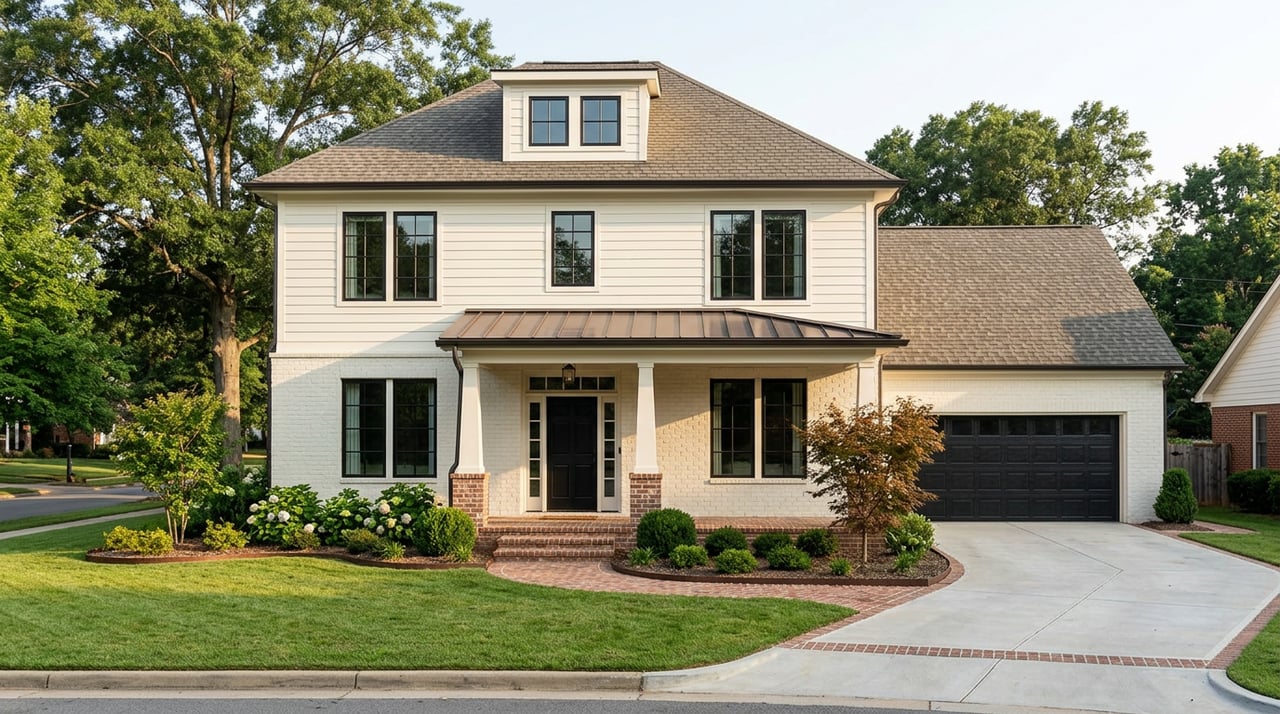
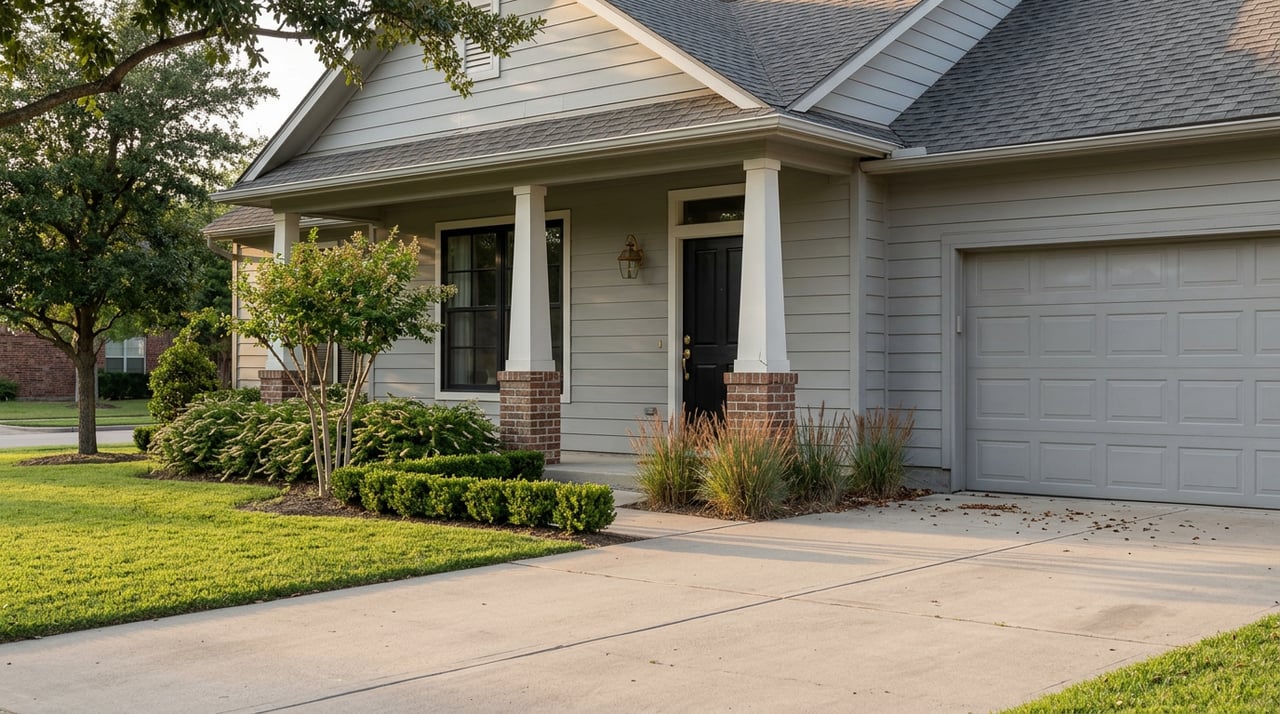
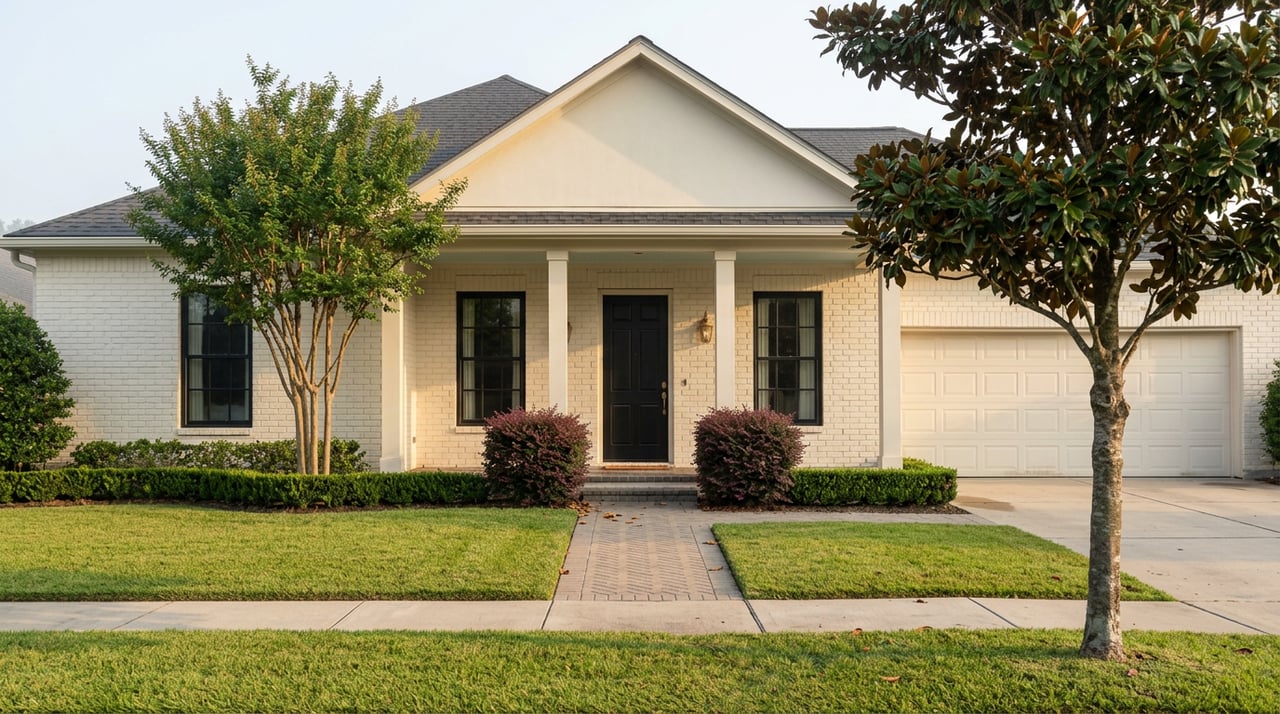
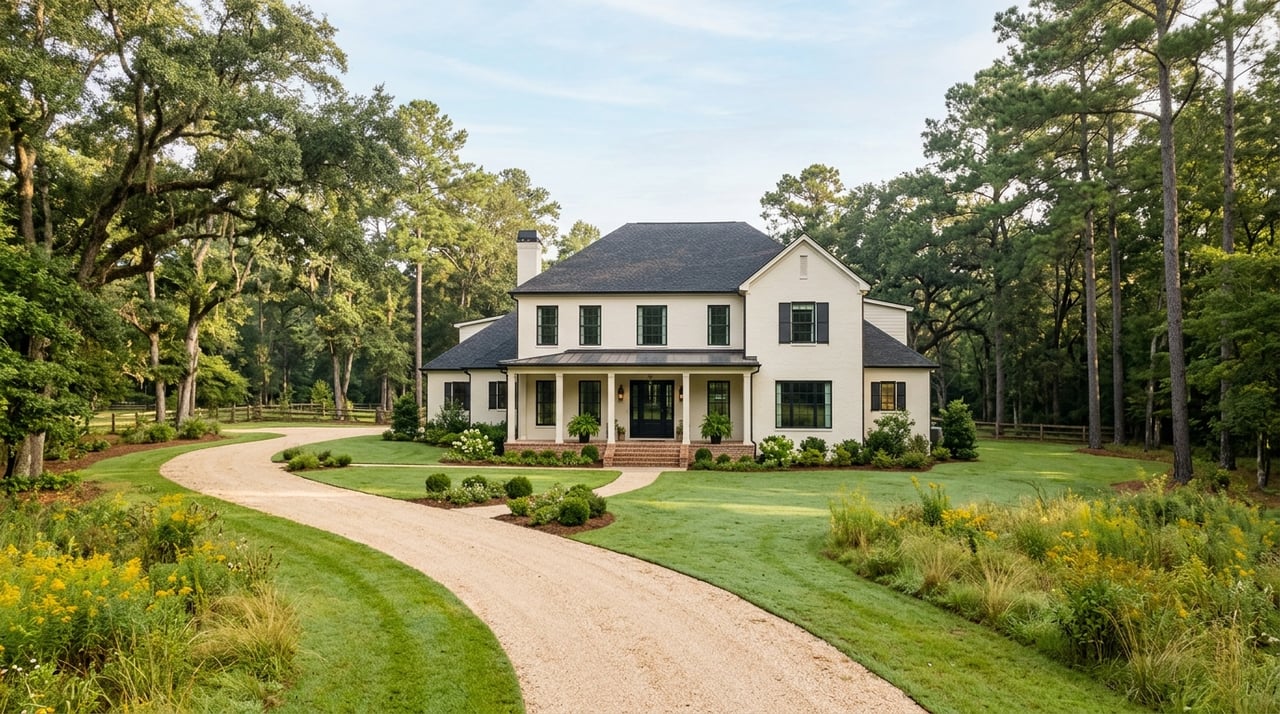
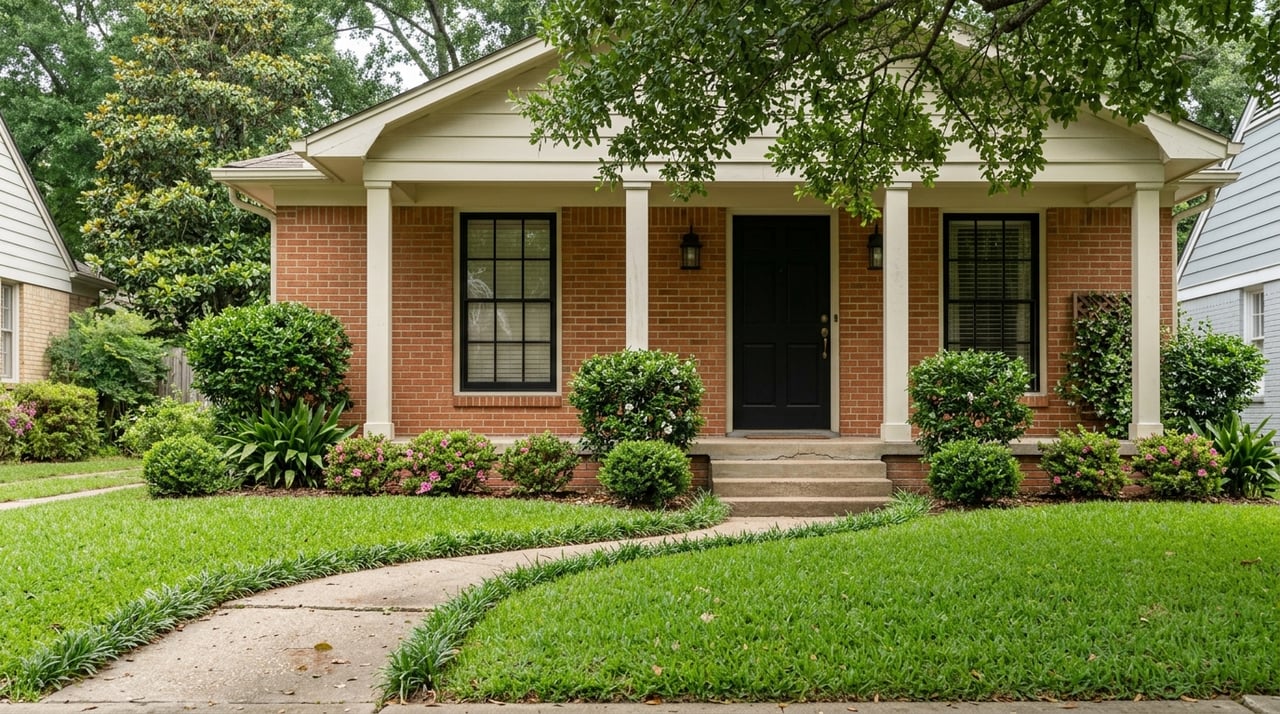
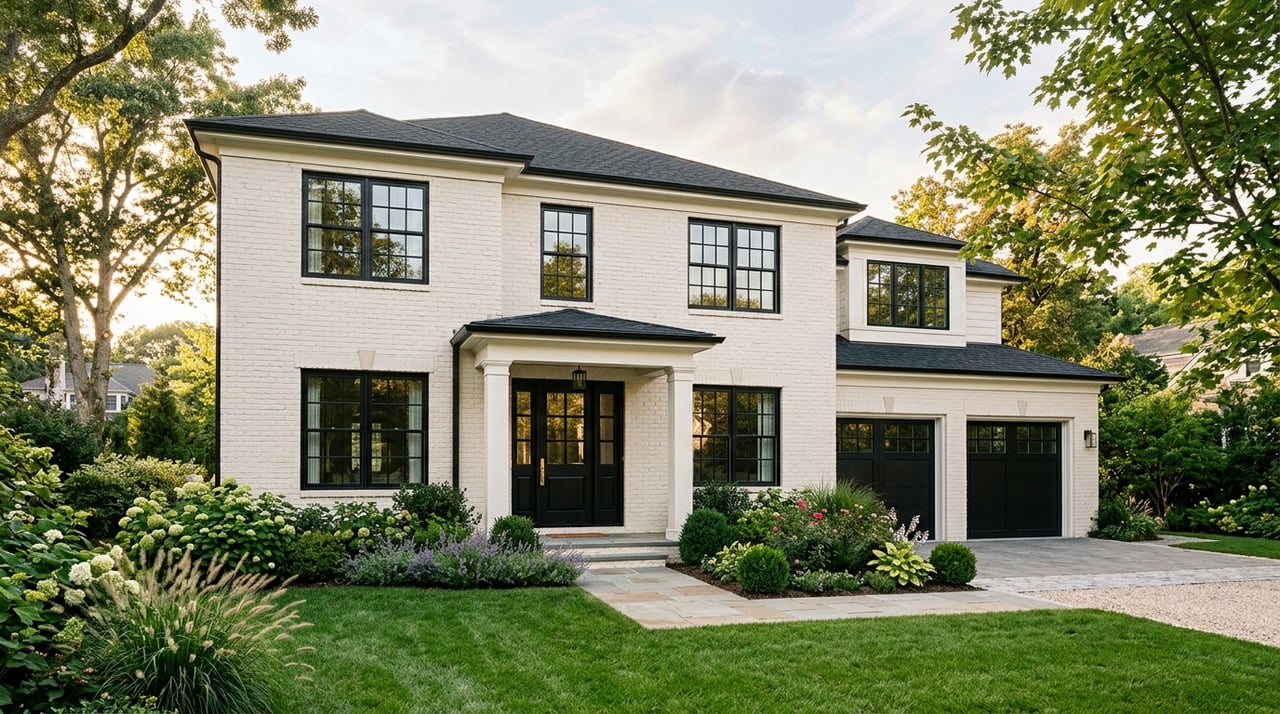
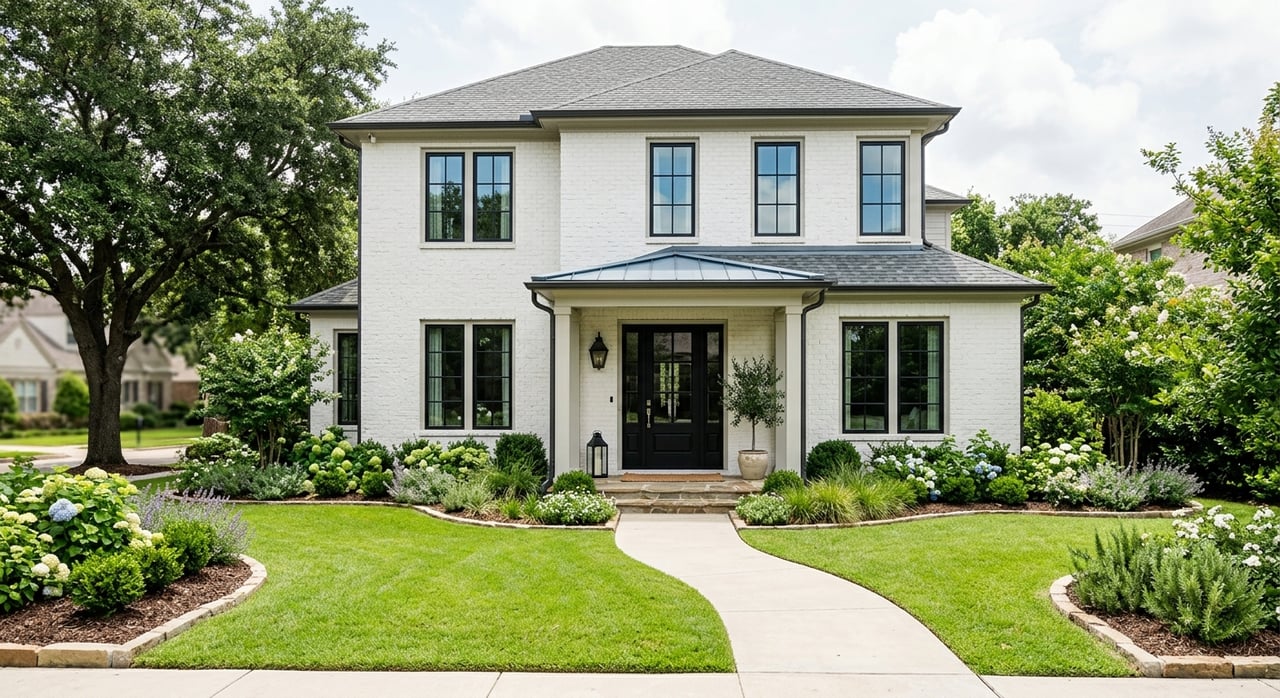
If you are thinking about moving here, it helps to know that Richmond Hill is primarily a neighborhood-driven housing market. The city’s comprehensive plan says it has more than 40 designated neighborhoods and residential clusters.
Single-family homes make up roughly 75% of the city’s housing types. The same plan also notes a broader mix that includes attached single-family homes, townhomes, duplexes, apartments, and assisted living.
That mix gives buyers more than one path into the market. Even though the area is known mostly for detached homes, there are still options for different budgets, household sizes, and lifestyle goals.
Many Homes Are Relatively Modern
Richmond Hill blends historic character in its core with a housing base that is fairly modern overall. According to the city’s comprehensive plan, about two-thirds of the housing stock was built after 1990.
For many buyers, that can mean newer subdivision patterns, more recent construction styles, and communities planned with open space or amenities in mind. At the same time, the preserved downtown area gives the city a sense of continuity and place.
Neighborhood Patterns Matter Here
The city’s planning documents outline several different land-use patterns that shape how Richmond Hill feels on the ground. Low-density residential areas hold most of the single-family neighborhoods, while moderate-density areas are intended to support a wider range of housing types along with open space and amenities.
There are also conservation and preservation areas that protect undeveloped or environmentally sensitive land. Together, those planning choices help explain why Richmond Hill can feel both growing and grounded at the same time.
Richmond Hill by the Numbers
A few local data points help round out the picture. The 2020 Census counted 16,633 residents in Richmond Hill, and Census QuickFacts reports a 60.1% owner-occupied housing rate.
The same source lists a median owner-occupied home value of $272,100 for 2019 through 2023. A Georgia Department of Community Affairs planning document also lists 5,030 total housing units and 4,783 households based on the 2020 Census.
Those figures support a simple takeaway. Richmond Hill is a largely owner-occupied community with established neighborhoods, continued residential growth, and a housing mix that still centers on single-family living.
Who Richmond Hill May Appeal To
Richmond Hill can make sense for several types of buyers. If you are relocating to the Savannah area, you may appreciate having access to major roads and regional destinations while living in a quieter setting.
If you want outdoor recreation close to home, the park system, marsh scenery, and boat-access options may be a strong fit. And if you prefer a community with a historic core and a primarily neighborhood-based layout, Richmond Hill offers that combination in a way that feels distinct within the coastal Georgia region.
What to Keep in Mind Before You Move
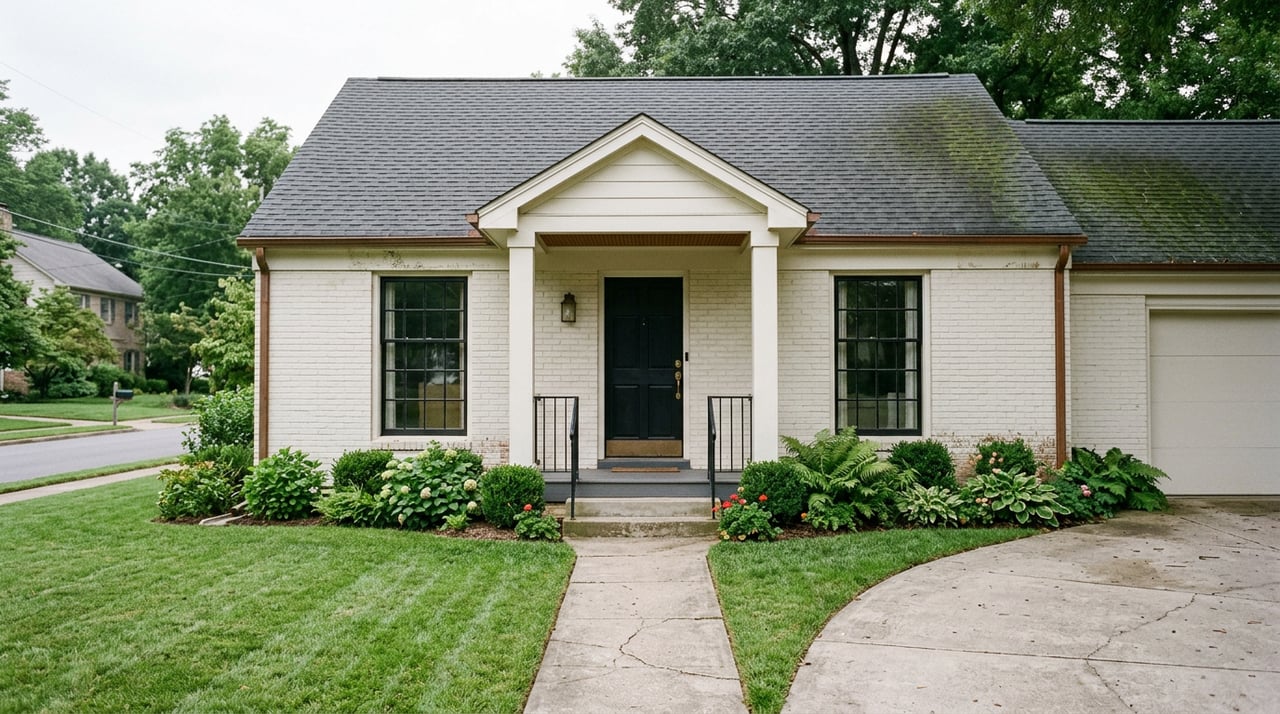
The biggest thing to understand is that Richmond Hill offers small-town coastal living, not a resort-town lifestyle. The draw is the setting, the neighborhoods, the outdoor access, and the regional convenience.
That is good news if you want a practical place to live with strong local identity. It also helps set the right expectations as you compare Richmond Hill with Savannah, beach communities, or other parts of coastal Georgia.
If you are exploring homes in Richmond Hill, it helps to work with a team that understands how the area’s neighborhoods, housing mix, and lifestyle features come together. Mcintosh Realty Team brings deep Savannah-area experience and can help you find the right fit with clear guidance every step of the way.
FAQs
What does coastal living in Richmond Hill mean?
- In Richmond Hill, coastal living mainly refers to marshes, tidal creeks, rivers, boat access, and outdoor recreation rather than beachfront housing.
How close is Richmond Hill to Savannah?
- The city’s comprehensive plan places Savannah roughly 20 miles northeast of Richmond Hill, giving residents access to the larger region while living in a quieter community.
What types of homes are common in Richmond Hill?
- City planning documents say Richmond Hill is mostly made up of single-family homes, with additional options such as townhomes, duplexes, apartments, and other attached housing types.
Is downtown Richmond Hill walkable?
- Local planning documents describe downtown Richmond Hill as a compact, pedestrian-oriented historic core designed to preserve the city’s traditional small-town character.
Are Richmond Hill homes mostly newer or older?
- According to the city’s comprehensive plan, about two-thirds of Richmond Hill’s housing stock was built after 1990, so much of the market is relatively modern.
What outdoor spaces stand out in Richmond Hill?
- J.F. Gregory Recreational Park, Sterling Creek Park, Boles Park, and Bryan County’s Fisherman’s Co-Op Park & Boat Landing are key examples of the area’s outdoor and water-access lifestyle.