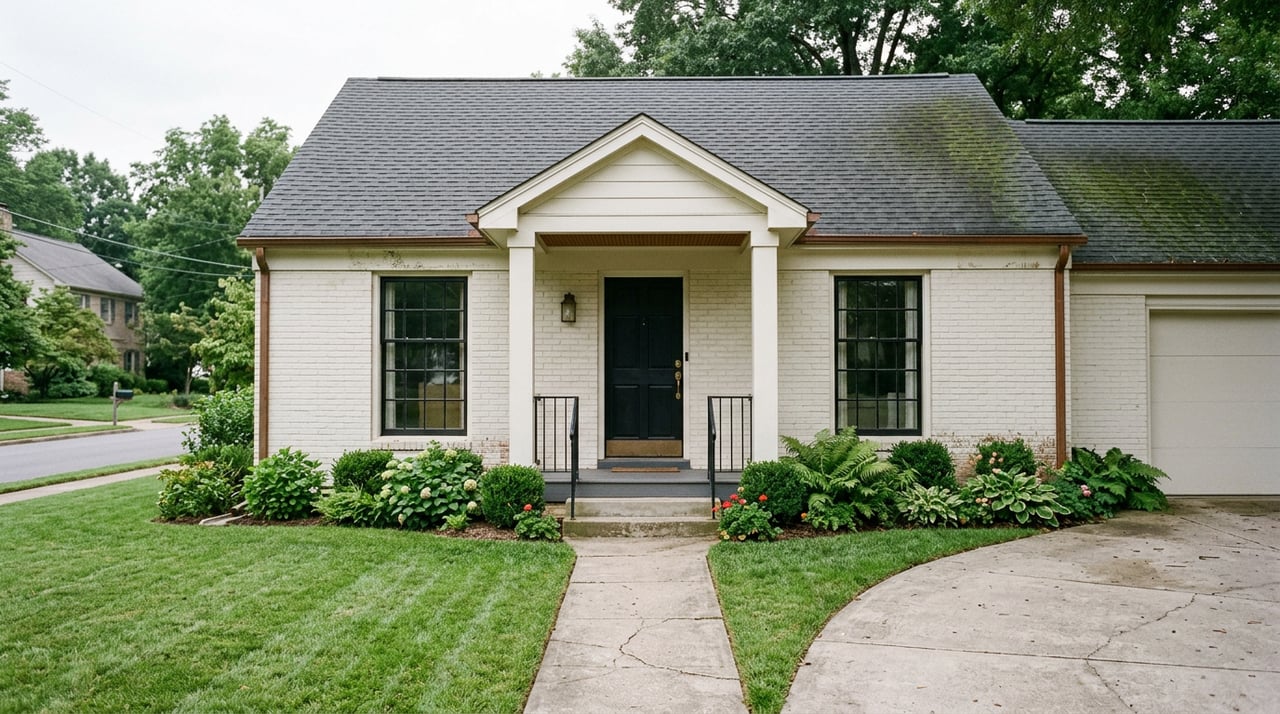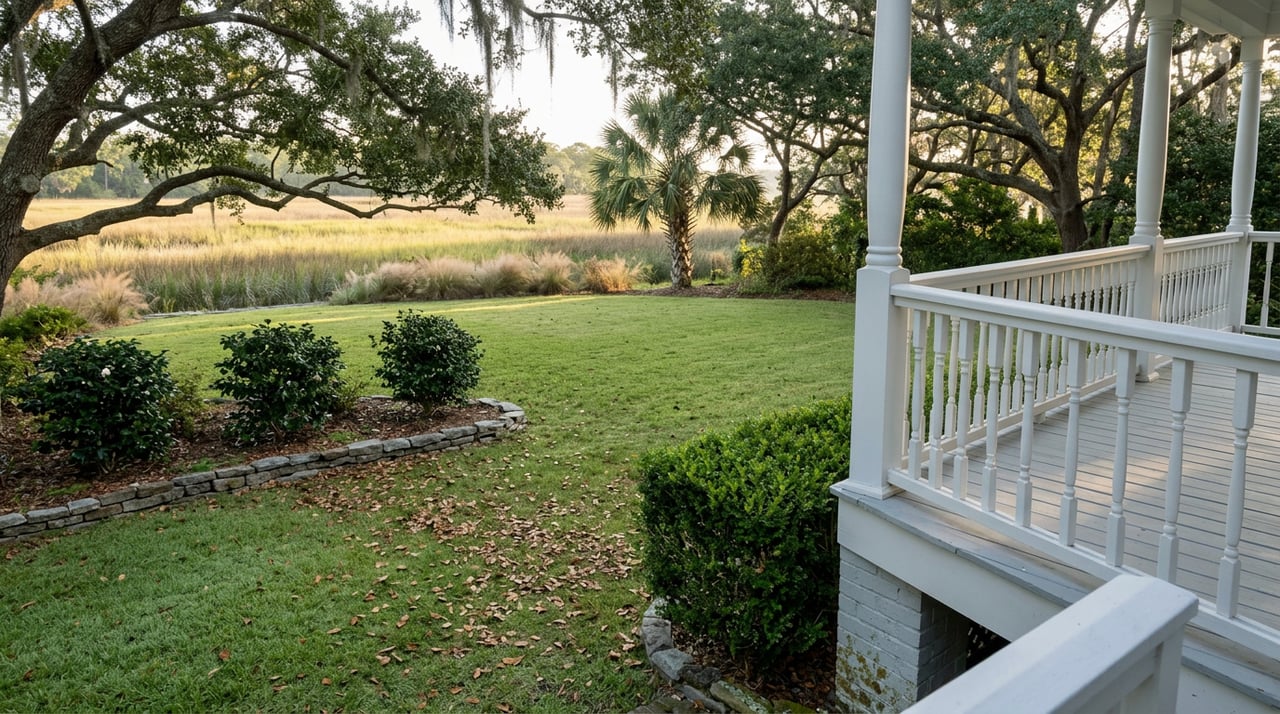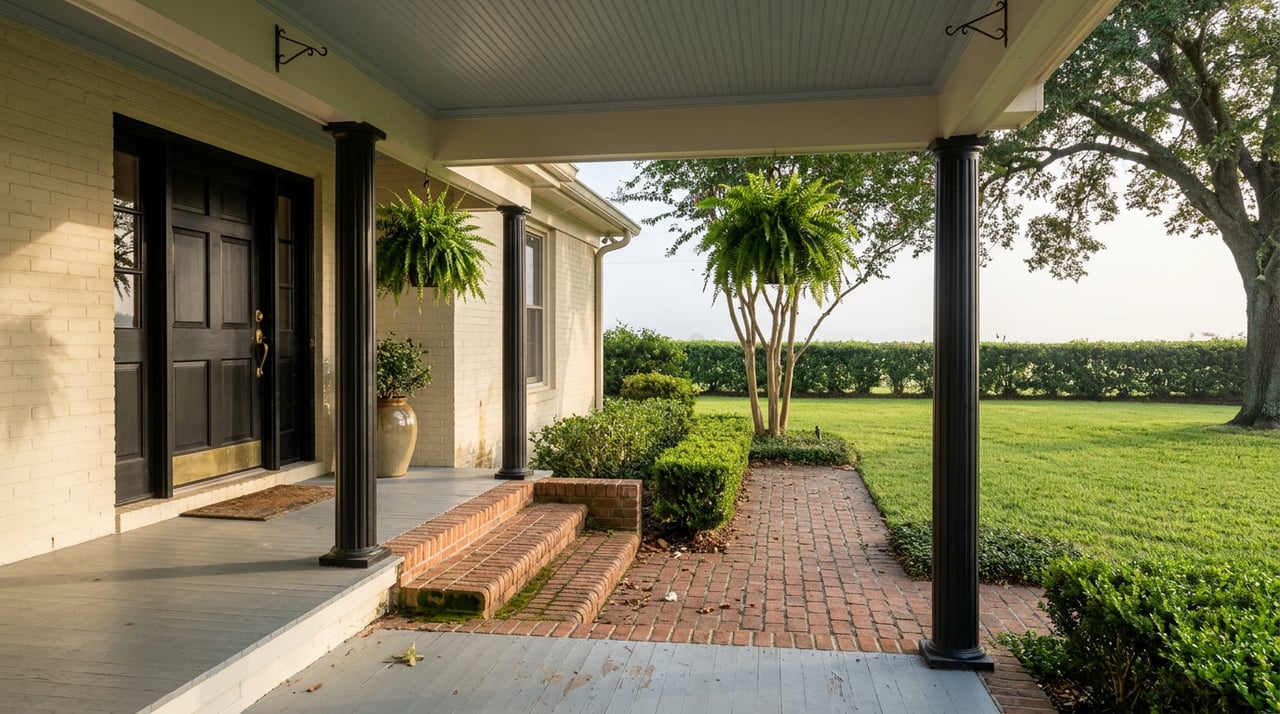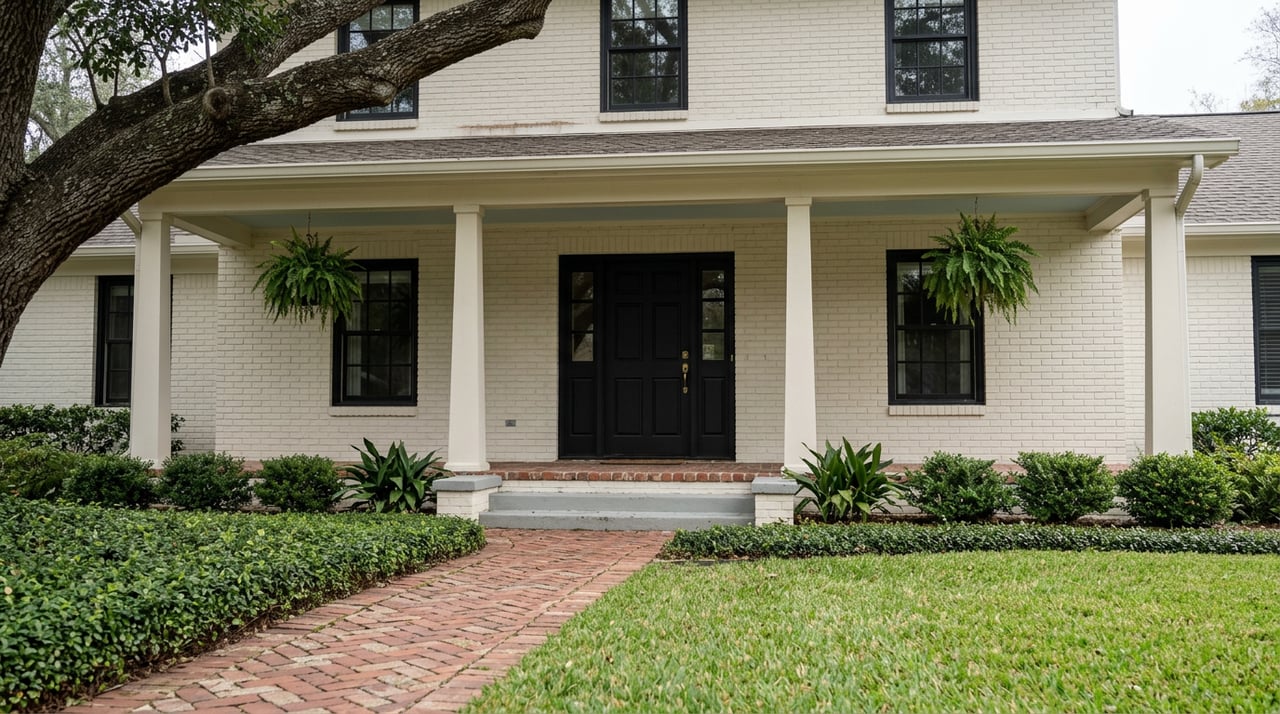
Most Islands buyers arrive with the same mental model: pull the flood zone letter, buy the policy the lender requires, close. That model was correct for a long time. It stopped being correct in October 2021, and the buyers who still use it are the ones leaving money and leverage on the table.
The shift is subtle. The flood zone letter still matters. The elevation certificate still matters. What changed is which one gives you leverage during the contract period, and where the real friction now sits on Wilmington Island, Whitemarsh, and Talahi.
What actually changed under Risk Rating 2.0
For decades, an elevation certificate was the document that priced your flood insurance. If your lowest floor sat a foot above the Base Flood Elevation, your premium fell. If it sat a foot below, your premium climbed. Buyers ordered them, sellers volunteered them, and lenders occasionally required them.
FEMA's Risk Rating 2.0 rollout, phased in for new policies starting October 2021, moved NFIP pricing to a property-specific model built on LiDAR elevation data and a wider set of risk variables. For most policies today, an elevation certificate is optional rather than mandatory. The insurance price no longer waits on a surveyor's visit.
That sounds like a win for buyers. In practice, it removed one of the strongest negotiating tools in a coastal transaction and replaced it with a black-box premium the seller cannot easily contest.
The elevation certificate is now leverage, not paperwork
Here is the piece most buyers miss. The elevation certificate did not lose its value on the Islands. It shifted from a pricing document to an eligibility document. It is now the specific piece of paper that lets you argue you should not be required to carry flood insurance at all.
An EC still unlocks three specific outcomes an Islands buyer should care about:
- A Letter of Map Amendment petition to FEMA, which can remove the mandatory flood insurance purchase requirement tied to a federally backed mortgage when your lowest adjacent grade sits at or above the BFE
- Underwriting with private flood carriers that operate outside the NFIP and often have their own EC requirements, which can matter on higher-value island properties where NFIP's $250,000 building cap falls short
- Local floodplain review when you plan a substantial improvement, addition, or rebuild after purchase, which Chatham County and City of Savannah floodplain administrators still require
None of that shows up in a standard purchase contract. All of it shows up later, either as a monthly premium you did not have to pay or as a renovation permit you did not have to fight for.
The Coastal A trap
The 2018 FIRM update introduced a Limit of Moderate Wave Action line across Chatham County. The LiMWA identifies what FEMA calls Coastal A Zones, where wave heights between 1.5 and 3 feet may occur during storm events. Properties inside the LiMWA still receive A zone flood insurance rates. New construction and substantial improvements, however, must follow V zone building standards.
For an Islands buyer, that combination is the one to watch.
An A-zone premium with V-zone construction rules is the specific friction that catches Wilmington Island renovators off guard. It looks like a bargain on the insurance quote and a surprise on the permit desk.
The practical read: if you are buying a 1970s ranch on a Coastal A lot with plans to add a primary suite or lift the structure, your renovation is going to be governed by open-foundation, breakaway-wall, and elevation rules that were not in place when the home was built. That is not a reason to walk. It is a reason to price the renovation correctly before the inspection contingency expires.
Requesting a Chatham elevation certificate without the runaround
Chatham County provides flood zone determination letters and elevation certificates at no charge, but the request routes through two different offices depending on where the property sits, and buyers regularly send the request to the wrong desk and lose a week.
The PIN prefix is the fastest way to route correctly:
- Pull the property's Parcel Identification Number from the tax record
- If the PIN begins with 1, the property sits in unincorporated Chatham County and the request goes to the Chatham County Department of Engineering, either by email to [email protected] or by fax
- If the PIN begins with 2, the property sits inside City of Savannah limits and the request goes to the city floodplain manager
- Include the property mailing address and the PIN in the written request
- Check the county's online archive first, since many Islands addresses already have an EC on file that you can pull without waiting
For most Wilmington Island and Whitemarsh Island addresses, the PIN prefix is 1. Talahi and portions of the Islands closer to the city can go either way. This is a two-minute check that saves the classic five-day loop of a request bouncing between jurisdictions.
The 30-day rule and the freeboard change
Two calendar facts should live on the top of any Islands buyer's checklist.
The first is the NFIP 30-day waiting period. If a map change is scheduled to increase your structure's risk, your policy needs to be in effect 30 days before the effective date to lock in the prior rating. On a coastal community with an active FEMA study underway, that window closes faster than most buyers plan for.
The second is the freeboard shift. On October 24, 2024, the City of Savannah adopted a two-foot freeboard above the Base Flood Elevation for new and substantially improved structures inside the 100-year floodplain, effective January 1, 2025. The prior standard, in place since September 2008, was one foot. HUD implemented a parallel two-foot rule for FHA loans on new structures in Special Flood Hazard Areas on the same date. If you are buying an older Islands home with FHA financing and any thought of a future substantial improvement, the two-foot rule is now the number that governs what your renovation can look like.
A working due-diligence sequence
Most Islands contracts run a 10 to 14 day due diligence window. Sequencing the flood work correctly inside that window is the difference between using the information and burying it.
| Day | Task | Why it belongs here |
|---|---|---|
| 1-2 | Pull FIRM panel from FEMA MSC and cross-check on SAGIS.org's "Find My Flood Zone" | Confirms zone and whether the parcel sits inside the LiMWA |
| 2-3 | Check Chatham County's online EC archive for the address | Free, fast, and often already available on Islands parcels |
| 3-5 | If no EC on file, submit a written request using the PIN prefix routing above | Gives the surveyor or floodplain office time to respond inside the window |
| 4-6 | Request a binding insurance quote, not a rate estimate, from at least two carriers including one private | Risk Rating 2.0 premiums vary meaningfully by carrier appetite |
| 7-9 | If Coastal A and renovation is planned, price the V-zone construction standards into the offer | Foundation and elevation rules can add real cost |
| 10-12 | If EC shows lowest adjacent grade at or above BFE, decide whether to pursue a LOMA post-closing | LOMA can remove the mandatory purchase requirement entirely |
Chatham County participates in the FEMA Community Rating System, and that participation currently produces a 5 percent discount on NFIP policies inside the county. It is a modest number on any single policy, but it is one of the reasons the total cost of ownership on a Wilmington Island home can pencil differently than a comparable coastal parcel in a non-CRS county.
FAQ
Do I still need an elevation certificate if my lender does not ask for one?
Under Risk Rating 2.0, most lenders and NFIP policies no longer require one for the loan or the premium. You may still want one for three reasons: a LOMA petition, a private flood carrier quote, and any future renovation that triggers floodplain review. On an Islands purchase, ordering one during due diligence often costs less than the first year of premium savings a LOMA can produce.
What is the difference between an A zone and a Coastal A zone on the Islands?
Both are Special Flood Hazard Areas priced on the A zone insurance schedule. The Coastal A zone, defined by the LiMWA line on the 2018 FIRM, is where storm wave heights of 1.5 to 3 feet are possible. New construction and substantial improvements in a Coastal A must be built to V zone standards, which govern foundations, enclosures below the BFE, and elevation.
Can I close before the elevation certificate arrives?
Yes, and many Islands buyers do. The risk is that you close without knowing whether a LOMA is available or how a future renovation will be regulated. If the EC is not going to arrive inside due diligence, at minimum secure a binding insurance quote and confirm the FIRM zone and LiMWA status before removing contingencies.
Is a private flood policy better than NFIP for an Islands home?
Sometimes. NFIP caps building coverage at $250,000, which does not cover the replacement cost on many Wilmington Island and Whitemarsh homes. Private carriers often write higher limits and add coverages like additional living expenses. They also underwrite tighter and may require an EC. The right answer is a quote comparison, not a default.
The Islands reward buyers who do the flood work early and use it as leverage rather than paperwork. If you are considering a purchase on Wilmington Island, Whitemarsh, or Talahi and want a due-diligence checklist matched to your specific parcel and lender, the team at McIntosh Realty Team can walk the FIRM panel, the PIN routing, and the insurance comparison with you before you write the offer. Contact us.