A termite report in most of the Savannah metro is a formality. A technician checks the crawl space, maybe trenches the foundation line, and if anything's active, sprays or tents and moves on. The report clears, the lender funds, the closing happens on schedule.
Inside the Downtown Historic District, that same report can turn into the reason a closing date slips.
The mechanism isn't the termites. Savannah has plenty of those everywhere, not just downtown. The mechanism is that the same review process protecting the tabby foundations, party walls, and street-facing porches that make these houses worth buying also rules out the fastest ways to clear them of wood-destroying insects. A buyer who assumes a termite letter is a two-day errand can find out, mid-contract, that it isn't.
What a Clear Report Actually Promises
Georgia doesn't require a wood infestation report by state law for a sale to close. Almost every lender requires one anyway. VA loans mandate it statewide, Georgia is one of the states where the requirement applies to the entire state rather than specific counties. FHA and USDA loans require it when triggered, most often by visible evidence or an appraiser's flag, and in a termite-heavy market like Savannah that trigger comes up often. Conventional lenders set their own policy, but a clear report is standard practice across the board.
The form itself is the Official Georgia Wood Infestation Inspection Report, regulated by the Georgia Structural Pest Control Commission. Buyers and agents sometimes call it a CL-100, borrowing the term from neighboring South Carolina, but Georgia's version is its own state-mandated form and it has to meet the commission's requirements to be valid for a closing.
Here's the detail that catches people off guard: a termite bond and a clear wood infestation report are not the same thing. A bond means a pest control company is actively treating and monitoring the property. It does not guarantee the report comes back clean. An inspector can still find damage that happened before the bond started, and for a pre-1960s downtown house with original heart pine framing, that damage can be extensive enough to require a structural engineer's sign-off before a lender will fund.
The Clock Doesn't Care How the Market Is Moving
The report is valid for 30 days from the inspection date. That window doesn't stretch or shrink with market conditions. It's a hard compliance deadline set by the form itself, not a negotiating point in the contract.
That has mattered more downtown than in most of the metro over the past year, because downtown closings have been taking longer than they used to. Homes in Downtown Savannah were selling after an average of 159 days on market in November 2025, more than double the 78 days recorded the year before. In the South Historic District specifically, homes averaged 163 days on market as of March 2026, up from 135 days the prior year, with only nine homes sold that month. Slower markets give buyers more room to negotiate repairs and financing. They give the wood infestation report no extra room at all. If treatment runs long and the report expires before closing, the fix isn't patience. It's paying for a second inspection.
Why the Historic District Makes Treatment Slower
Savannah's subtropical climate, with humidity averaging around 74 percent and more than 50 inches of rain a year, keeps subterranean termite pressure high across the entire metro. The Savannah area also deals with Formosan subterranean termites, a more aggressive species than the native Eastern subterranean termite, capable of consuming a linear foot of pine framing in roughly 25 days once a mature colony is established. None of that is unique to downtown.
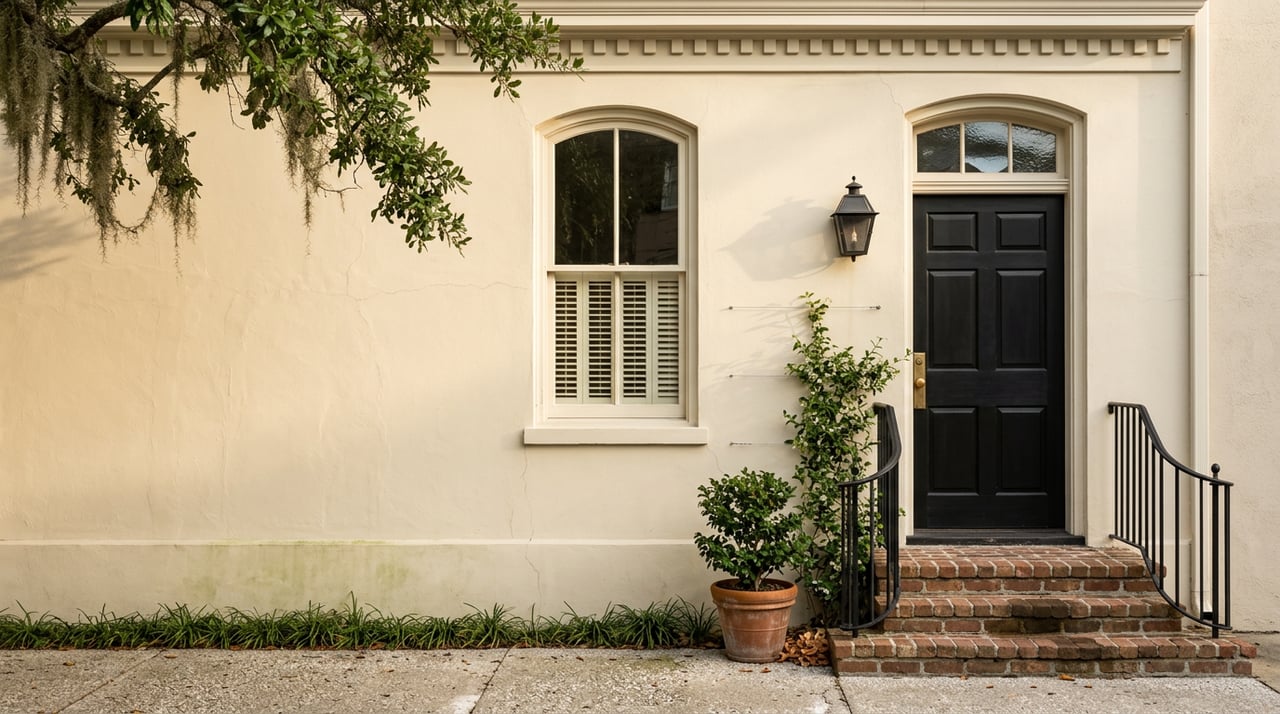
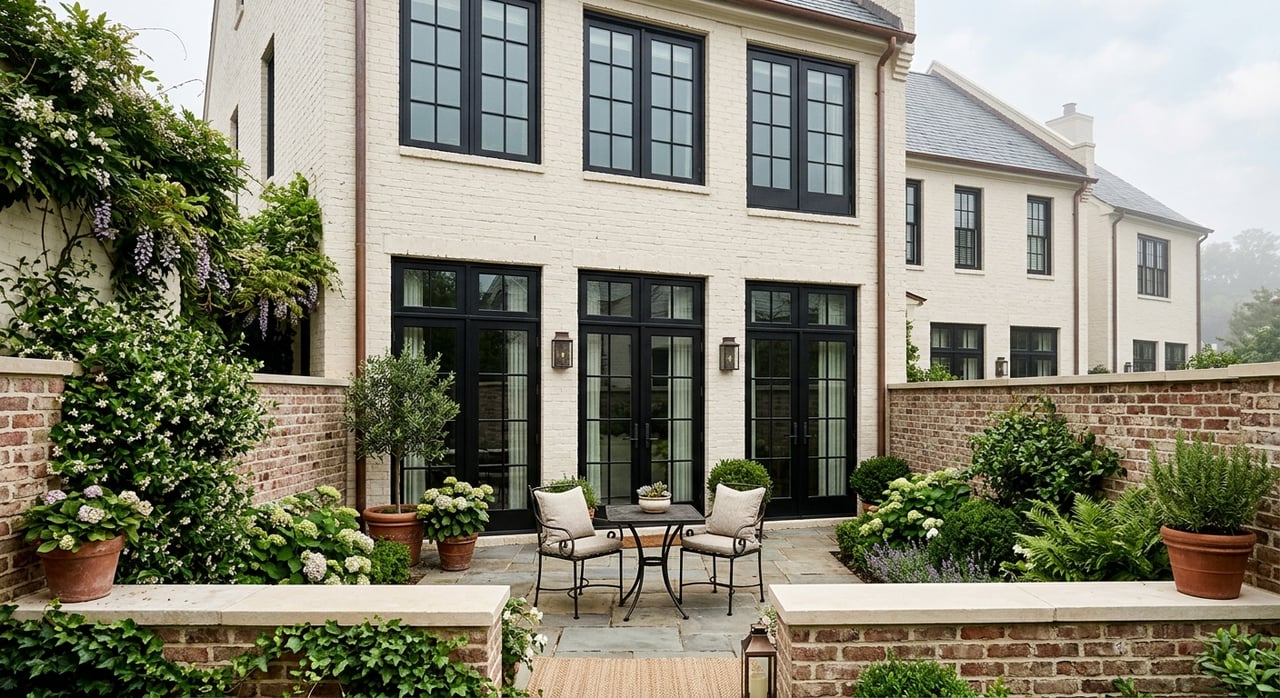
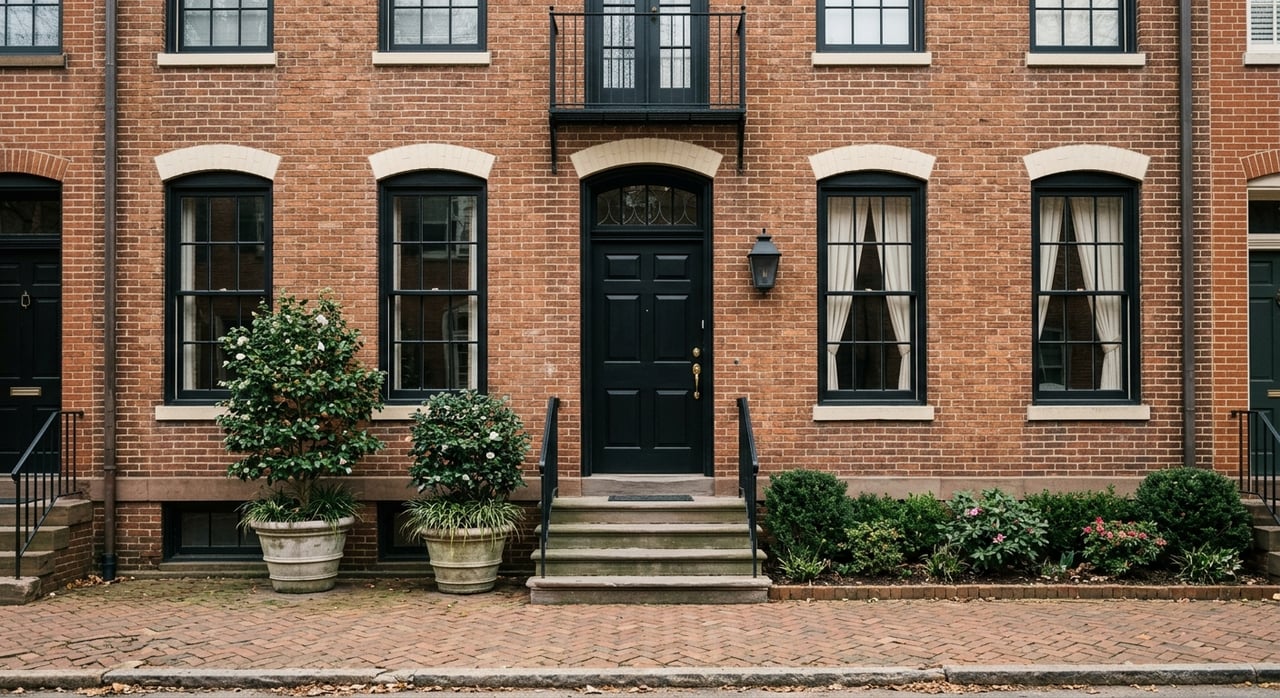
What is unique to downtown is what a pest control company is allowed to do about it. The standard fixes, trenching liquid termiticide along the foundation or tenting the structure for whole-house fumigation, both run into the Historic Preservation Commission's design review. Trenching can disturb ornamental tabby foundations. Tenting is often impractical on rowhouses that share party walls with the house next door, since you can't seal a tent around a wall that isn't fully exposed.
The workaround is treatment that takes longer because it has to be more targeted: localized injection of a product like Termidor SC into the specific joist run that's affected, bait stations placed at less visible points around the foundation rather than a full perimeter trench, or orange-oil injection for smaller drywood pockets. It's the same category of treatment used anywhere, just applied in smaller doses with more precision, which takes more site visits and more time to confirm.
Compare that to a new-construction home in Pooler with a transferable builder's bait bond. A buyer there typically needs just one general pest visit before move-in, since the builder's system is already in place. In Savannah's Landmark Historic District, one documented case required removing and reinstalling decorative plaster just to expose framing near a shared party wall for treatment, a job that alone ran $1,485.
What This Actually Costs and How Long It Takes
| Scenario | Typical Cost | What Drives the Time |
|---|---|---|
| New-construction home with transferable bait bond (Pooler-type) | Single visit, minimal added cost | Builder's existing Sentricon system already in place |
| Standard liquid soil treatment (most of metro) | $1,150 to $3,400 | Straightforward foundation access |
| Bait station system | $1,400 to $3,800 | Ongoing quarterly monitoring |
| Whole-structure fumigation | $2,200 to $5,500 | Requires full tenting, not always possible downtown |
| Historic District localized injection (party wall, tabby foundation) | $1,485 in one documented Landmark Historic District case, once plaster removal was included | HRB-compliant methods only, more site visits |
| Annual termite contract renewal, Chatham County | $185 to $325 | Ongoing, not a one-time cost |
| Structural repair for confirmed damage, older downtown homes | $15,000 to $40,000 or more | Original wood framing, sometimes engineer review required |
The gap between the top and bottom rows is the real story. It isn't that downtown homes are dirtier or more infested than a subdivision in Pooler or Richmond Hill. It's that the rules protecting their exterior character also rule out the treatment methods that clear a report fast, and that adds days to a process with a fixed 30-day deadline.
Keeping the Clock From Running Out on You
A few habits protect a downtown closing timeline without adding real cost:
- If you're buying, ask before you go under contract whether the seller's existing termite bond includes repair and retreat coverage, and whether it will transfer. A bond without transfer language means starting over.
- If you're selling, consider ordering the wood infestation inspection early enough to know what you're dealing with, even before you're within the 30-day window a lender will accept. An early look lets you line up a Historic District-compliant contractor before a buyer's clock is already running.
- Time the official 30-day report to your realistic closing date, not your optimistic one. If your closing has already slipped once, assume it might again and order the report closer to the actual date rather than the original one.
- If a report comes back with anything beyond a clean clearance, ask specifically whether the recommended treatment requires HRB review. A staff-level approval can move in days. A full Board of Review hearing runs on a monthly meeting schedule and can add weeks.
- Remember that Georgia's disclosure law, O.C.G.A. § 44-1-16, requires sellers to disclose known termite damage and treatment history. Getting ahead of that disclosure with documentation in hand is faster than discovering it mid-contract.
None of this changes the underlying math. Savannah's climate guarantees termite pressure on almost every downtown property built before modern treatment standards existed. What changes the outcome is knowing, before you're 20 days into a 30-day clock, that the fix will take longer here than it would three miles away.
FAQ
Does every downtown Savannah sale require a termite report? Not by state law, but in practice nearly every financed sale does. VA loans require it statewide in Georgia. FHA and USDA loans require it when triggered by visible evidence, which is common in older homes. Conventional lenders generally require a clear report as a condition of funding even though it isn't a legal mandate.
If the seller has an active termite bond, does that mean the report will be clean? Not necessarily. A bond means the property has ongoing treatment and monitoring. The wood infestation report is a point-in-time inspection, and it can still document damage that occurred before the bond started or damage the bond doesn't cover.
Why can't a Historic District home just be tented like anywhere else? Whole-structure fumigation requires sealing the entire building under a tent, which is often not feasible on rowhouses sharing party walls with neighboring structures. The Historic Preservation Commission's design review also limits work that would affect visible masonry or ornamental foundation elements, which is why localized injection and discreetly placed bait stations are more common downtown.
What happens if the 30-day report expires before closing? The lender will require a new inspection, which means a new fee and, if treatment is still incomplete, a new clock. Timing the inspection to a realistic closing date is the simplest way to avoid this.
If you're weighing a purchase or a listing inside Savannah's Historic District and want a clearer read on how these timelines actually play out on a specific street or block, McIntosh Realty Team can walk through what to expect before you're under a contract clock. Contact Us.