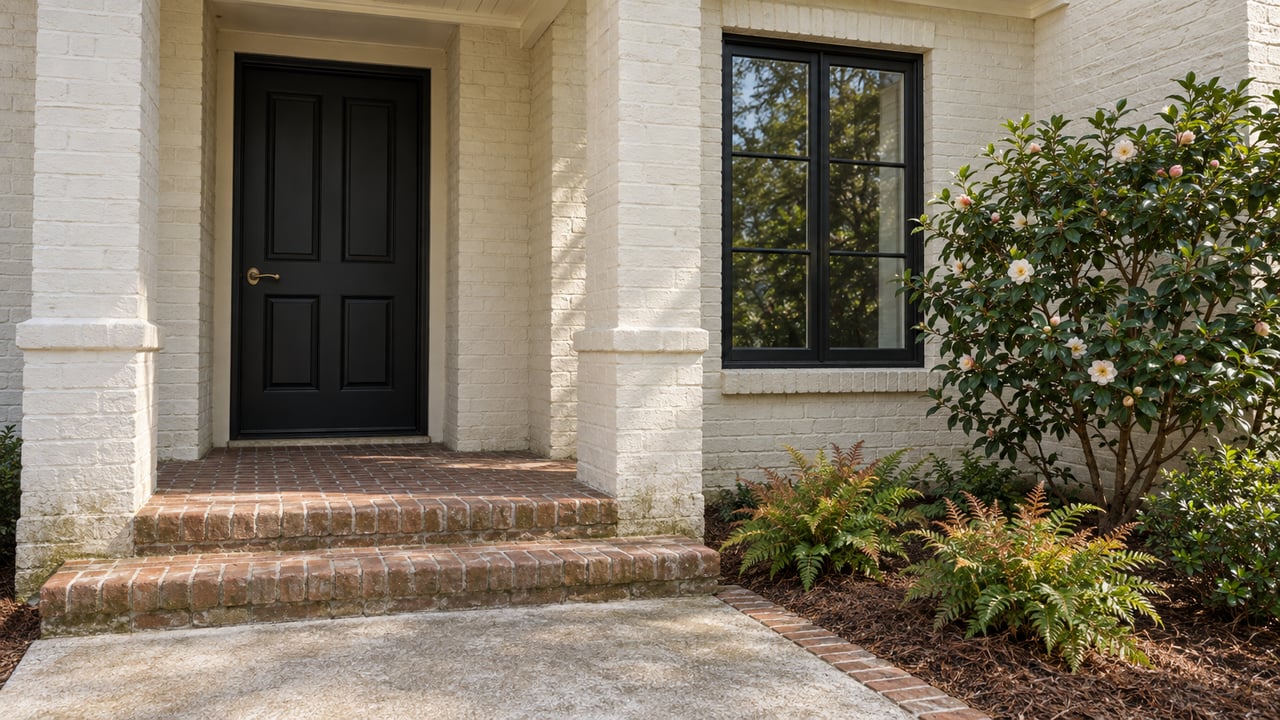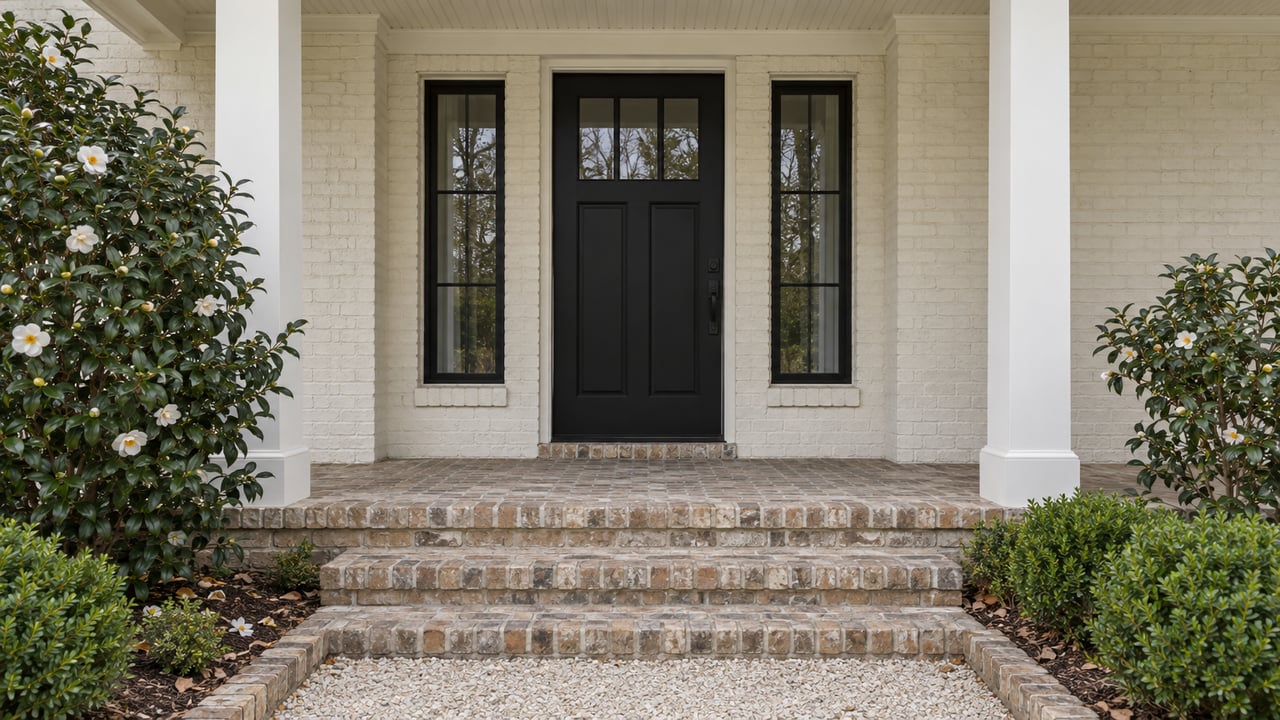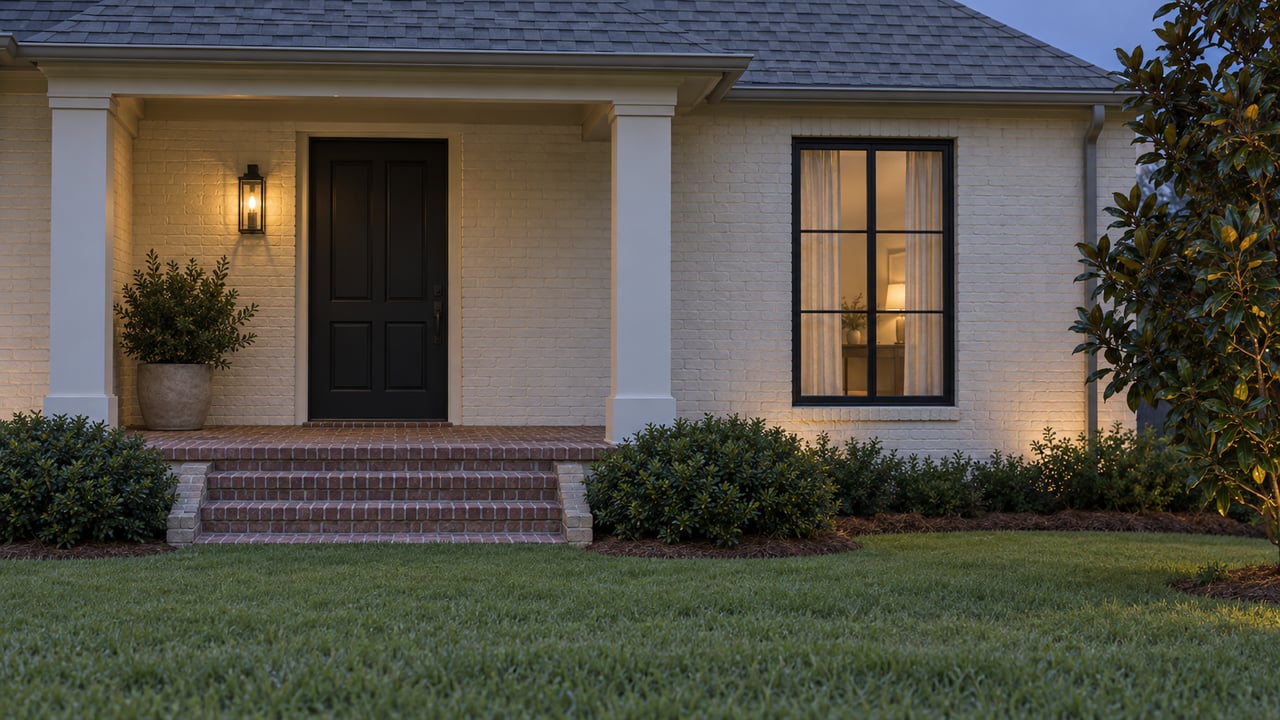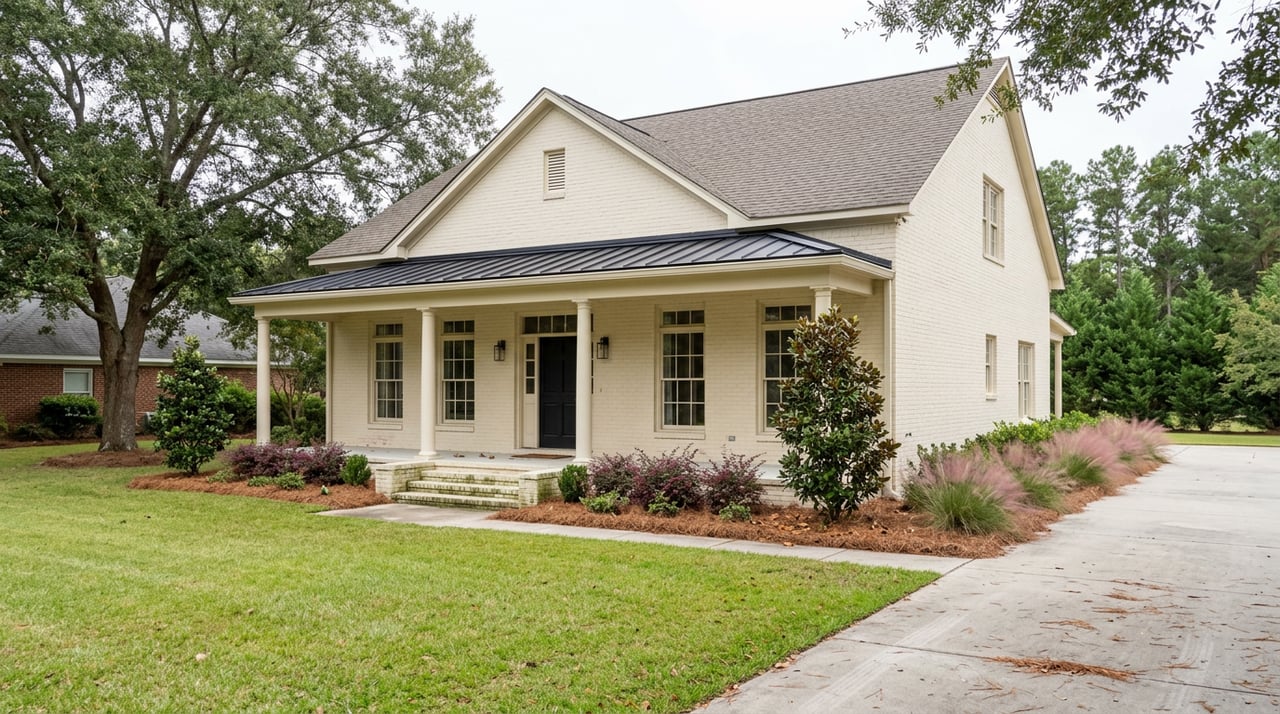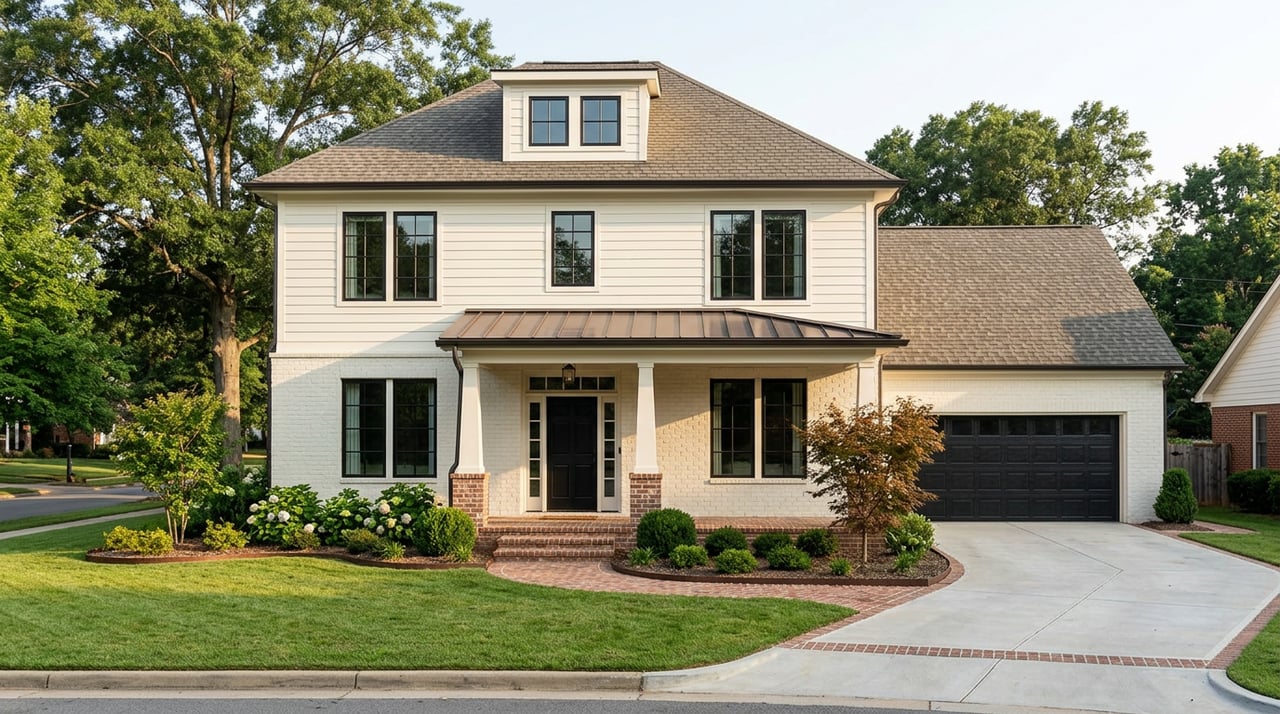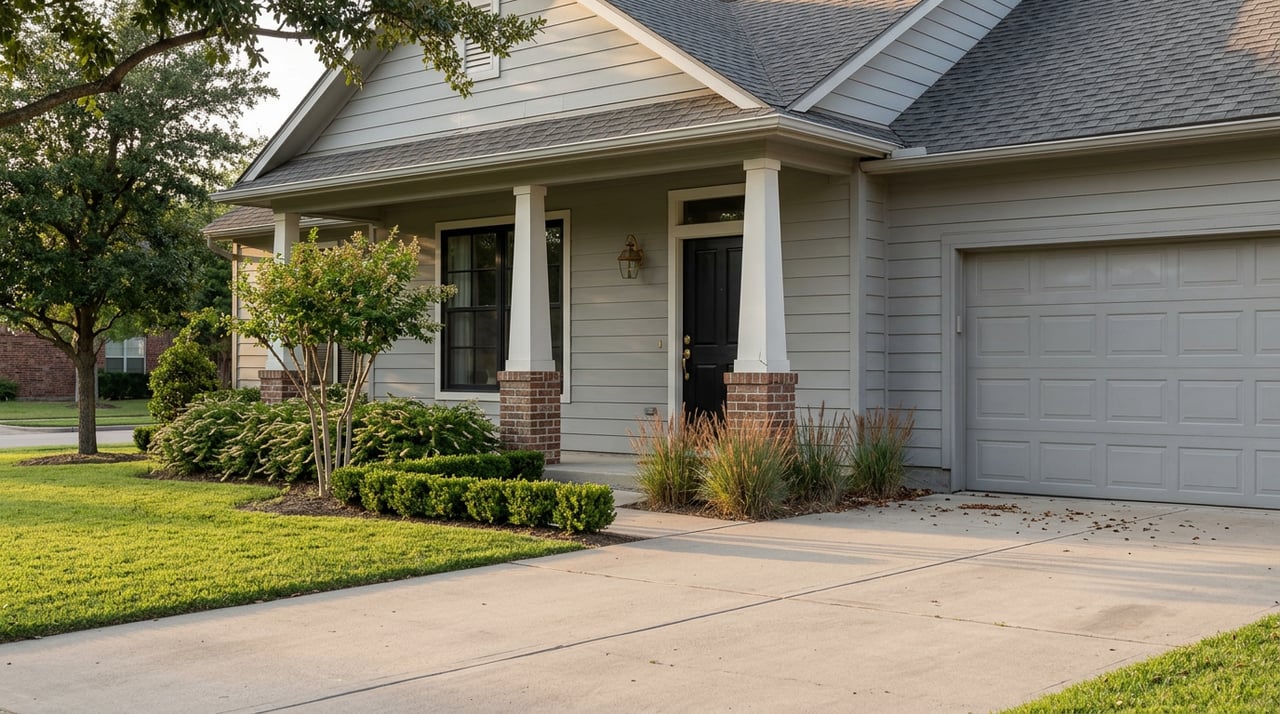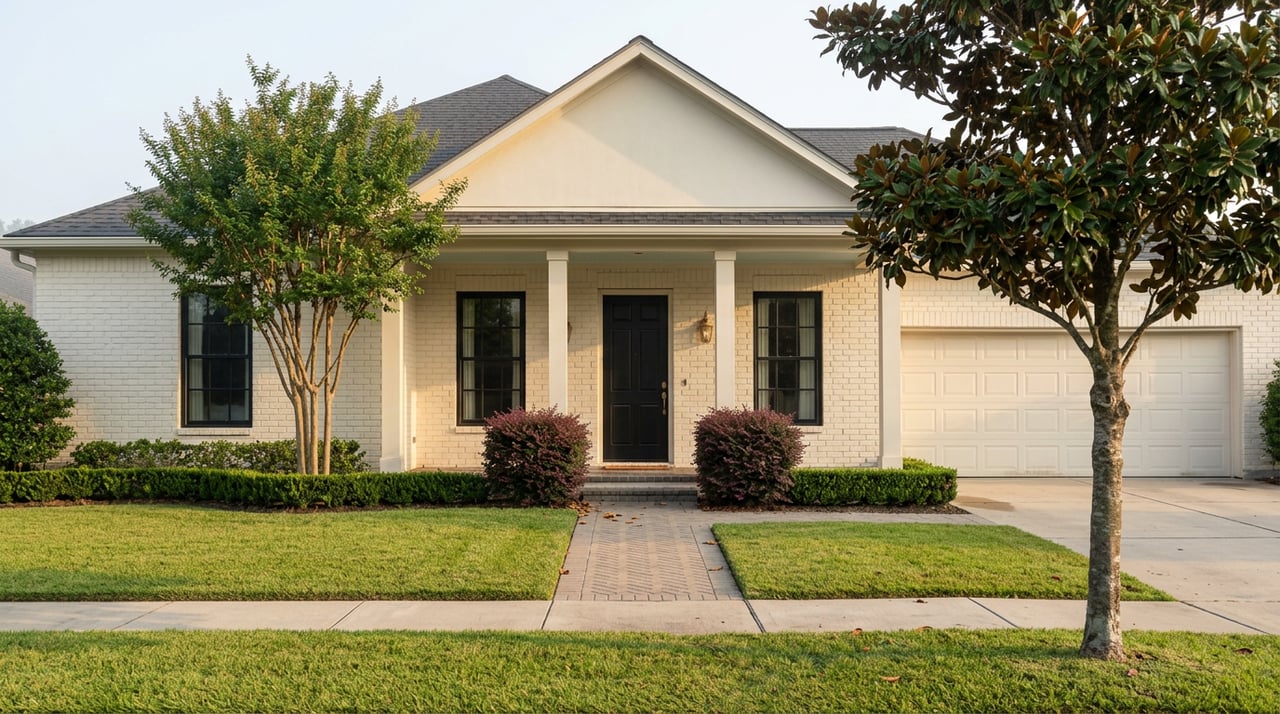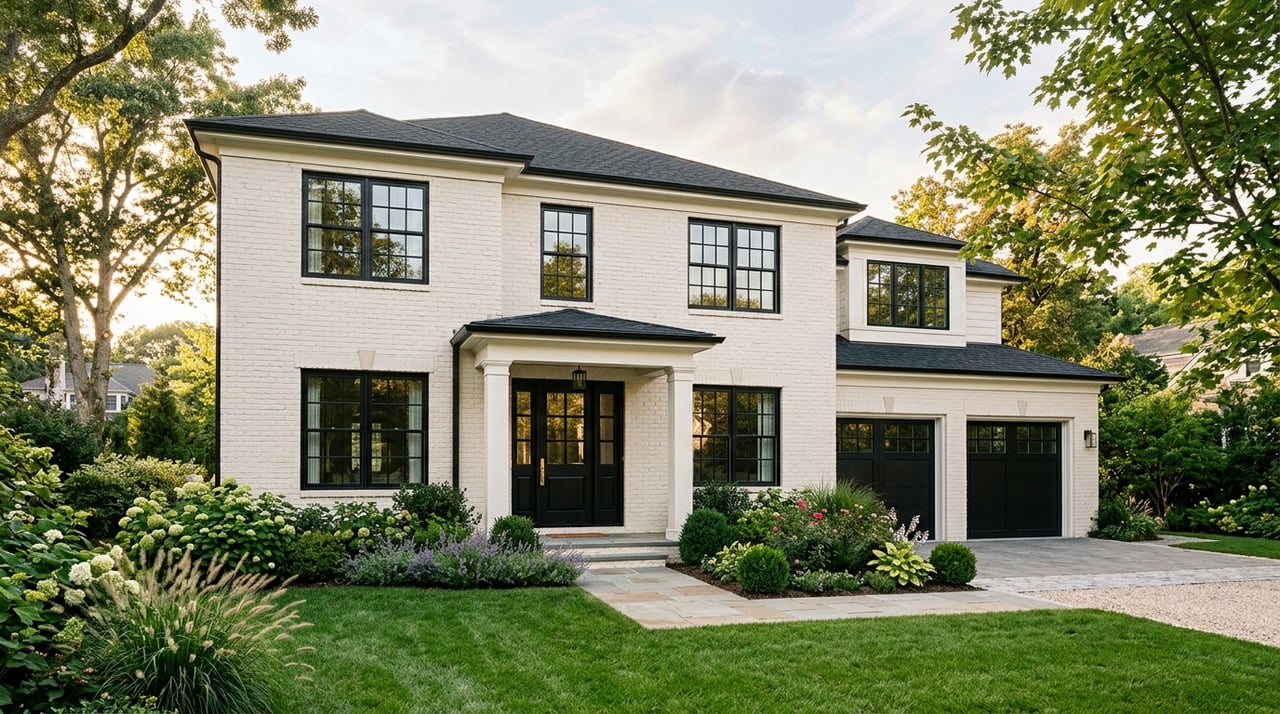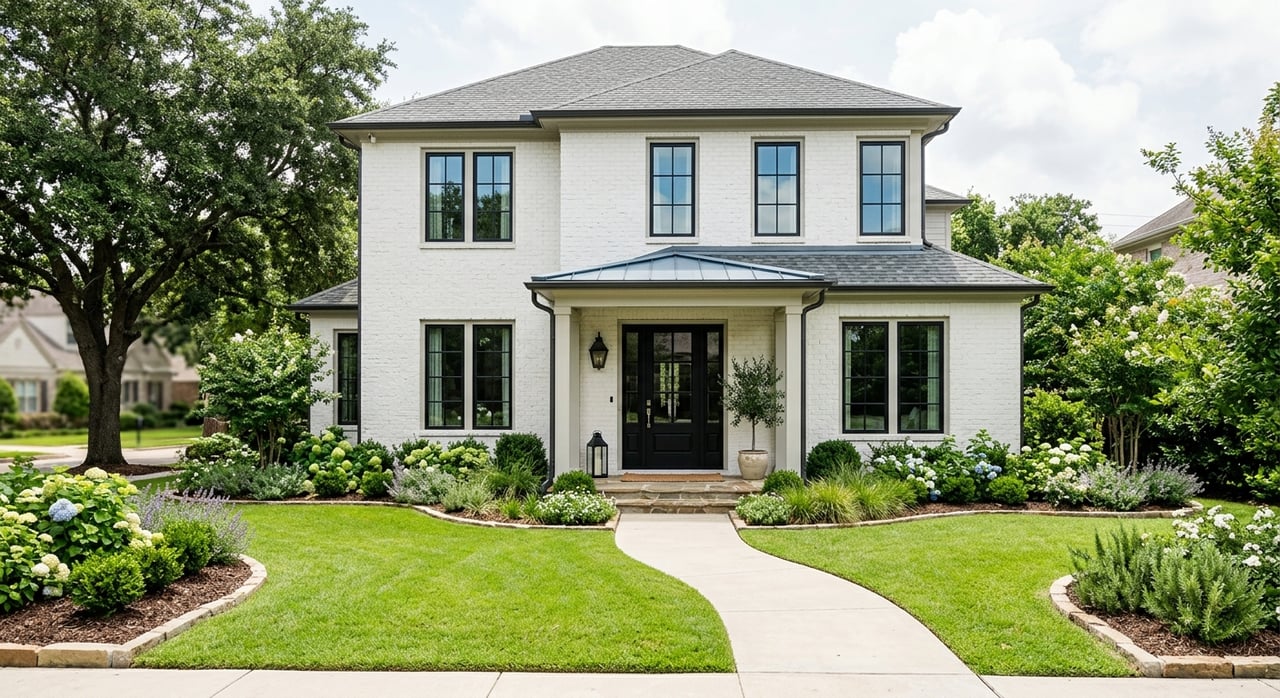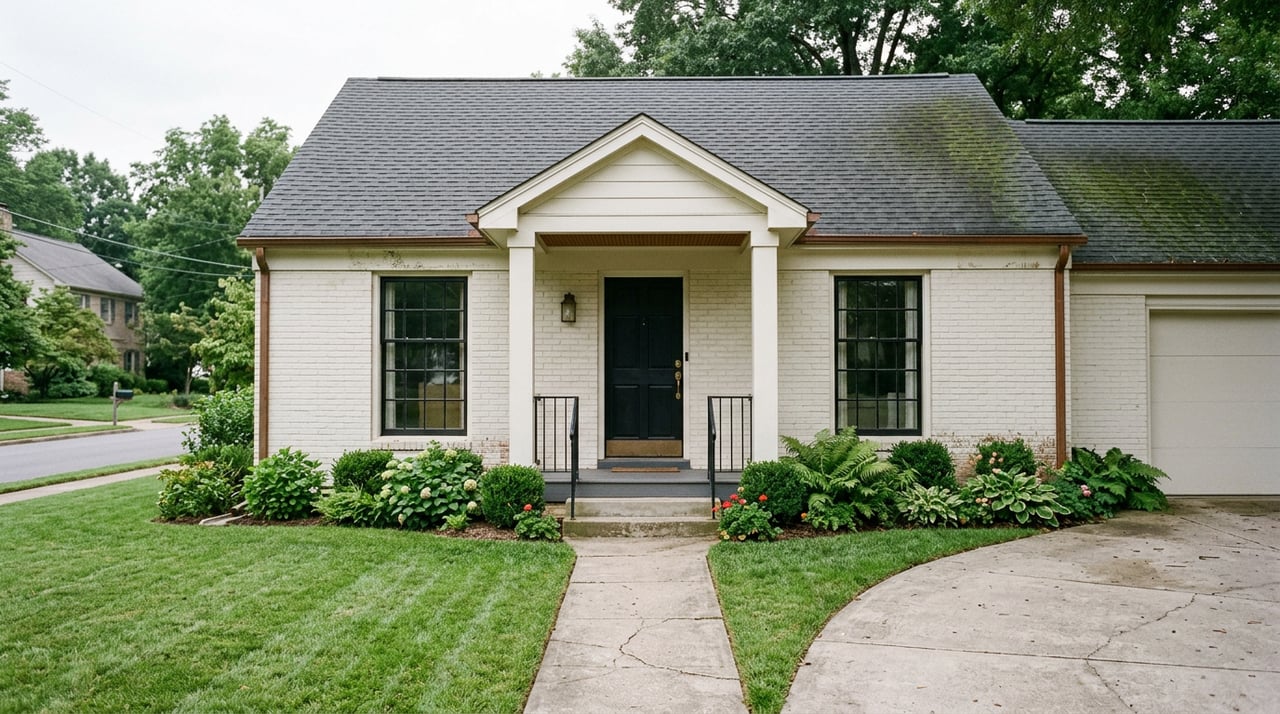
Pull up two Richmond Hill listings priced within a few thousand dollars of each other and you'll likely find near-identical square footage, similar lot sizes, and comparable finishes. What the listing photos won't show you is which side of an invisible boundary each house sits on, and that boundary decides something the price tag never mentions: whether your monthly housing cost includes a flat city utility bill or a private well and septic system that you alone are responsible for testing, permitting, and eventually replacing.
That boundary is the Richmond Hill city limit. It runs through Bryan County in a shape that has changed more than once as the city has annexed land, and it separates two genuinely different ownership experiences that a comparable-price search will never surface on its own.
A City That Grew Faster Than Its Own Pipes
Richmond Hill's population sat at 9,281 in the 2010 census. By the 2020 census it had reached 16,633, and estimates for 2026 put the city near 20,800, a growth rate of roughly 3.79% a year. That is not a slow build. It's the kind of growth that forces a small city to rebuild its water and wastewater systems ahead of demand rather than behind it, and Richmond Hill's own wastewater page is candid about how that felt in practice.
"Southeast Georgia never expected to grow so fast."
That line, from the city's Wastewater Treatment Plant page, explains why Richmond Hill replaced its older constructed-wetland treatment approach with a membrane bioreactor plant at Sterling Creek. The upgrade doubled treatment capacity from 1.5 million gallons a day to 3.0 MGD, with room to expand to 4.0 MGD if the city adds more membrane cassette equipment. The system now runs through 48 lift stations, 29 force mains, and close to 74 miles of gravity main inside city limits, all of it built to reduce the nutrient load the city sends into the Ogeechee River Basin.
Richmond Hill has also earned the state's WaterFirst Community designation for high water quality, which qualifies the city for reduced interest rates on the infrastructure loans that fund this kind of expansion, some carrying rates as low as 1.44%. The city reevaluates its water and sewer rates annually, so a buyer moving inside city limits is stepping into a system that is actively managed, actively funded, and billed on a predictable schedule.
What's Happening on the Other Side of the Line
Step outside that boundary into unincorporated Bryan County and the picture changes. The county's own water and sewer system, separate from the city's, is split into a north end and a south end. The north end runs off a single well site feeding a 500,000-gallon elevated storage tank through about four miles of distribution pipe. The south end draws from four well sites across roughly 30 miles of pipe. Together the two systems serve approximately 1,400 customers, a fraction of the county's households. Bryan County's water department describes the county as one of the nation's fastest-growing, and says its infrastructure is expanding to keep pace, but plenty of rural lots in the county still sit entirely outside any public water or sewer system, relying instead on an individually owned well and septic tank.
That distinction matters more than it sounds like it should, because it changes what a buyer has to verify before closing and what they own once they do.
| Inside Richmond Hill City Limits | Unincorporated Bryan County (well and septic) | |
|---|---|---|
| Water source | City system, treated and metered | Private well or county well system (where available) |
| Wastewater | Sterling Creek Water Reclamation Facility, city sewer | Individual septic tank on the property |
| Billing | Flat monthly city utility bill, rates reviewed annually | No utility bill, but owner funds all maintenance and repair |
| Pre-purchase diligence | Utility account transfer | Septic inspection, possible well water test |
| Permit path for renovations | City building permit process | County Public Health Department approval required if septic is affected |
| Failure cost exposure | Borne by the city system, spread across ratepayers | Borne entirely by the homeowner |
The Diligence List Nobody Mails You
Buying a well-and-septic home in Bryan County isn't riskier than buying inside city limits. It's just a different set of homework, and it's homework that tends to surface during due diligence rather than before an offer is written.
Bryan County's own permitting rules make this concrete: if a property is served by an individual septic system and a planned project could affect it, the county requires sign-off from the Public Health Department before a building permit is issued. That's not a formality you can skip by paying a fee faster. It's a separate approval track layered onto the standard permit process, and it applies whether the "project" is a home addition or a garage conversion.
Georgia's statewide septic rules add another layer worth knowing before you're standing in a closing office. Any tank installed after February 2000 is required to have two compartments, and the state recommends pumping every three to five years depending on household size and tank capacity. A standard septic inspection typically runs $400 to $600, and if a system turns out to have failed, that finding alone can knock $10,000 to $30,000 off the sale price during negotiation. Lenders don't always mandate an inspection outright. FHA and VA guidelines don't require one in every transaction, but appraisers are trained to flag signs of trouble like standing water or odor, and once that happens, a full evaluation from the county Public Health office usually follows anyway.
For buyers who'd rather handle this before it becomes a negotiating chip, a pre-listing or pre-offer septic inspection with a pump-out typically runs $450 to $800. That's a fraction of what a surprise failure costs mid-contract, and it gives a buyer or seller documentation instead of a guess.
Bryan County has an established base of local contractors who do this work regularly, which is itself a sign of how common well-and-septic ownership still is outside city limits. S&S Well Drilling and Parker's Septic Tank Services both serve Richmond Hill and the wider county, and Smith Well Drilling, a family-run operation based in Richmond Hill, has been drilling wells across Bryan, Bulloch, Chatham, Effingham, Liberty, and McIntosh counties since 1968. Their continued presence in the market is a practical reminder that plenty of homes in this area were never built to hook into a city line at all.
Before writing an offer on a home outside city limits, a buyer's list should include:
- Confirmation of whether the property is on a private well or the county's north-end or south-end water system
- A septic inspection, ideally including a pump-out if the tank hasn't been serviced in the past three to five years
- A well water test if the home draws from a private well
- Verification of septic permit records with Bryan County, so any renovation plans don't stall waiting on Public Health approval
- A clear answer on who pays for what if the inspection turns up an aging tank, a cracked baffle, or a drain field showing early stress
The Line Keeps Moving
None of this is fixed in place. Richmond Hill has annexed land more than once as it has grown, most notably absorbing thousands of acres in 2017 to accommodate new development, and the city continues to fund infrastructure projects, like extending gravity sewer lines and reworking pump stations, specifically to bring newly annexed or newly developed parcels onto the city system. A lot that sits on well and septic today could be inside the city's utility footprint in a few years. That's useful context for a buyer weighing a longer hold, but it's not something to bank on for a purchase happening this year. The map you should trust is the one that reflects where the boundary sits today, not where it might sit eventually.
The practical takeaway for anyone comparing Richmond Hill listings side by side: the price per square foot tells you almost nothing about which of these two ownership experiences you're buying into. The city limit does. Before you fall in love with a floor plan, find out which side of that line it's standing on.
If you're comparing homes across Richmond Hill and want a clear read on which side of the city line a specific listing falls on, and what that means for your closing checklist, the McIntosh Realty Team can walk through it with you property by property.