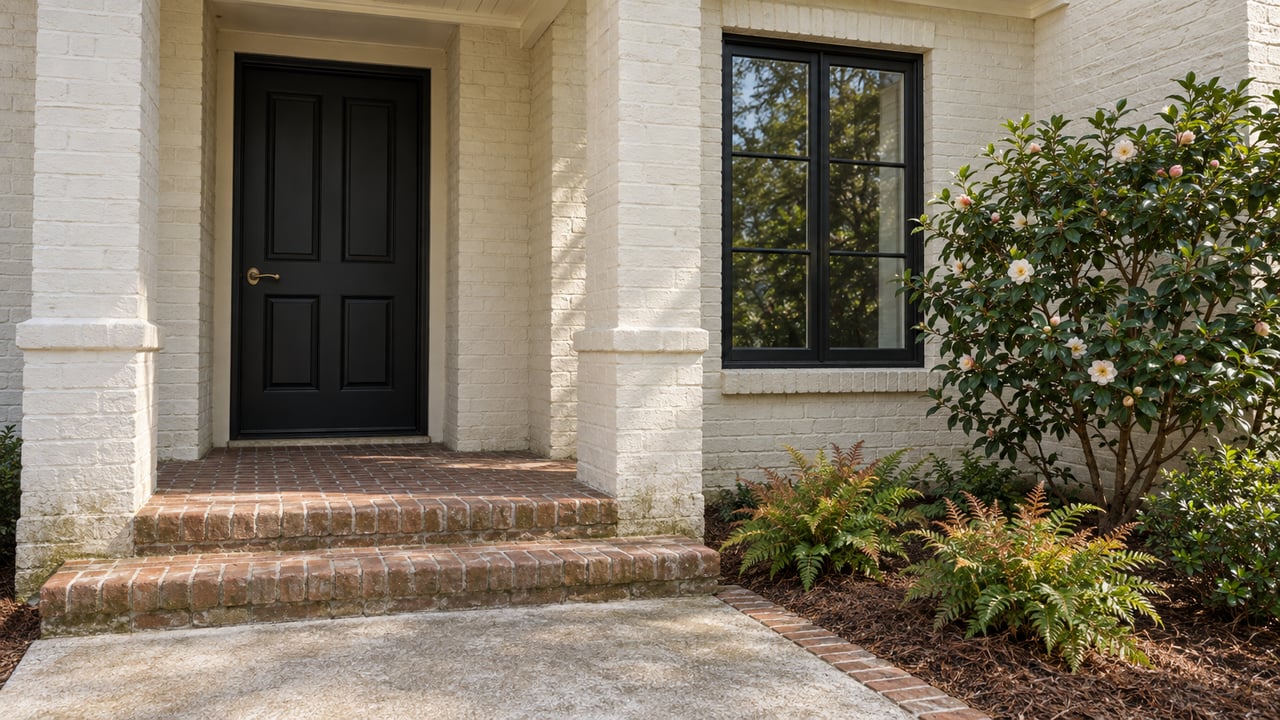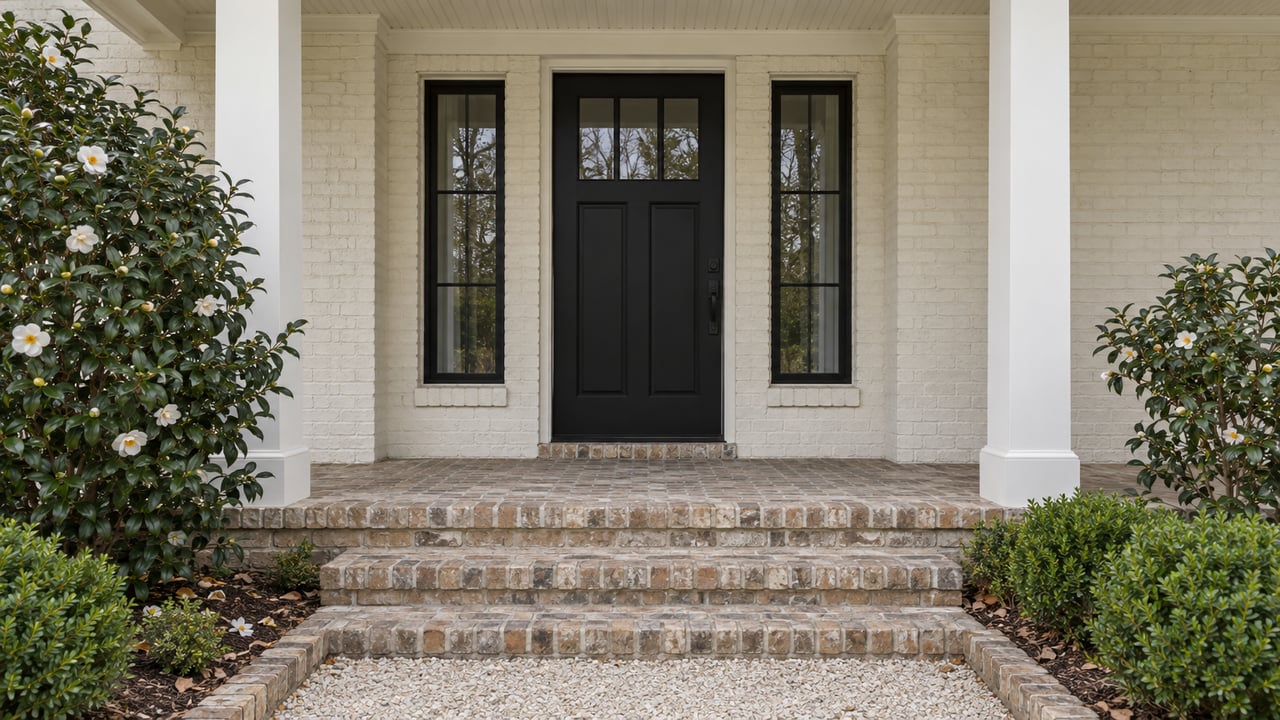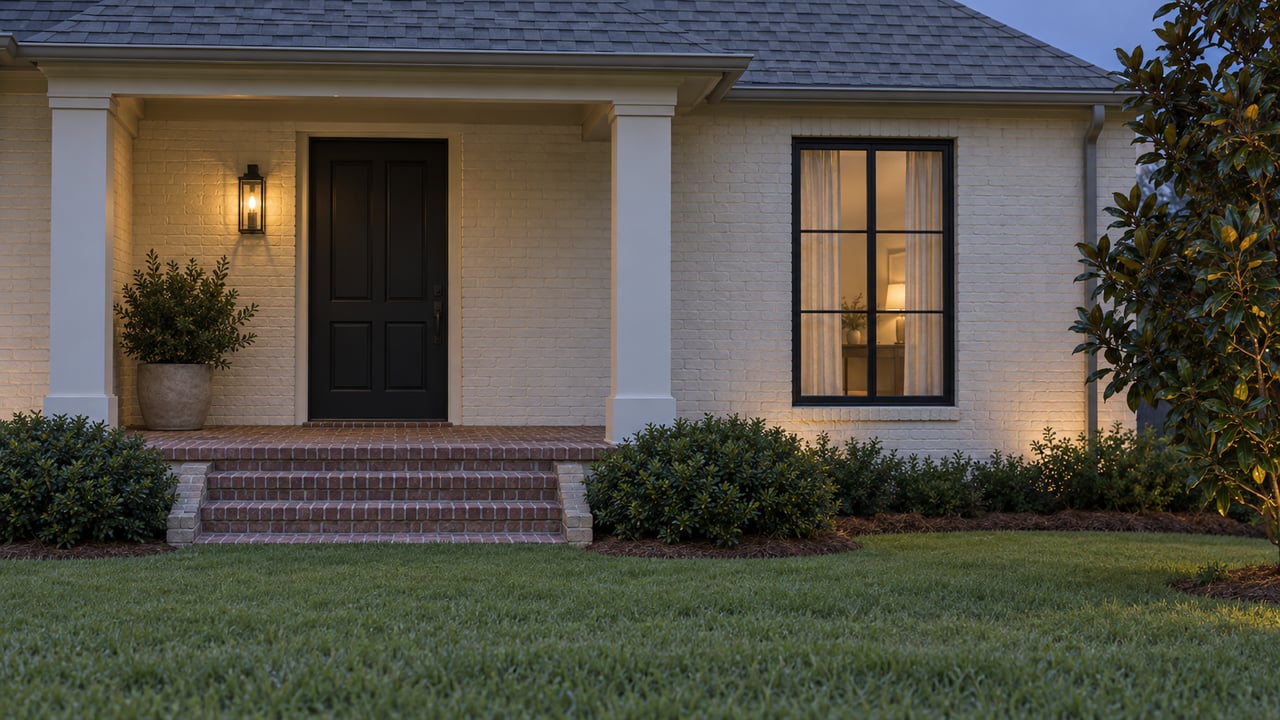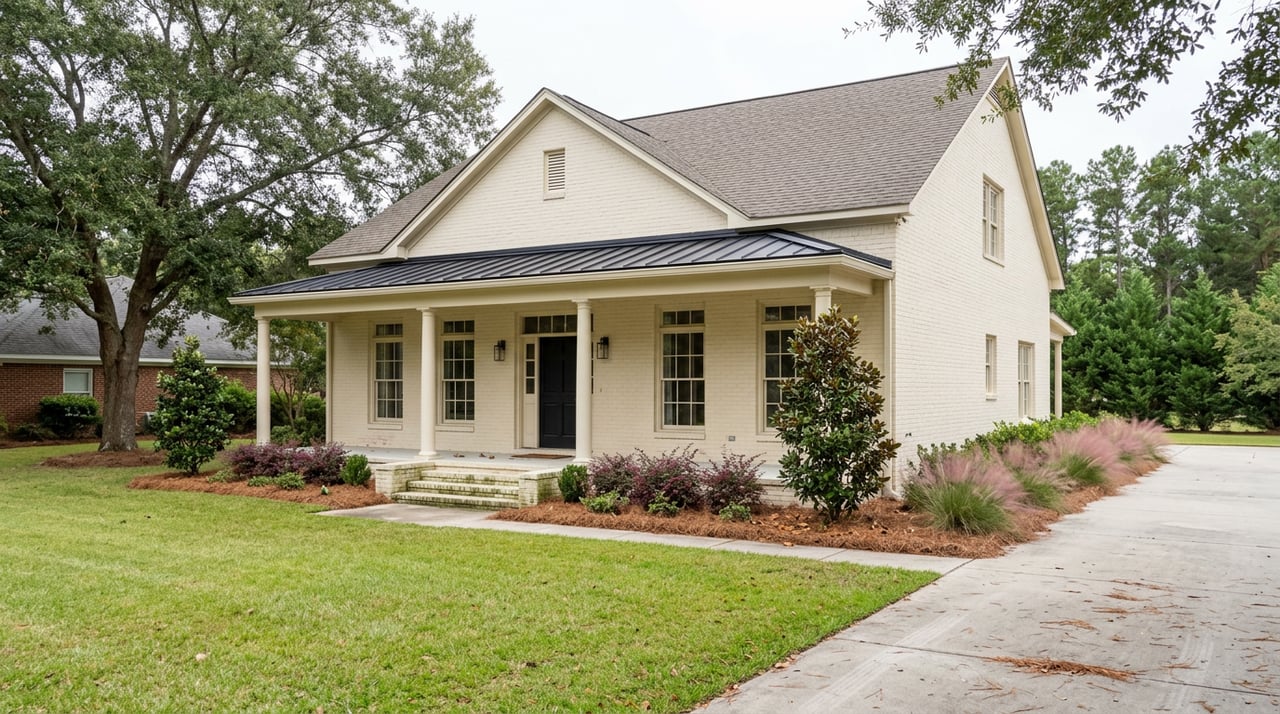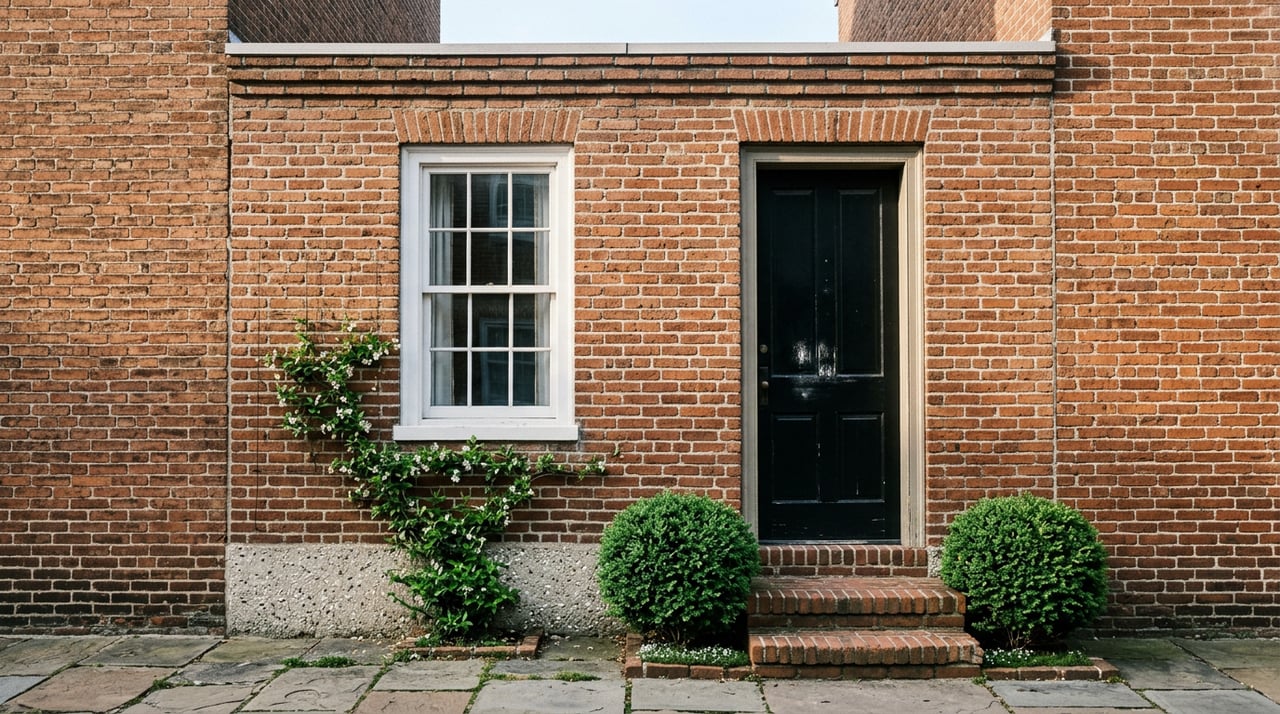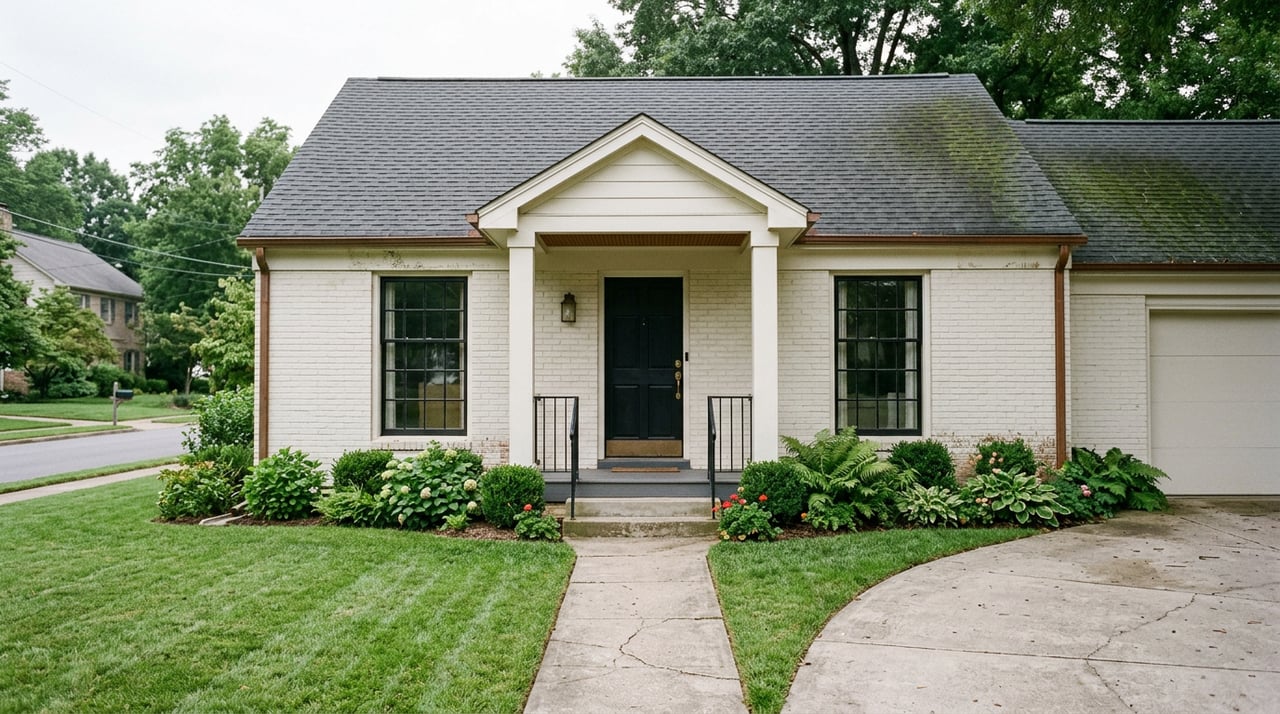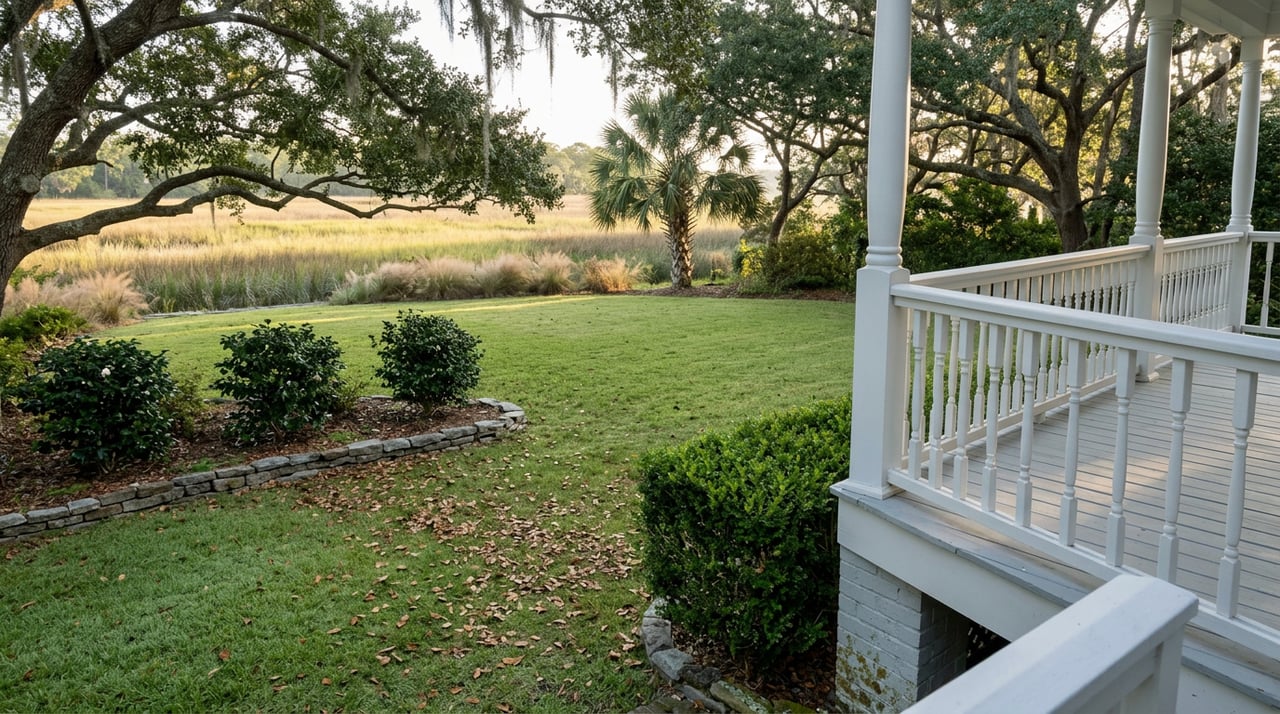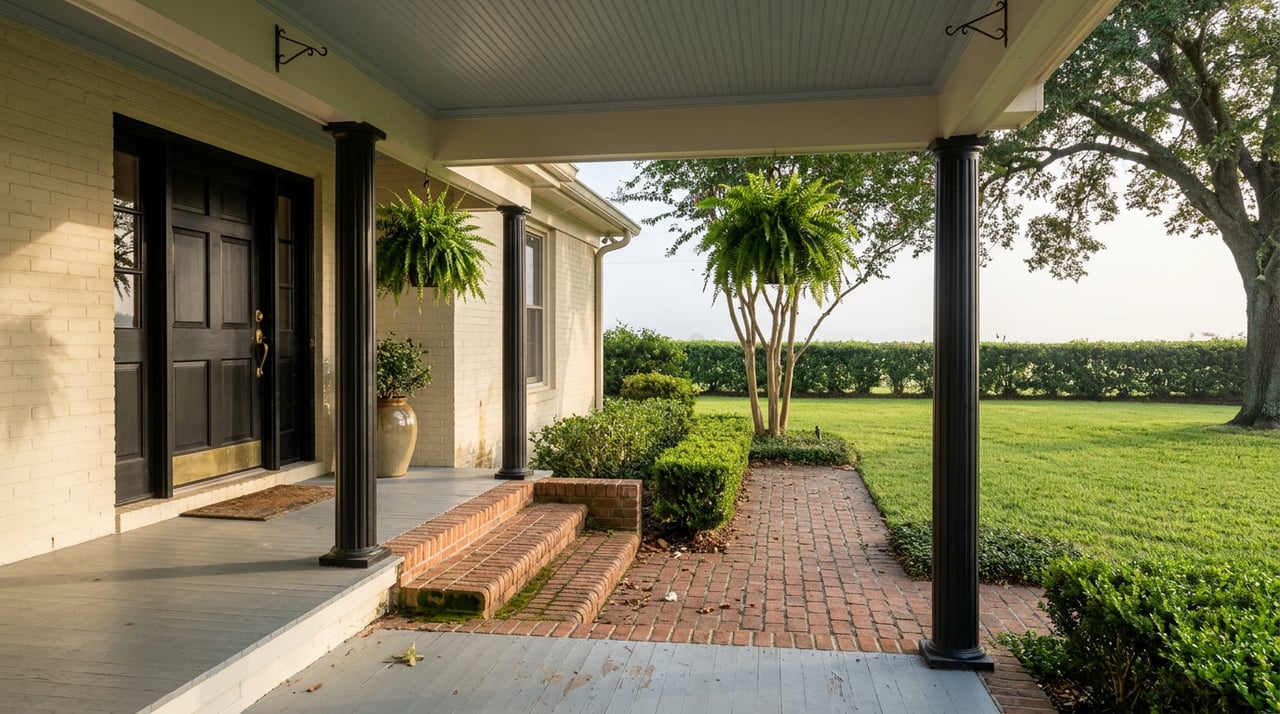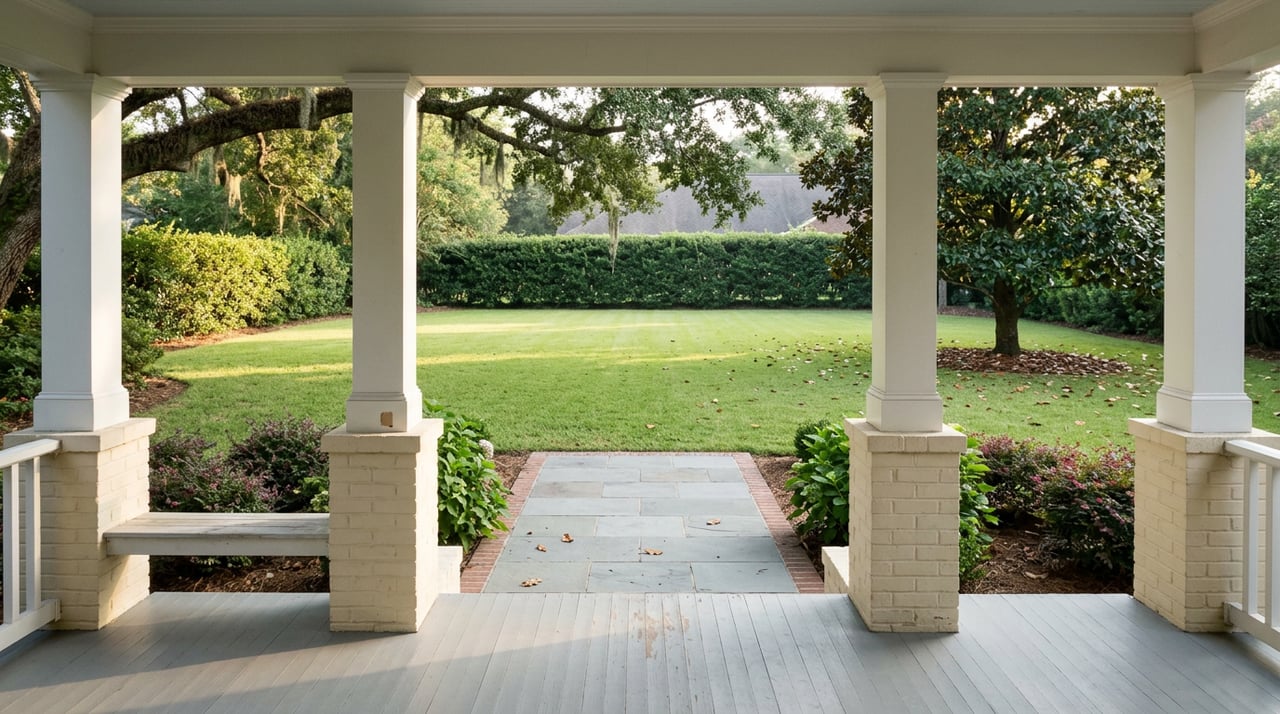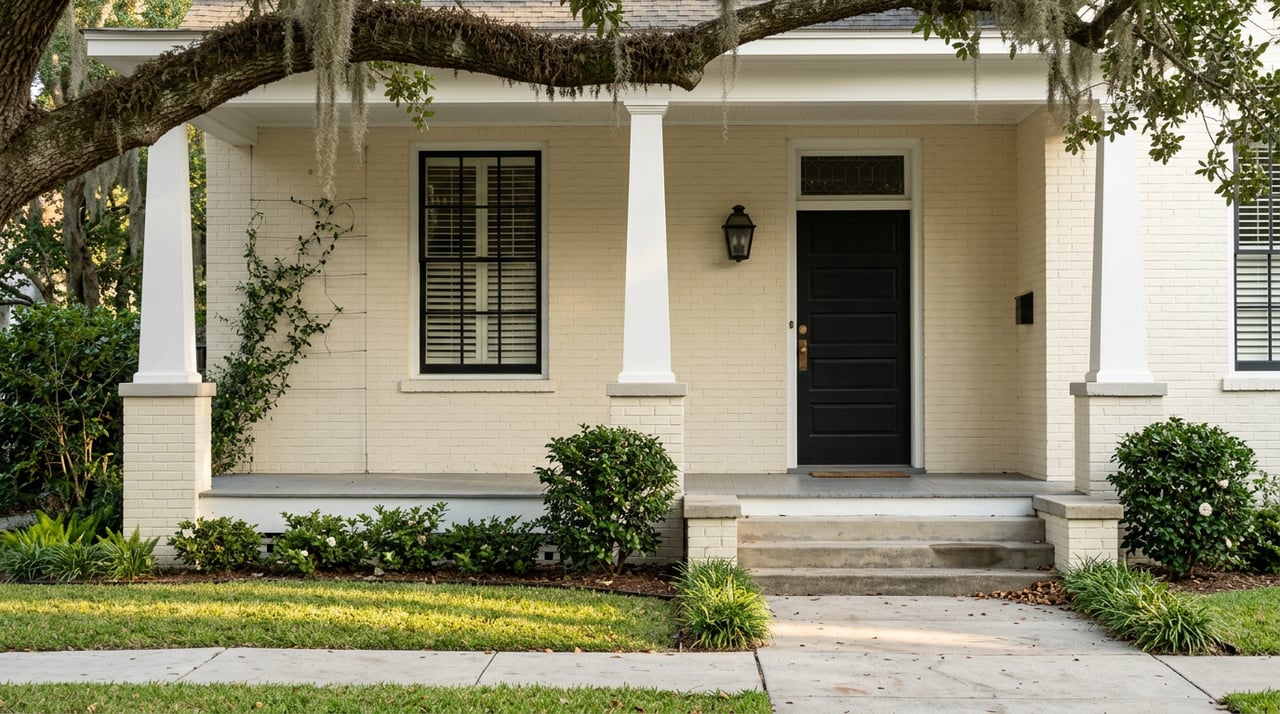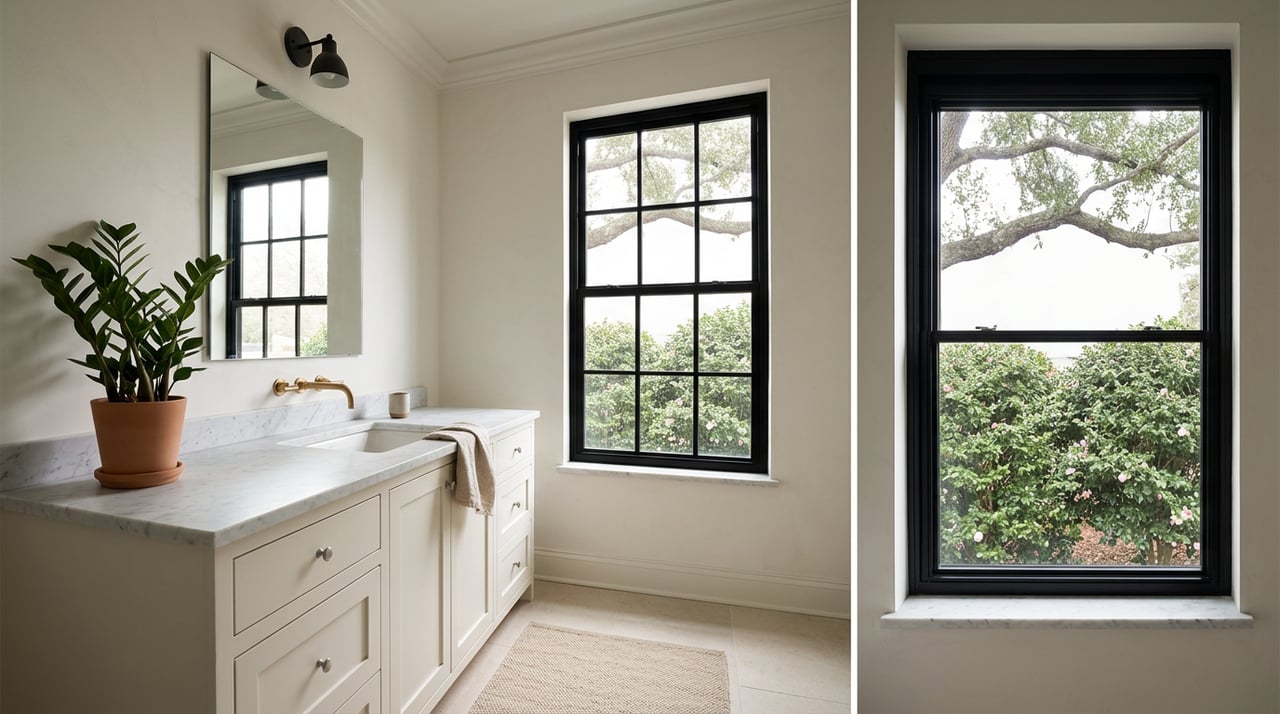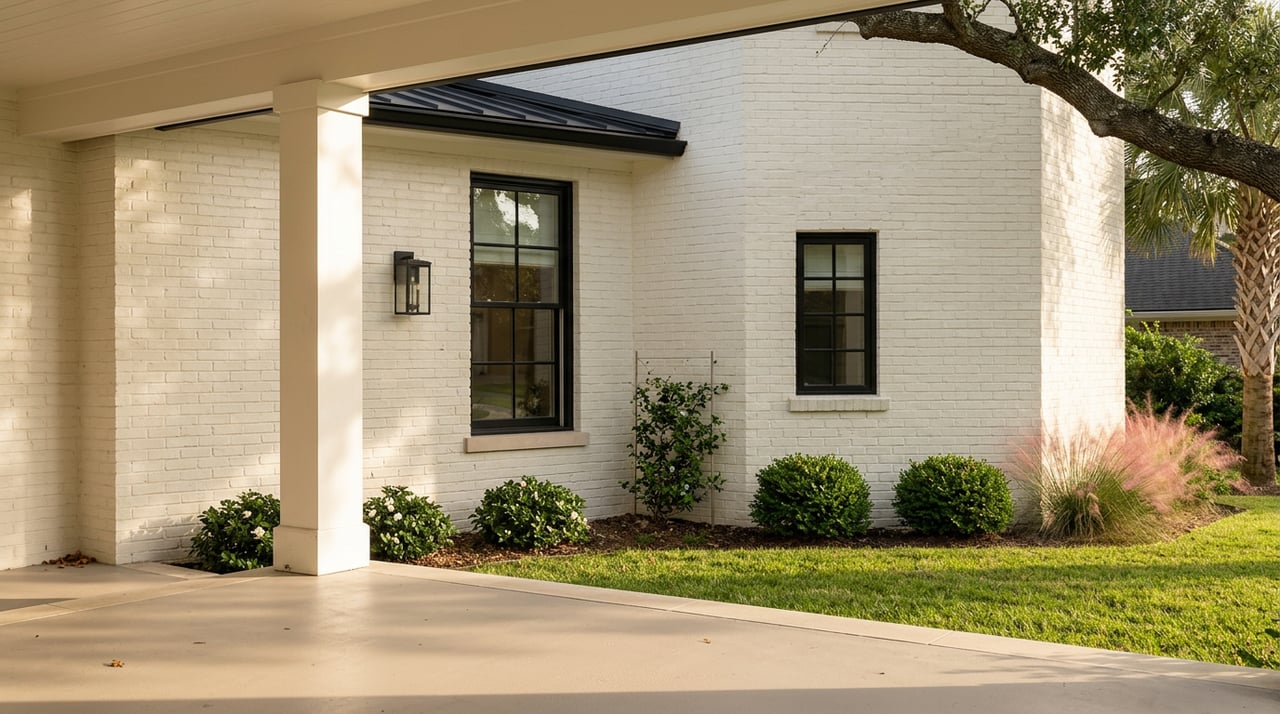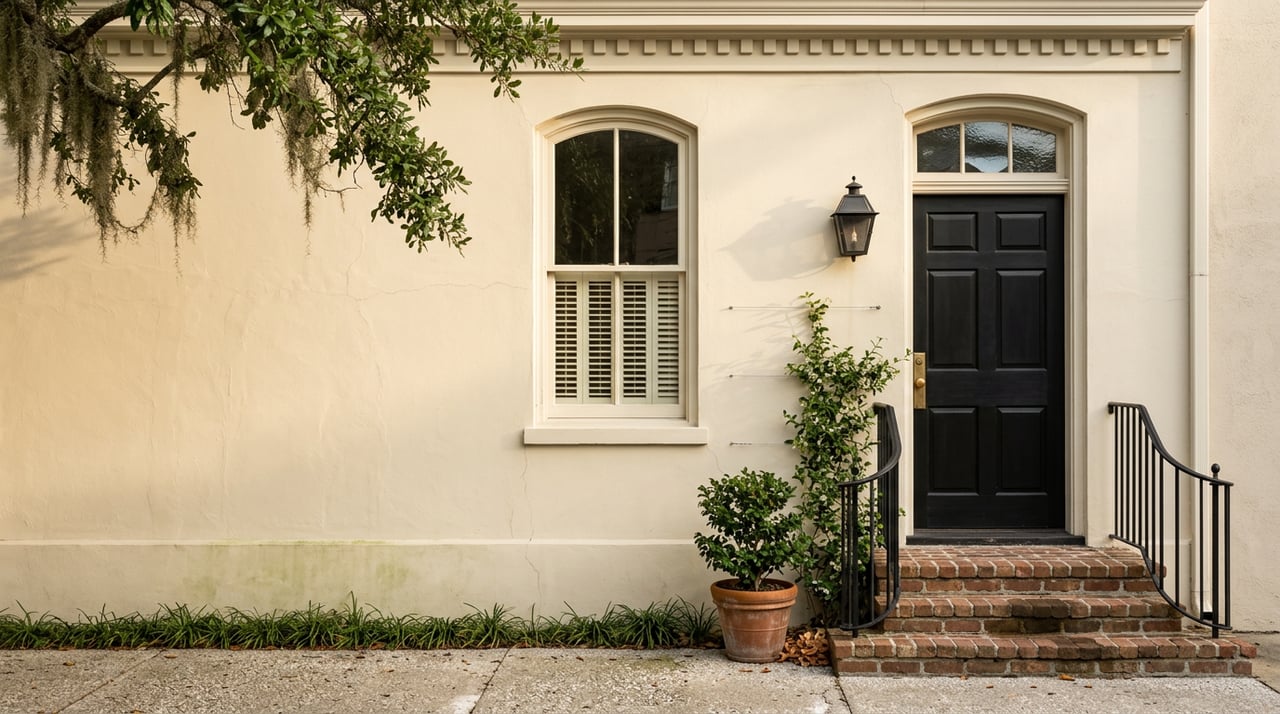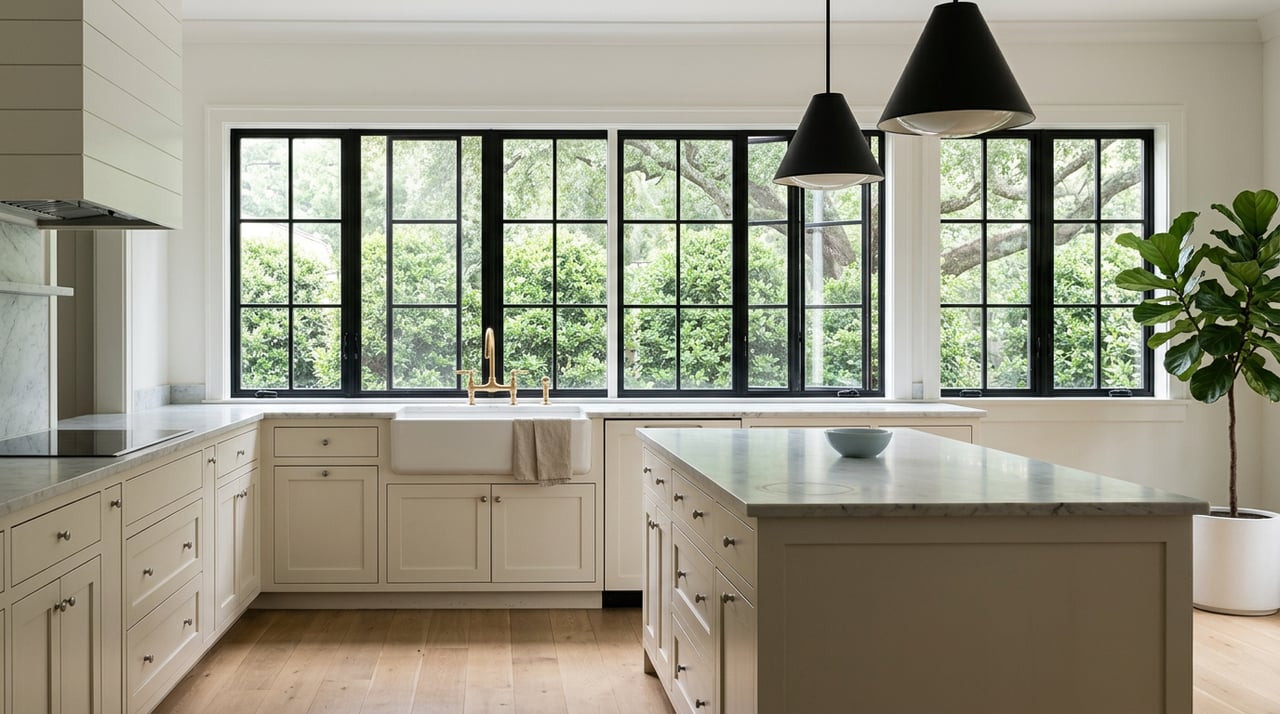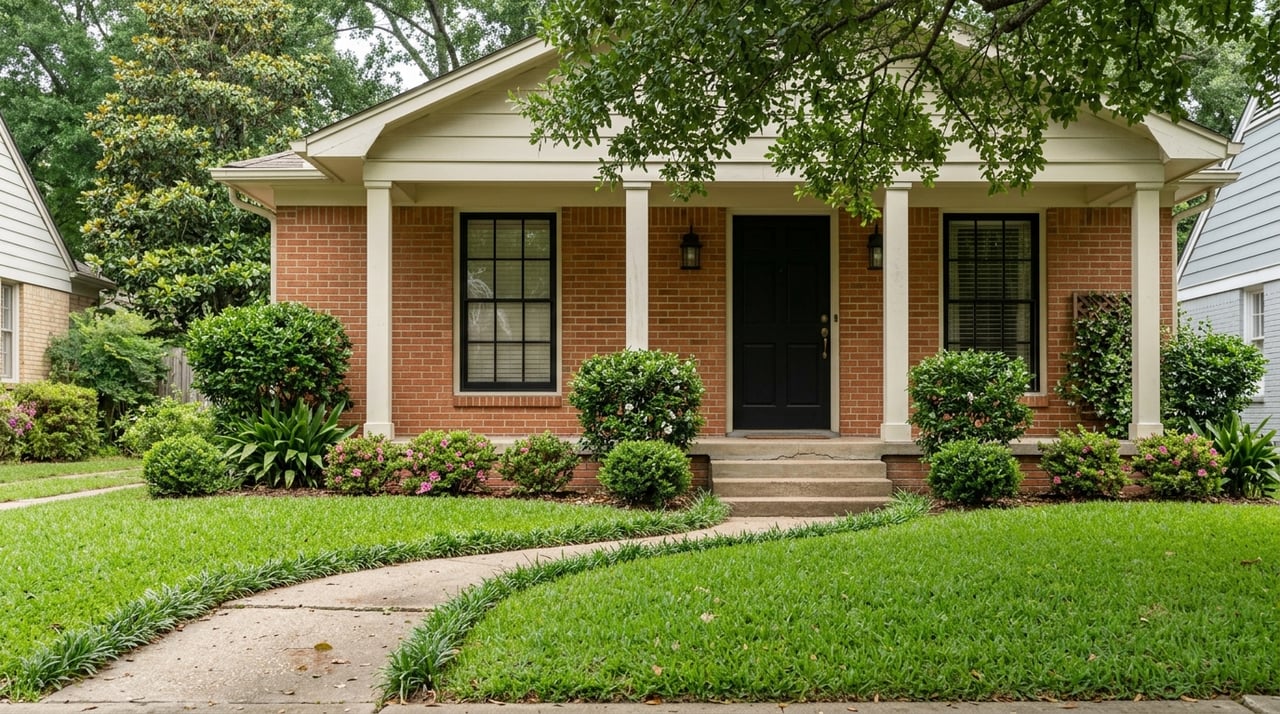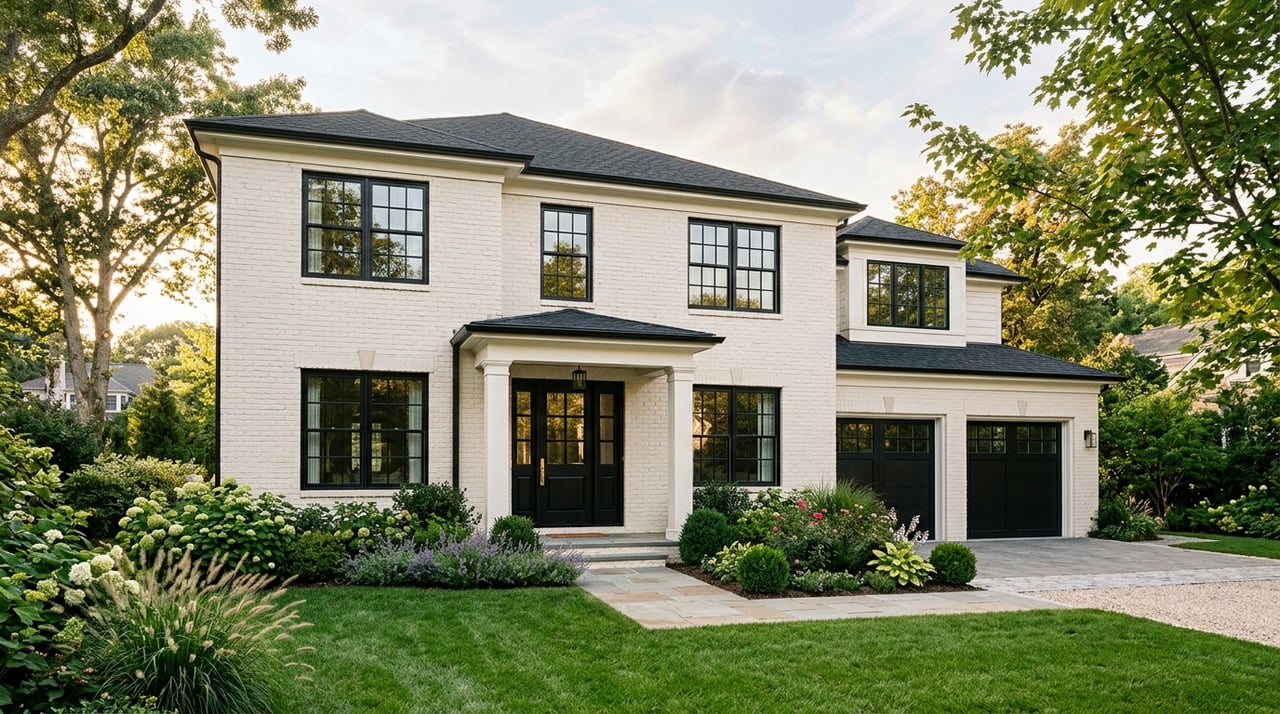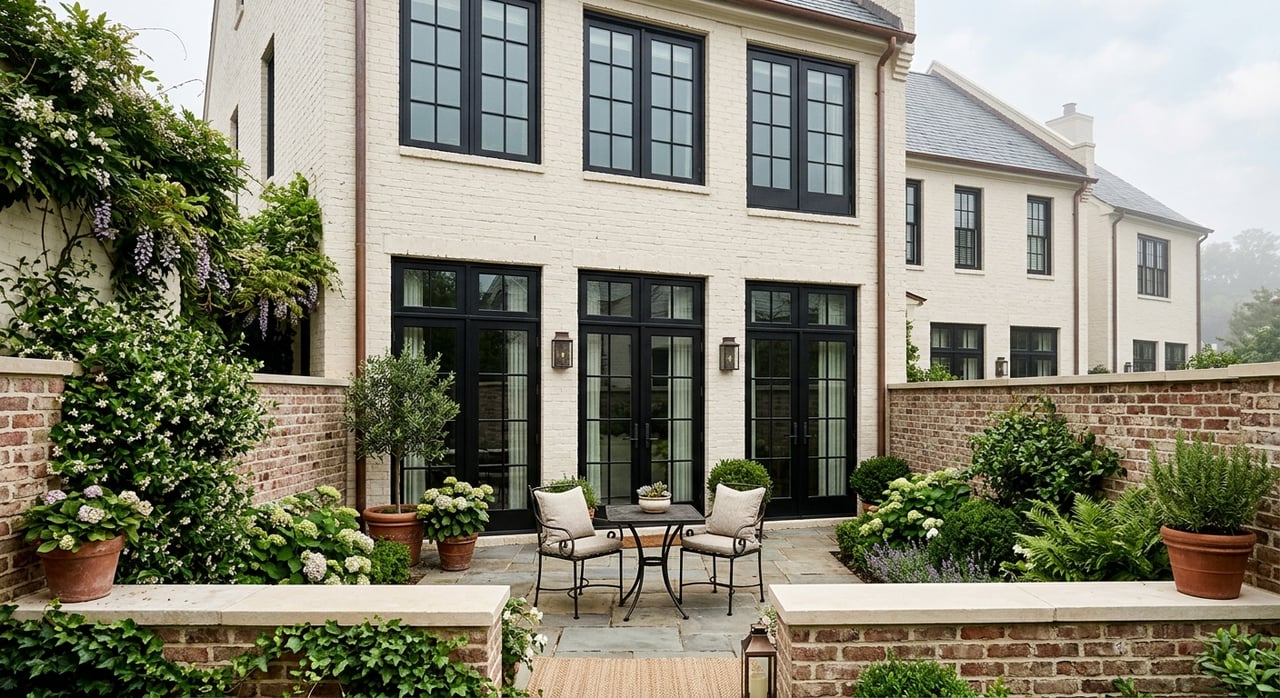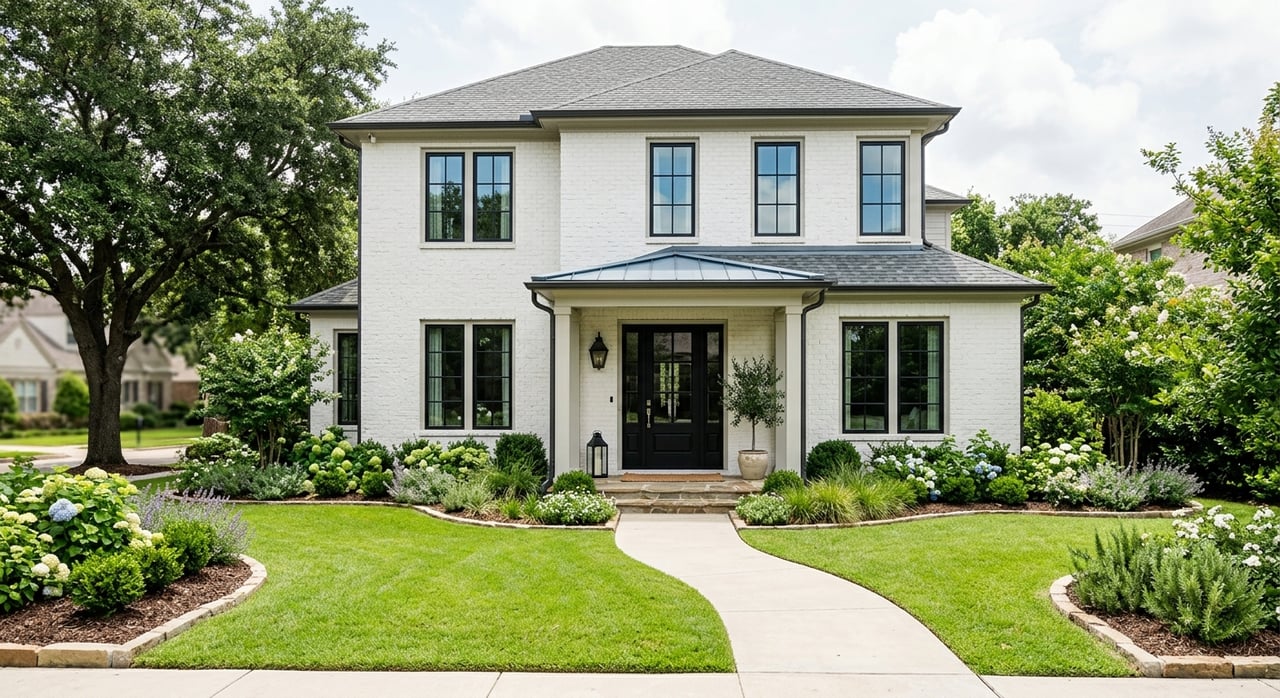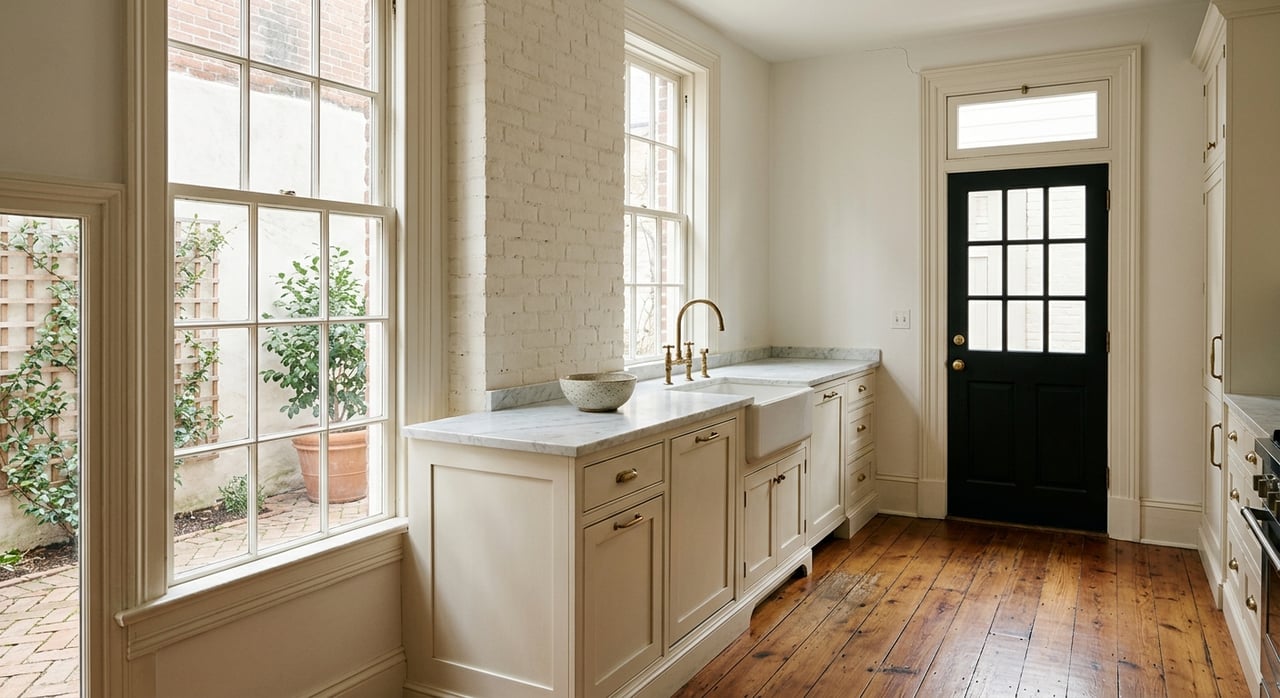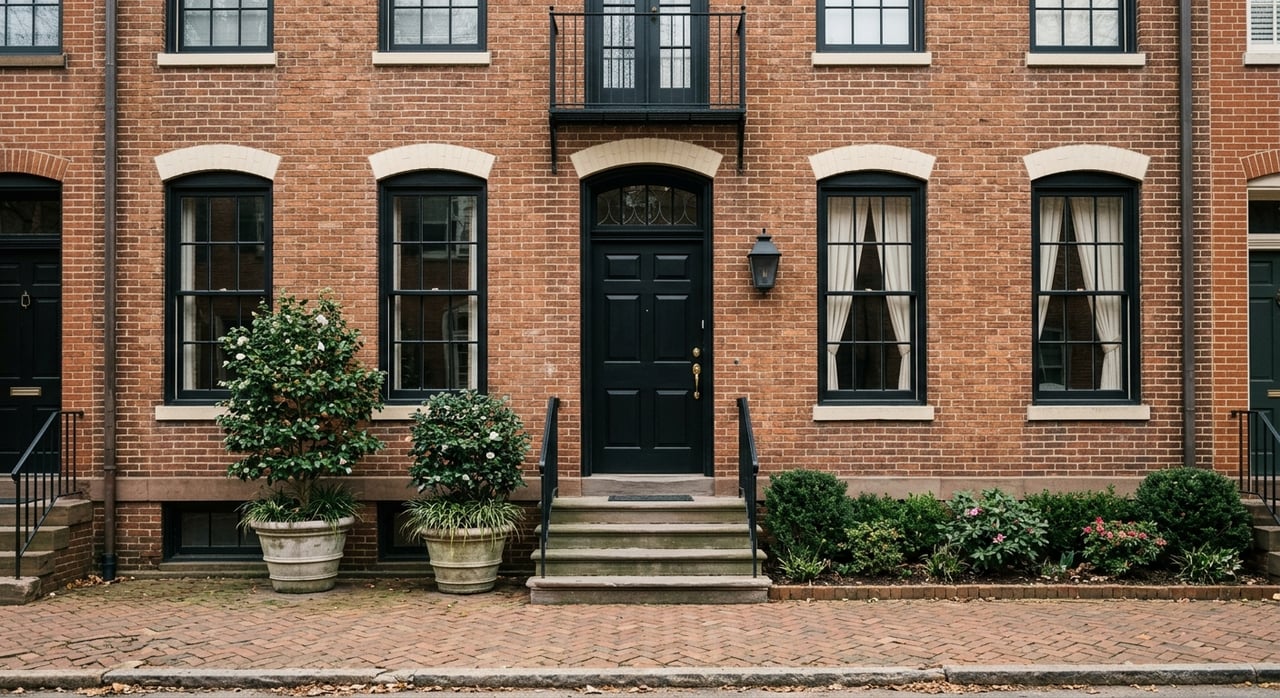
On February 11, 2026, the Savannah Historic District Board of Review sat down at the Arthur A. Mendonsa Hearing Room on East State Street and denied a request. The address was 318 East Huntingdon Street. The work had already been done. The board's finding was blunt: the installed materials did not comply with the Downtown Historic District Design Standards. Whoever owned that property now had a choice between undoing finished work or asking the board to reconsider, on the board's calendar, not their own.
That case is not an outlier. It is what happens when someone treats "historic district" as a label instead of a process. If you are buying, selling, or renovating inside Downtown Savannah's historic overlay, the label is the least useful part of the story. What actually governs your timeline is which specific board reviews your project, and that answer depends on exactly where your address sits.
One Phrase, Two Different Boards
Savannah's National Historic Landmark District was designated by the Secretary of the Interior in 1966, one of the oldest and most prominent landmark designations in the country. That federal recognition tells you the area matters historically. It does not tell you who signs off on your new fence.
Local review authority is what controls renovation, and Savannah splits that authority between two separate boards depending on the overlay:
| Overlay or District | Review Authority |
|---|---|
| Savannah Downtown Historic Overlay District | Historic District Board of Review (HDBR) |
| Victorian Historic Overlay District | Historic Preservation Commission (HPC) |
| Cuyler-Brownville Historic Overlay District | HPC |
| Streetcar Historic Overlay District | HPC |
| Ardsley Park-Chatham Crescent Conservation Overlay | HPC |
| Ardmore Conservation Overlay District | HPC |
| Daffin Park and Parkside Neighborhood Conservation District | HPC |
| Carver Village Conservation District | HPC |
The city's own board description is explicit that the Historic Preservation Commission does not have review authority over the Savannah Downtown Historic Overlay District. That single sentence is where a lot of renovation timelines go sideways. A buyer's agent who assumes every "historic" address in Savannah runs through the same board is giving advice that is wrong for roughly half the properties they might show.
The Clock That Actually Runs the Timeline
Inside the Downtown Historic Overlay, the HDBR has been the review body since 1973, when the city created it to protect the Landmark Historic District. It is a nine-member board appointed by the Mayor and Aldermen, staffed by the Chatham County-Savannah Metropolitan Planning Commission, and it meets the second Wednesday of every month at 1 p.m. at 112 East State Street.
That monthly cadence is the part most renovation-contingent offers do not account for. Under the city's Certificate of Appropriateness framework, projects fall into three practical tiers: work that needs no historic approval, work handled through staff-level review, and work that requires a full board hearing. Staff-level review has historically moved in roughly ten business days once a complete application is in hand, per MPC's published review guidance. Board review does not work that way. It gets docketed onto the next available monthly agenda, and if your application arrives after the cutoff for that month, you are waiting for the one after.
Before a project can even reach board review, city ordinance requires the applicant to sit through a pre-application conference with MPC staff. That step exists to catch problems before they reach the board, but it also adds a meeting to a calendar that a buyer under contract may not have built any slack into.
Put those two facts together and the practical math looks like this: a straightforward paint color change might clear staff review in under two weeks. A new fence, an addition, or a rebuilt porch that needs full board approval could realistically take six to eight weeks once you count the pre-application conference, the monthly meeting cycle, and the chance of a continuance. A buyer who wrote a 30-day renovation contingency assuming one process just wrote a contingency that does not match either process.
What "Visually Compatible" Looks Like in Practice
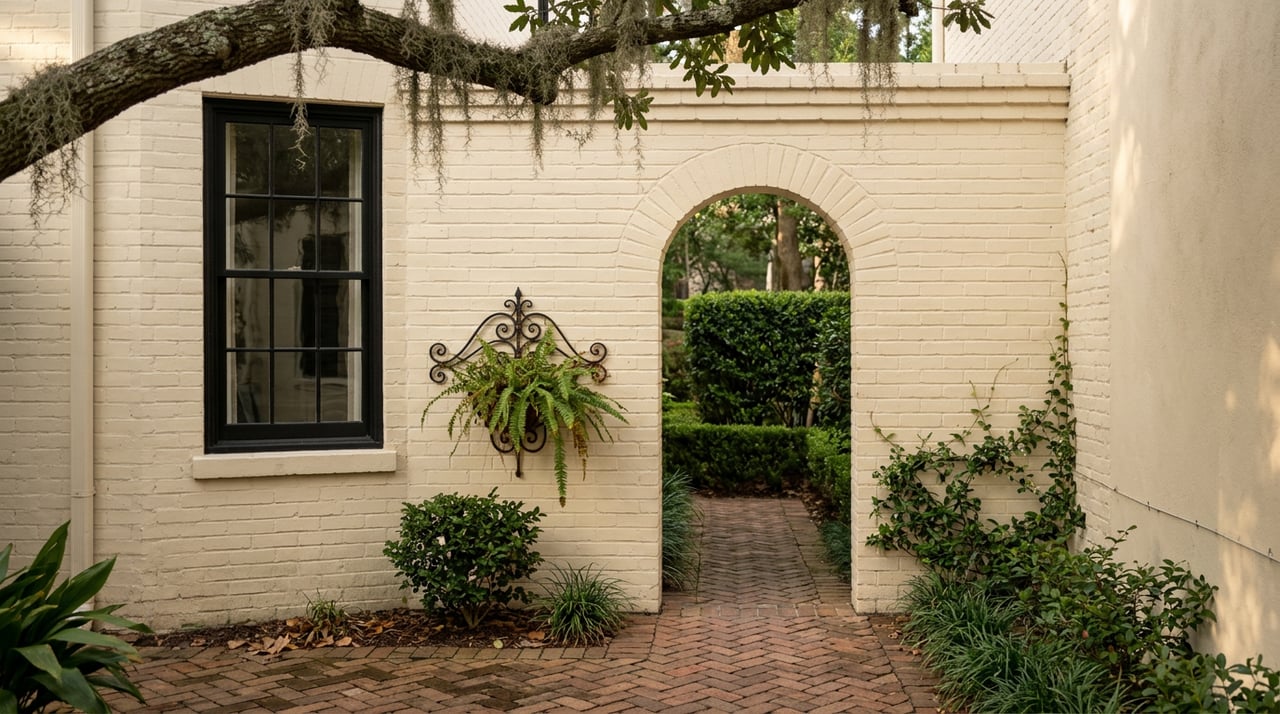
The standard the board applies is whether proposed work is visually compatible with the district. That phrase sounds subjective until you look at how it plays out in actual votes. At the same February 2026 meeting that denied the Huntingdon Street after-the-fact request, the board approved two other petitions the same day. Work at 314-322 West Hall Street was approved with one condition attached: the rear fence had to be painted or stained once it dried, with staff signing off on the final result. A separate petition for exterior alteration work at 234 Martin Luther King Jr. Boulevard was approved exactly as requested, with the board finding it visually compatible and consistent with the standards.
Three petitions, three outcomes, all decided in the same room on the same afternoon. That range is the real lesson. Compliance is not about whether a material looks historic to the owner. It is about whether it matches the design standards the board is applying that day, and the board can approve with conditions just as easily as it can approve outright or deny.
The After-the-Fact Penalty
The Huntingdon Street case matters for a second reason: it shows what happens when the work happens before the paperwork. Savannah's after-the-fact Certificate of Appropriateness process follows the same review path as a normal application, with one difference that changes the incentives entirely. The filing fee for an after-the-fact request is double the standard fee. That is the city's way of making sure "ask forgiveness" is never the cheaper option.
For a buyer, this shows up as a due diligence question that rarely makes it onto a standard inspection checklist. If a seller replaced windows, added a fence, or repointed brick without a COA, that work may be sitting outside the record entirely, and it becomes the new owner's problem to resolve if the city or a future buyer's inspection flags it. Asking whether any exterior work on the property went through board or staff review, and requesting copies of any COAs on file, belongs in the same conversation as asking about permits.
This Isn't Hypothetical Right Now
Downtown Savannah's preservation debates are not abstract. Earlier this summer, a proposal for a new Queensborough Bank branch at the northeast corner of East Broughton Street and Habersham Street went before the HDBR, with the Oglethorpe Plan Coalition, a local preservation group, tracking the petition toward the board's June 10, 2026 meeting at the Mendonsa Hearing Room. That is a reminder that new construction and larger commercial projects in the overlay draw the same board scrutiny as a homeowner's fence, just with more public attention attached.
If you are buying near a corner where infill or redevelopment is being discussed, it is worth knowing that the same board and the same monthly calendar that reviews your renovation is also the body deciding what gets built next door.
What This Means If You're Under Contract
The market itself is not waiting for any of this to get sorted out. In the most recent 30-day window of Georgia MLS activity reflected in listings across Savannah's historic district neighborhoods, homes have been averaging around 71 days on market and drawing roughly two offers, at a median list price near $375,000. Countywide, Chatham County single-family homes carried a median sales price of $360,000 in March 2026 with roughly 86 days on market and just under five months of inventory, while townhomes and condos, common property types inside the historic overlay, sat closer to 7.8 months of inventory at a median of $269,900. None of that is a fast market. It is a market with enough breathing room to plan around a board calendar, if you plan for it early.
A few steps make that easier:
- Confirm the exact overlay before you write an offer. Downtown Historic Overlay and the other local districts are reviewed by different boards with different forms.
- Ask whether any exterior work on the property has open or unresolved COA history, including anything that might fall under the after-the-fact process.
- If your offer includes a renovation contingency, build the timeline around the monthly board cycle rather than a general estimate, and account for the required pre-application conference if your project will need full board review.
- For staff-level projects like paint color or in-kind repairs, confirm with MPC staff directly whether your specific scope qualifies before assuming a faster path.
FAQ
Does interior work require a Certificate of Appropriateness? Generally no. The COA requirement applies to exterior changes visible from a public right-of-way. Interior renovations are typically outside its scope, though a project can still need a standard city building permit.
Is a COA the same thing as a building permit? No. A COA addresses whether exterior work is appropriate for the historic district. A building permit addresses code compliance. Some projects need both, and getting one does not automatically satisfy the other.
If a house is in the National Historic Landmark District, does that mean the HDBR reviews it? Not necessarily. The federal Landmark designation and the local Downtown Historic Overlay boundary are related but distinct. Local review authority depends on which local overlay applies, which is why confirming the specific overlay matters more than the federal label.
What happens if work was done without a COA before I bought the property? The city can require an after-the-fact application, which follows the same review steps as a standard COA but carries a doubled filing fee. Depending on the board's finding, the new owner may need to modify or remove work that does not meet the design standards.
Buying or selling inside Downtown Savannah's historic overlay rewards patience with the process as much as it rewards good taste in materials. If you are weighing a purchase here, or trying to time a renovation around a closing date, McIntosh Realty Team can help you map the timeline before you are locked into one that does not fit the calendar. Contact us.